Falling Flat or Finishing Strong

0b191-istock_000024086772large

Ever feel like this guy when you’re trying to work out the ending to your book? 

I agonize over the endings of my books, series endings especially. I’ve mentioned this before, but instead of just whining about it, I thought I’d share some insights I’ve learned and some tips from other authors.

Tips From Other Authors

KM Weiland offered up some great tips on her YouTube video. You can watch the full video for her whole discussion, but here are the highlights.

1. Wait until the resolution to tie up any loose ends. In other words, don’t interrupt the action to talk about Carlos’s shoe size or Betty’s grade on her science paper. Rope 2

2. Tie up loose ends BEFORE the climax. If you really need to let everyone know whether or not Skippy found his lost shoe, spit it out before Joe and Susie head off to fight the zombie horde.

3. Make the unfinished business exciting enough to be included in the climax. If Clara’s long lost aunt is going to drop back into the picture, she better have something to do with the solving the mystery or winning the fight or it’ll just be a distraction that pulls readers out of  the story.

Brian Klems offered up some great writing tips in his Writer’s Digest article, but here’s what relates to finishing a book:

1. The hero should be the catalyst. No one wants to invest time and energy in a character only to see someone else step in at Sexy young soldierthe end of the MC’s story and save the day. What was the point of that character going through everything they did if they don’t do anything in the end?

2. The hero should grow internally. What does this means? Basically, the problems the hero faced or struggled with in the beginning need to be resolved in the end and be part of the reason he’s able to triumph at the climax. If you’re dealing with a series, maybe the growth is incomplete, but there should be growth all the same.

3. A new and better hero should emerge. The MC needs to have earned the right to be called a hero by the end of the story. If they don’t demonstrate that they can do something the others characters can’t (and we’re not just talking supernatural abilities), why is he or she able to save the day over any other Joe-schmoe in the book?

What I’ve Learned

The ending can make or break a book. I’ve been disappointed too many times for it not to effect the way I write. I’m slightly obsessed with making sure my books don’t peter out in the last few chapters because, as a reader, I hate that! Here are a few of my own tips to avoid writing that ending that makes your readers cringe.

1. Complete your character arc. What was it in the beginning of the book that your character struggled with the most, that defined who he or she was and why they felt like they couldn’t meet their goals? Have you resolved it by the end of the book? I’m not talking situational problems. This needs to be deeper emotional wounds that have held your character back. Have they overcome some part of what’s been holding them back? If not, take note of what those wounds are and how they need to be fixed in your final chapters. Questions

2. Answer the freaking question! Okay, this makes me think of “Lost” and how confused and irritated I was when they wrapped up the sixth season and 90% of the hints and mysteries were completely abandoned. If you bring up a challenge, hint, clue, noticeable item, etc. and then never mention it again, readers are going to be left saying, “What about…?” And that’s annoying. Either get rid of those plot points that never panned out, or make sure they’re followed up on.

3. Redemption and justice are musts. Unless you want to end things ambiguously on purpose, take a look at the major players in your book and make some tough decisions about what they really deserve. Does your bad guy need to die, or will he find redemption? Is your MC going to save the day or meet with spectacular failure because of his less than stellar choices? If your readers don’t feel like everyone got what they deserved, even if it wasn’t the ending they saw coming or wanted, the ending will feel incomplete and leave them at odds when they set the book down.

Crafting the perfect ending can make you want to tear your hair out. Maybe it will never be perfect, but hopefully some of these tips will help you write a complete ending that will hold readers’ attention and leave them feeling satisfied and ready to go grab the next book!

Connect with me online:

Facebook: AuthorDelShereeGladden

Twitter: @DelSheree

Pintrest: DelSheree

Google+: DelSheree Gladden

Holiday Writing…or Not Writing: Choosing a Genre

2014-12-08 09.13.19With the holidays approaching, I’ve been seeing loads of posts and promos for Christmas books. I was even a part of one promo for #ChickLit4Xmas, which was lots of fun. I’ve never been particularly into reading Christmas themed stories. I have nothing against them. I’ve simply never been drawn to them.

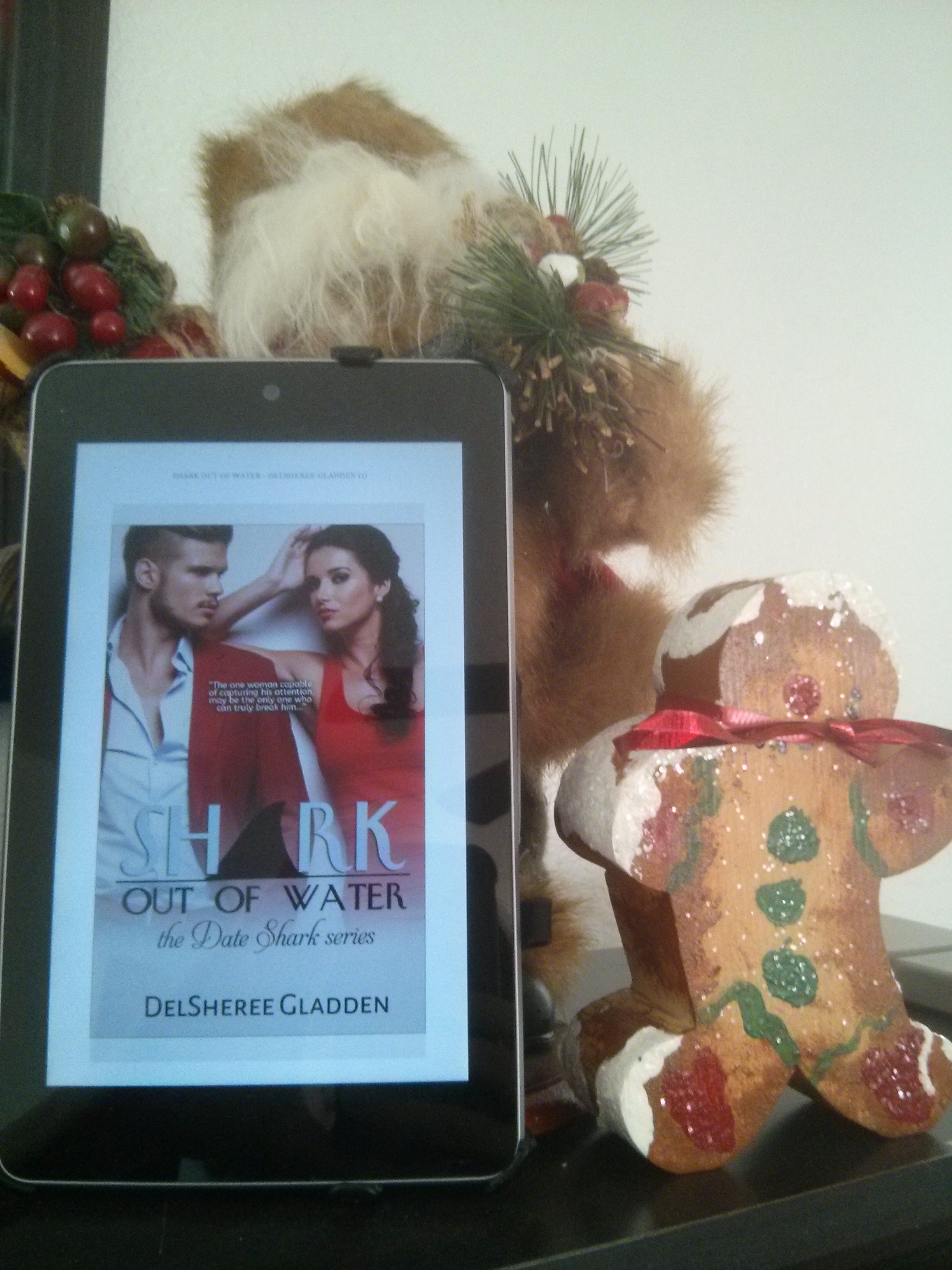
As I’ve been seeing all the holiday books being promoted, I realized I’ve never even written a single Christmas scene is any of my books. At least I don’t think so. It’s been a while since I’ve reread some of my early books. I’m pretty sure all I have are some birthday parties and a brief mention of Christmas in Shark Out Of Water.

One might start to think I have an aversion to writing holiday scenes. It’s kind of funny actually. I really don’t know why I haven’t written a holiday scene before, but it got me thinking. How do writers choose what genre they’re going to write? Obviously, I can’t speak for all authors, and I didn’t think about this early enough to take a poll, but here’s why I write what I write along with a few tips on how to choose your genre.

I write in several genres and subgenres ranging from YA paranormal/sci-fi/dystopian/urban fantasy, to straight up romance, to new adult (a rather new venture), to some unpublished projects that are just plain YA drama no otherworldly twists and turns at all. So what genre for what story?

Basically, the way I decide how to choose a genre depends on three things.

1: What is the main conflict of the story?

Is it personal or situational? Personal implies a lot more internal struggles while situational may be more event-driven. Figuring out what you want the driving force behind the conflict to be can be a challenge, but this question helps you narrow down whether you’re going to be thinking along the lines of faster paced/question driven writing or deeper emotional trials that won’t need bam-bam-bam events to pull the reader through the story.

2. What type of stumbling blocks will your characters face? 

This question in particular helps me chose the age range of my characters. With YA, parents are an issue, as are friends (more so than in other genres usually), limits on what they can and can’t do, firsts (big decisions, relationships, sex, drugs, alcohol, etc.), and self-discovery.

2014-12-08 09.22.48With New Adult, some of the YA issues still apply, but you add in facing the grownup world with jobs, bills, being on their own, dealing with consequences without parental backup, failure, and so much more. There’s more freedom for the characters in some ways, but a new set of responsibilities can limit them as well.

With fiction for adults, you’re facing day-to-day life with work and family, dealing with past mistakes, reality of the life they’ve chosen/ended up with, wanting more or something different, having to grow up and actually be an adult, serious relationship issues, etc. Asking yourself these question can help point you in the right direction for ages of your characters, which will help you narrow down your genre choices.

3. To paranormal or not to paranormal? 

Maybe this isn’t a question every writer asks, but I do. So far, all of my published YA books have some sort of paranormal/sci-fi/urban fantasy element, but I have other projects, finished and unfinished, that just didn’t work as anything but straight drama. Why? Because the source of their main problems are real problems, not imaginary ones. My adult romance series, Date Shark Series, doesn’t have a single ghost, demon, curse, or magic power anywhere. I wanted to focus on actual relationship problems we’ve all faced at one point or another and I didn’t need anything outside reality to do that.

Figuring out the driving force behind your conflict will help you decide whether or not your story needs something paranormal.

So, these are the questions I ask myself when I start a new project. Sometimes I already have these worked out when the idea hits me, but sometimes I don’t. If you’re uncertain about what direction to take your story, try asking yourself these questions. If you have questions you ask yourself to help you decide, I’d love to hear them! 

Connect with me online:

Facebook: AuthorDelShereeGladden

Twitter: @DelSheree

Pintrest: DelSheree

Google+: DelSheree Gladden

#TensList: 10 Ways To Avoid Writing

Sometimes, writing feels like you’ve turned into a dog with a bone. You can’t stop. You’re obessesed. Other times…you’ll do just about anything to avoid it for one reason or another.

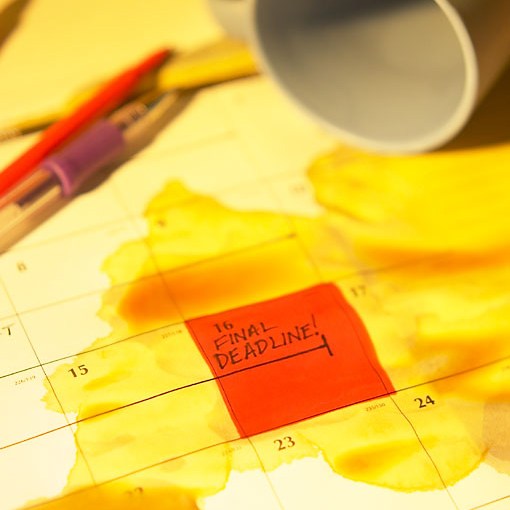
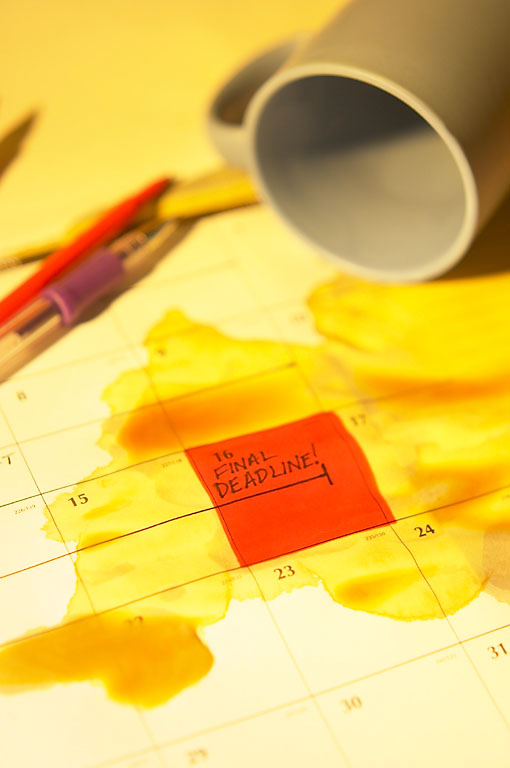
Why? for me, it’s usually finishing a series or facing a deadline that makes me want to hide from my computer. So, what can you do to avoid writing when you need a break?

#1

Watch Supernatural. Seriously, Sam and Dean (mostly Dean) can take you’re mind off anything.

#2

Read a book. When I’m really burnt out on writing, I pick up someone else’s book and let them do all the work for a while. If it’s good, I’ll want to write because I’ve been inspired. If it sucks, I’ll still want to write because I’ll want to prove there’s something better out there.

#3

Do some yard work. Seriously, you’ll be too tired to think or write when you fnally sit back down.

#4

Bake. Cookies, brownies, cake…do you really need a reason to make yummy snacks anyway? You can always share with your fellow writing buddies in an inspiration session if you want.

#5

Draw. Okay, maybe this isn’t for everyone, but use it as therapy to vent your writing frustration. Sketch out an action scene with stick figures. Make your character look ridiculous in payment for driving you crazy. Trust me, it’s fun 🙂

#6

Take some pictures. Whether you’re the master of Instagram, only take pictures on your phone, or are sporting a Nikon D-200, take your creativity out of the office and get out and find something that will inspire you to get back to writing.

#7

Break out the sticky notes! Organize your to-do lists, events, thoughts, whatever needs organizing. Forcing your thoughts to stay focused will shut out all those nagging “you should be writing” whispers.

#8

Play video games. Hours gone. No writing done. You’re welcome 🙂

#9

Be social. I’m not talking social media, either. Go have lunch with a friend. Get away from the computer and talk to some real people for a while. You’ll be amazed how much it will help with writing drudgery.

#10

If you’re really desperate to avoid writing, work on marketing. This will suck up lots of time, but it will be useful! Read some articles, work on your marketing plan.

Get out of your own head for a while and give your characters a break. They need it as much as you do.

#TensList: Top Ten Reasons Writers are Crazy

If you know any writers (which you must if you’re here), you probably already know that they are usually a bit strange. Well, here’s just a few of the reasons why…

#1. 

When you’re standing in line at the check out counter or sitting in a restaurant and someone inevitably makes a scene because the line doesn’t move or your waiter has disappeared, most people look away and pretend nothing’s happening. 
Not writers. We may not outright stare, but we’re listening closely and catching all the glorious details out of the corner of our eye. Why? Because we love to make our characters lose it. Sometimes over completely silly things like bad food or poor service. Sometimes at the end of a long line of

tragedies. Most writers, however, tend to be introverts, and don’t make a lot of big scenes, so we need inspiration for turning our characters into raving lunatics. Just keep that in mind next time you want to lose your cool in public. There are a lot of writers out there. 😉

#2. 

Ever been stuck in a conversation where the other person just won’t stop talking about the most random things? Most people politely listen trying to come up with a polite excuse to escape. What do writers do? Pull out a pen and start taking notes! We love random facts, fun tidbits of knowledge, and bizarre happenings. Why? Because you never know when a story might call for knowledge that there’s a guy who’s job it is to roam the world weighing a garden gnome to test the effects of gravity at different heights. 

#3. 

People watching is a lost art for most people. It used to be an actual thing back in the day. Now, it’s a trick just to get people to put their phones away long enough to walk from their car to the front door. Writers may be some of the few groups left who still love to people watch. Not that we go around staring at people all day… well, not usually. Why do we watch people, though? It’s not just to see how they talk and interact with people so we can write more realistic characters and scenes. We might be looking for our next over model too! Be sure to pick your outfits for the day with that in mind. 

#4. 

Conversation skills are important, but writers aren’t always the best at this particular talent. We may write great dialog, but we’re also highly distractible when immersed in a project, and half our conversations with real people end up starting with things like… “I need you to read something for me.” or “How hard do you think it is to drag a body in high heels?” or “Which of these sentences sounds better…” 

#5. 

Speaking of conversations… at least half, probably more, of our conversations take places with people who don’t exist. It’s not just working out dialog, either. True, I’ll repeat pieces of dialog out loud, acting out the voices and intonations to see if I’m getting the right effect, but many writers take it beyond that as well. You get to the point where you find yourself consulting your characters, asking things like, “Would you really do that?” or “How could you do something so awful?” If we zone out while talking to you, don’t take it personally. We probably had at least two other conversations going in our head at the same time and forgot which one was taking place in the real world for a second there. 

#6. 

Writers tend to be contradictory by nature. We have this dual concept of ourselves that on one hand we are creative geniuses to some degree, and on the other hand have this crippling fear that we are utter failures. It’s boggling, even for us, but a tough one to shake. Please forgive us when we jump around like crazy to celebrate a great idea or contract, then have to be drug out from behind out desks to face actually letting someone read our work.

#7. 

Writers may be the only group of people who are selective perfectionists. Our houses may not get cleaned the week we’re trying to finish those last blasted five chapters, appointments may be missed, and we may have forgotten to shower once or twice that week, but by golly… every freakin’ word in our manuscript will be absolutely perfect! That will likely be the only thing that’s perfect, and even that’s a big delusion, but we’ll certainly work at it until our fingers go numb. 

#8. 

There’s something to be said for becoming an expert on something. It takes a lot of hard work to learn that much about a certain topic. Experts are a writers’ best friend, but most writers are not experts on anything, even writing. Sure, there are some writers who become experts on a specific topic while writing a particular piece, but most writers can really only claim to be semi-experts on about a hundred different topics. Why? Book research. We’ll research anything under sun, but only enough to make what we’re writing believable. We have to get back to writing, after all.

#9. 

We all know that friend who constantly asks you for advice but doesn’t listen to a single word you say, right? Sorry, but a lot of writers are that friend when it comes to writing. We constantly ask people’s advice about words, phrases, ideas, and concepts. We take in all the comments and suggestions, and then we do whatever the heck we want, which is often exactly what we planned on doing in the first place. It’s not that we don’t value what other people say. Most of the time, we already knew what we wanted to do, but just needed to talk through it from twelve different sides before we’re sure. It’s nothing personal. 

#10.

There are times when writers really HATE writing. It’s can make us miserable at times, but we still love it. Why? For many writers, it’s simply part of who we are. Writing is like an appendage. Even if it hurts or refuses to work properly, we can no more ditch it than we could an arm. Bear with us when we rant about characters and plot holes and endings that fall flat. We may want to quit at times, but we never will because writing is a part of us. 

What are you passionate about that makes you a little crazy?

#Perfectionism and #Writing…

I think a lot of writers will agree that making sure their books are “perfect” is a bit of an obsession. 

We obsess over every word, line, paragraph, chapter… you get the point. We’ll research something until our fingers are about to fall off from too many internet searches. Our friends will be sick of hearing about a particular troublesome scene and threaten to throw a book at us if we ask them to read it one more time. 

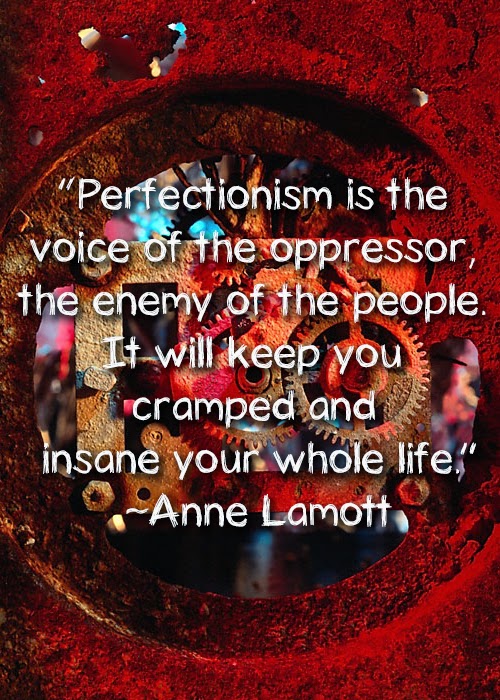
Having said all of that, I completely agree with Anne Lamott when she said… 

“Perfectionism is the voice of the oppressor, the enemy of the people. It will keep you cramped and insane your whole life.”

All that obsessing over how we write our books or scenes can really kill a story. When you over think while writing, you second-guess your decisions, which leads to endlessly rewriting particular scenes, changing whole passages to try it another way, or scrapping the whole project. 
Now, yes, sometimes these things have to be done, but not every time you sit down to write. If this is your process, it’ll be awfully hard to ever finish a book or story. Every writer has to develop their own process, but here are a few tips I’ve picked up over the years. 
Tip #1: Whether you like to outline or not, don’t limit yourself to sticking to your outline or notes verbatim. If you feel like the story needs to take a left instead of a right, or a U-turn in a whole new direction, go with it. Let your plot develop organically and don’t feel like you have to go back to an outline and re-outline after every change. Just write. 
Tip #2: Don’t edit while you write. You’ll kill your progress if you go back and edit what you’ve just written. Give yourself some time to let that chapter or scene sit and solidify. Even if you have to reread a chapter or two when you come back so you know where you left off, DON’T EDIT, aside from maybe a few typos. Even when you finish the entire book, don’t jump right into editing. Work on something else. Give it at least a week (longer if you can) and come back to it when you have fresh eyes. 
Tip #3: Sending your work out to beta readers (readers who read an early draft in order to give you feedback and suggestions) can be anxiety laden. It always is. Waiting to send it out until your book is perfectly edited and all the holes are filled in just isn’t reasonable. Find beta readers you trust to be honest, let them know it’s not a perfect story and you need helpful critiques, and hit the send button. There are always problems with a manuscript that you as the author won’t be able to see. Waiting until it’s perfect just prolongs the inevitable and often leaves you with more revisions to make than you would have had otherwise. 
Tip #4: Give yourself permission to make mistakes. Don’t want to put a scene on hold to do a little research? Not sure if what you’re writing is possible, but the scene is just begging to be written? Great! Keep writing! You can always go back and correct mistakes. In fact, you usually learn a lot from making those mistakes, and then you don’t make them as often in the future. It’s tough to get into a writing groove sometimes, and if you’re in one, let yourself just get your ideas down on paper and worry about refining later on. 
Tip #5: Accept the fact that your book will never be perfect. That’s just how it is. There will always be something you think could have been better, or should have been changed. Reviews will make you doubt scenes or chapters or endings. It will never, ever be completely perfect…and that’s okay. 

What perfectionist habits keep you from getting things done? 

A different way to look at #Quantity and #Quality

The debate between quantity and quality usually has to do with producing more books by sacrificing quality. Here’s a different way to look at these two important Qs. 

In the words of Ray Bradbury, “Quantity produces quality. If you only write a few things, you’re doomed.” 

While I’ve only been publishing books since 2010, I’ve been writing since I was a teenager. The first full length book I wrote was absolutely terrible. It will never see the light of day. The short stories I attempted to write when I first started out have suffered a similar fate. I had notebooks and notebooks full of scribbled down story ideas that were only ever half developed. Yes, I started writing before the day when everyone had laptops and tablets. Everything I wrote in my teenage years died a slow death… except for one. 
Escaping Fate was the first book I published, but it was actually written when I was sixteen. And then rewritten. And then rewritten again. It took me ten years from first, lousy draft to having something capable of entertaining a reader. 
While I was rewriting Escaping Fate half a dozen times, I was working on other projects, improving my skills. One of those other projects was a mystery novel, which I seriously doubt will ever make it past my computer screen. Soft boiled mysteries are clearly not my genre. I don’t know what possessed me to write a mystery novel. There were various other random things I wrote during that time. None of it amounted to anything, but it was great practice for me. Trying different lengths and genres helped me figure out what I really wanted to write… what I was actually good at writing. 
Even once I started publishing books, nothing changed. I have 13 published books right now. Guess how many I’ve written over the past fifteen years. About double that. Some of them are still works in progress that need fleshing out or more researching or a total revamp. Others, completely fizzled out and will never be touched again. 
Every book I’ve written, every book I’ve half-written, every book I’ve finished and then promptly trashed… they were all part of what Ray Bradbury is talking about. Quality and quantity isn’t always about pumping out books by sacrificing quality. It’s about writing good stuff and crappy stuff and mediocre stuff. It’s about writing until you’ve honed your skills enough that you write more good stuff than lousy stuff. I don’t think you ever get to the point where you only write good stuff, but that’s okay, because it keeps you from getting lazy. 

So when you think about the Quality and Quantity, think about how you need one to have the other. 

#TensList: Ten Things I Hate

Since last week I shared ten things I love, I figured I might as well follow that up with ten things I do NOT love. So, here we go!

#1: Fixing my hair

In all fairness, I finally found a stylist who knows how to cut curly hair and does a great job, so now it’s easier to get my hair to behave, but curls can be a pain in the butt. The second your cut gets too long, your curls start sticking out all crazy and all your good hair styles are useless. I really do like having curly hair now, even though I hated it when I was little, but it takes maintenance. 

#2: Shoes

I don’t hate all shoes. I do run around barefoot a lot, however. The reason shoes make it onto my list are because I can never find ones that aren’t horribly uncomfortable. Tennis shoes never have enough arch support, and trying to squish a support cushion into tennis shoes that already feel too tight is just the worst. Don’t even get me started on dress shoes. If I could, I’d go shoeless everywhere. 

#3: Writing with pencils

I can’t stand how the lead dust gets all over the sides of my hands if I accidentally touch it. It also annoys me that pencils don’t stay sharp. I don’t like writing with dull points. I’ll stick to pens, thank you very much. 

#4: Sand

Okay, I don’t hate sand on principle, it’s great when it stays outside where it belongs, but it’s not fun when it gets in your house. Living in the desert, we’ve got more sand than we know what to do with. It’s impossible to keep it from getting in your shoes, and even more impossible for your kids not to dump it all over the floor when they take their shoes off. And FYI, growing anything is sand is a hopeless cause. 

#5: Ants

Like with sand, ants are great when they’re outside doing their thing. How do they find ways into the house though? I swear, my kids drop one chocolate chip or piece of cereal on the floor and there’s a bazillion of them all milling about trying to get a piece. Where do they come from???

#6: Whistling

This may be due to the fact that both my kids love to whistle, but they don’t really know how to whistle a tune. It’s just nonstop, tuneless, annoying whistling all day long. Seriously, it will drive you up the wall. Our house has now been dubbed a whistle free zone. 

#7: Driving through our local Sam’s Club parking lot

If you don’t live in Farmington, you can’t sympathize, but honestly, this is the worst designed parking lot on the planet. I almost get hit by someone coming out of the gas station like it’s about to blow up, or zipping across the main exit to get the the gas station EVERY TIME I drive through there. It’s like playing Frogger, trying to making it through the cars that just power through without looking. 

#8: Spiders

That’s probably not shocking, but I had to add it. We were starting to put together one of those wooden fort/swing sets for my kids, and inside one of the boxes was the nastiest spider I’ve ever seen. It was brown and fuzzy and at least as big as a quarter. It looked like a baby tarantula, though I didn’t get close enough to double check. Thankfully, my brother-in-law squashed it. It was big enough that it left a little puddle of blood. Eew!!!

#9: Deciding what to make for dinner

Seriously, I don’t know why this is so difficult. I literally dread it all day. I enjoy cooking and baking. I’m not the best chef in the world, but it’s fun to get in the kitchen and make a mess and hopefully a good meal. Coming up with the idea is just the worst, though. I don’t like eating the same thing more than once a week, and sometimes even that is too often, so I’m always struggling to come up with new ideas. My kids would literally be happy with pot pies every night, though, so this is really a self-created problem. 

#10: Sandwiches

I don’t know what it is about sandwiches, but they just make me want to gag. I’m not talking Subway or some yummy roast beef on a kaiser roll or hunk of ciabatta. Those I’m good with. It’s just the regular, plain Jane slice of lunch meat with cheese (American is the worst) between two squashy pieces of bread. Ugh. It sticks to the roof of your mouth and the mayo makes the bread soggy and it never quite fills you up. I’ll have a salad, thanks. 

So, that’s my whining for the day, and now it’s your turn! What things can you absolutely not stand? 

There is a point…

There is a point in most writer’s career when they realize… they don’t crave that external validation like they once did. 

No, it doesn’t come when you hit the NYT Best Seller list. I mean, maybe it does. I haven’t gotten there yet, but I’m sure it’s an awesome feeling either way. Regardless, it doesn’t have to take accomplishing a milestone like that to have it hit you. 
When most writers start out, I think we all have that same feeling of nearly crippling insecurity. It sounds something like this …
Is my writing good enough? Will anyone want to read it? Will my friends laugh at me if I tell them I’m writing a book? Am I totally crazy for thinking I can write more than my name? 
Then, as you get more serious about writing, it changes to …
Can I get this published? Would an agent even be willing to entertain the idea of signing my ramblings? Why would anyone ever read one of my books when there are writers like Janet Evanovich out there cracking people up on a regularly basis? 

Then as you start submitting to agents and publishers and the rejection letters begin to pile up and your manuscript is gathering dust, that’s when the panic begins to set in. It sounds something like this …
WHEN will I get published? How do I make agents take me seriously? Why won’t someone look at my book? What is wrong with my writing? Why don’t people like my stories? Why don’t people like me? 

Seriously, you start to feel like every rejection of your book is a rejection of you. You think you must be doing something wrong, but you have no clue what it is. We lose a few fellow writers at this point, but in general we’re a persistent bunch, and we keep trying. We think everything will turn up rainbows and lollipops when we finally land our first contract. Then it HAPPENS …and then we start to sound like this … 
Why isn’t my book selling better? Why isn’t my publisher doing more? Who designed that awful cover? Is there an editor alive who actually knows how to edit for real? When will I finally get paid? Marketing sucks! This is way harder than I thought it would be. Noooo! I got a bad review!!! Why doesn’t everyone adore my book? 

Writers spend years riding the roller coaster that is the world of writing and publishing. We go from emotional basket cases to deliriously over the moon to spitting mad at everyone involved in producing a book. 

And then that moment finally hits you … 

There is a point when all of the frustration and agony you have been through suddenly doesn’t matter anymore, because you realize you aren’t crazy for wanting to be an author, and it doesn’t matter if a few people don’t like your writing (readers, agents, and publishers included), and you don’t need that constant external validation from other people to understand that you know what you’re doing. 
You’ve been at this long enough to know that you’re a good writer. Whether an agent thinks your topic is derivative, or a publisher says they already have enough of what you just spent the last year pouring yourself into, or a reader thinks you’re just writing Twilight knockoffs, you know that your stories have merit and will have an impact on the people who read it, and suddenly, that’s all you need to know. 
Getting praise and great reviews is still fabulous, but being able do what you love is just as rewarding. If a publisher doesn’t want your book, that’s okay, because you have other options. You don’t need them to tell you your book is good. You already know that. 

Everything else is just a bonus. 

How did I become a brand?

In my quest to learn more about marketing, the topic of author branding has come up quite a bit. 

What is that? Well, I’m still working that out myself, but the basic answer is… it’s not marketing a “book,” it’s marketing the author. You want to be the “go to” person readers think of when they consider books in your genre.


For example, who comes to mind right off the bat when you think of YA Fantasy? 
JK Rowling would be my answer. And what do I think of when I consider what the name JK Rowling means? It’s not just Harry Potter and Hogwarts. It’s the fact that she is the creator of a fantasy world an entire generation knows, and half believe exists. She is THE YA fantasy icon of the past several decade because her books made an impact on people with their creativity and uniqueness. Everyone knows her name and what she writes and they have an emotional connection to the “idea” of JK Rowling. That’s the concept of author branding. 

So, how do you achieve author branding without becoming a super star like Rowling? First step first. Figure out who you are, or who you want to be to your readers. 

Who am I? That’s a whole discussion in itself, but let’s get the basics down before delving into childhood scars and dramatic backstories. 

I am crafty. 

Not in the tricksy and deceptive sense, but literally crafty. I love to sew and draw and paint and make ribbon bookmarks and design and be creative. 
How does this apply to branding?

I do a lot of my own cover art, promo pics, blog and website design. I have an eye for detail and I try to put that to use by making my appearance online consistent. I also love to share my hobbies with my readers. It’s a fun way for me to get them engaged in the behind the scenes work that goes into publishing. I’m also always willing to help other authors when they need graphic work done, bookmarks designed, or what have you. 

Consistency is important in branding. If this sort of thing isn’t your strongest area, find someone to help you decide on fonts, colors, layout, and tone for your online presence that will help give readers a sense of who you are. Are you fun and silly or dark and serious? Personally, I use a lot of pinks and fun fonts. I use pictures of me smiling and try to keep my bio light and personal. I want to be approachable, but that may not be the persona that’s right for a different author. I also put a lot of creativity into my book concepts, and I love sharing that with readers. 

I am girly and romantic. 

I think I might have mentioned my love of pinks a moment ago 🙂 I love bright colors. My favorite is actually orange, not pink, but orange can be a bit overbearing if used too much. I also love flowers and upbeat music, though I have a decent collection of darker songs that come in handy when writing certain books. I adore a good romance. If a book doesn’t make an emotional connection with me as a reader, I consider it to have something missing. 
How does this apply to branding?

I want readers to know what to expect when they pick up a books even if they haven’t read the summary on the back. Am I going to write about grisly murders and explicit sex and use a bazillion swear words while I do it? No. Of course, my Someone Wicked series is considerably darker than most of my other work, but I do give ample warning of that. The majority of my books, though they contain serious topics at times, are fun and light and filled with emotion and adventure and romance. Even when it comes to the Wicked books, they aren’t the kind of books you will put down and feel depressed when you finish. That’s not my style at all. I write about overcoming limits and finding your inner strength and proving all your doubters wrong. I set that tone on my various social media outlets, marketing material, and reader interactions. I leave the suave mysteriousness to other authors who have reason to put out that kind of persona. 

I love surprises. 

I love being surprised, and I love surprising people. For those who have read any of my books, you already know this about me, thanks to all the twists and turns I throw out. Having things stay stagnant drives me crazy, so keeping things fresh is important to me. 
How does this apply to branding? 
Not only do I love playing games with my readers, like having them guess the names of certain characters or who said what in a quote I post, I try to keep things interesting by having a variety of things to talk about when I post online, and not dominating the conversation with one book or one thought. 
It’s also important to keep things up to date. Recently, I redid my website so keeping it up to date would be easier for me. I also post regularly on my blog with interesting topics and news about my books. I don’t want to be the kind of author that has one idea or one book and nothing else to talk about. I want to be the author readers get excited about because I always have something new, whether that be a book, a fun idea, or just something interesting to talk about. 

I am not one-dimensional. 


There isn’t just one thing I’m passionate about. I love being outdoors with my family, I love taking pictures of flowers, I enjoy cooking even if I’m not the best chef, and I try really hard to be a gardener regardless of the fact that I am terrible at it. Building self-confidence in kids is important to me. I hate the idea of anyone being made to feel like they are less than they really are. 
How does this apply to branding? 
I’m not a picture and a bio. I’m a person, with a family and a life outside of books. I’m not a flat image. My characters aren’t flat. My stories aren’t flat. I write with a lot of emotion, and I want readers to understand that who I am influences my writing. If I am an interesting, fun, entertaining person when I interact with people online or offline, then readers will want to pick up something I wrote, because they’ll know without me having to tell them that my stories will be engaging and fun and captivating. Getting to know an author should make readers want to pick up their books, not because they think you are the next literary genius just because you told the most witty joke at an event they attended, but because something in your interaction with them sparked a desire to know more. Curiosity, it will get them every time 😉

I am creative and romantic and surprising and multifaceted… 

and so are my books. 

What’s with all the weird names?

How many times have you read a book with names you have no clue how to pronounce, so you find yourself renaming characters and places in your head? 

I’ve done this plenty of times, in some of my favorite series, even. 

All of the words in my lovely picture to the left contains names of people or places from real books, many of which I have read, few of which I can actually pronounce. I have read too many The Legend of Drizzt Series books to accurately remember a specific count, but I will always pronounce his name as “Drits” because even in my head, I can’t pronounce “Drizz-it” without stumbling over it every single time. Even though I now know how to pronounce Hermione from the Harry Potter Series, my mom pronounced it as “Her-me-O-nee” through four books and it occasionally still creeps into my head when I see the name. 
I was recently asked “What’s with all the weird names?” in regards to my Twin Souls Saga books, which got me to thinking about names created for fictional characters and places. For my series and plenty of others, the names used come from real places or people.The tough to pronounce names in Twin Souls are actual Native American names I chose to use in order to accurately retell myths or create an atmosphere that fit the Pueblo storyline. The same goes for names like Bageera in The Jungle Book, Thénardiers from Les Misérables, and many other names in historical fiction. 
Other names, I have to admit, really don’t need to be that complicated. I couldn’t pronounce half the city or title names in Robert Jordan’s The Wheel of Time Series, and I’d rather just say “Dream World” instead of Tel’aran’rhiod. Even though names like Tel ‘aran ‘rhiod certainly help to create a completely unique world, authors need to realize that readers are going to go with whatever they can pronounce easiest. 
If you’re fine with that, then by all means, create those kinds of names all you want. If you don’t want readers changing things up, strive for unique without being impossible to pronounce. Even though I have no clue how Al ‘cair ‘rahienallen is supposed to be pronounced, Robert Jordan did a great job with making many of the character names easy, yet unique by changing a common name like “Matthew” to “Matrim.” (Who, by the way is my favorite character from the series.)
There’s a fine balance between unique and pushing readers to rename your carefully chosen names for characters, places, and objects. I knew many of the traditional words in my Twin Souls Saga would be tough to pronounce and readers may end up coming up with easier to handle names. I’m okay with that, because the other option was changing names that are honored by many Native American cultures, and that wasn’t something I wanted to do. So, even though authors are famous for agonizing over names, there’s more to consider than just what a name means and whether it has the right connotation. 
What characters or places have you renamed while reading?