Making Pizza and Pleasing Readers

9e9dd-largestackofbooksUsually, I don’t read reviews of my own books. It’s better for my sanity, even though I usually have pretty good reviews. It’s hard not to read a review when a reviewer sends you a direct email to tell you they didn’t like the second book nearly as much as the first and includes a link to their two star review that contains their opinions on the quality of your characters and story. I told her I was sorry she didn’t enjoy the book, but thanked her for taking the time to review and left it at that.

Compared to the 70 5-star reviews on this particular book, this one shouldn’t bug me, but it was kind of bumming me out. Not necessarily because it was a bad review, but because I felt like I had let this reader down. Honestly, it was really getting me down until I started making homemade mini pizzas one night for dinner.

Sounds totally random, right? 

Let me explain. 

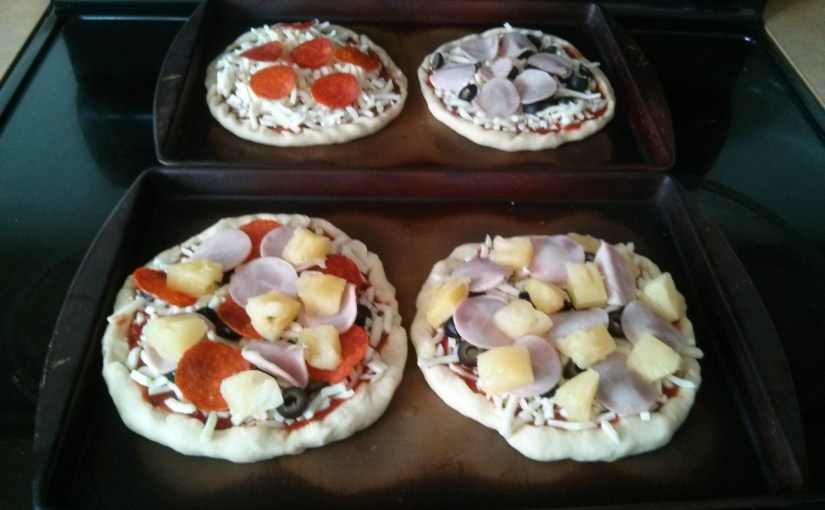
Not only were we making mini pizzas because I thought it sounded like fun, but because it’s the only way everyone can actually get what they want on their pizza. I love Hawaiian pizza. My kids think pineapple on pizza is the weirdest thing ever. The kids and my hubby like sausage. I don’t. My daughter has something against pepperoni. My son refuses to eat olives. Solution: Mini Pizzas topped by whoever’s going to eat it.

What does this have to do with writing? 

I know you can’t please every reader. I’ve heard it a million times. I’ve said it to other people at least half as many times. I know this is true.

But I didn’t really know it, know it until I was making pizzas that night and trying to get my kids to put all their toppings on without making a huge mess (failed on the mess part). I looked at our lovely pizzas…

2015-03-09 17.32.04

…and that’s kind of when it hit me. You can’t please everyone and that really is okay. Heck, I can even get four people to agree on pizza toppings! What chance do I have of getting every reader who picks up one of my books to think it’s awesome? Clearly, not going to happen because everyone has different tastes and interests when it comes to books.

This particular reader wanted something different than what I provided. I wrote the best book I could, and a lot of people have really enjoyed it. She didn’t. All I can do is shrug and move on. If I tried to write every book so every person who read it would be perfectly pleased with it, I would lose my mind. I feel like my head might explode just trying to contemplate such an impossible feat.

I’m proud of how this book turned out. I wrote it in a way that I felt was true to the story and characters. Had I written it any other way, I would have disappointed myself, and that would have hurt more than a few not-so-great reviews. Yes, it’s disappointing that this reader didn’t enjoy the story. I hope she finds another series she falls in loves with. We didn’t click on this one. I can’t do anything about that. What I can do is keep writing the kind of books that I feel proud of when I put them out in the world for readers to eat up. That’s really all I can do, and I’m okay with that.


Connect with me online:

Facebook: AuthorDelShereeGladden

Twitter: @DelSheree

Pintrest: DelSheree

Google+: DelSheree Gladden

The Plus Side of Insomnia

I had some book goals for the beginning of 2015…and then my husband and I decided to sell our house, so everything book related happily got put on hold in the face of the excitement of moving.

We’re all pretty pumped about moving next month. Fingers crossed everything goes smoothly!
giphy

So, back to insomnia.

Moving is stressful. Well, trying to sell your house and keep it clean with two kids and a dog who is constantly eating crap he should and having…shall we call it intestinal troubles?…that’s stressful. My hubby and I had a tough time keeping up with that in addition to all the other craziness of inspections, offers, surveying, and on and on.

You’d think all that would make you fall asleep as soon as you hit the pillow, but not so much. When I get stressed, I don’t sleep well.

What do I do while I’m lying there staring into the darkness?

PLOT

Sounds ominous, right? I’m not talking revenge or mayhem. I’m talking BOOKS.

With all the hoopla of the last few months…

giphy (1)

I haven’t done much writing, or marketing, or anything actually book related. The last week or so, with all the insomnia I’ve been having, I have at least had the chance to work out the kinks I had been stumped with on The Ghost Host.

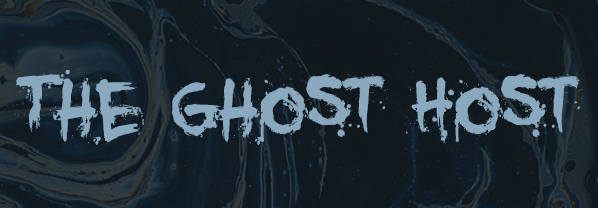
Ghost Host Title

What’s been bugging me about The Ghost Host?

Trying to capture the decision making skills of a troubled 18-year-old girl on her own for the first time.

She thinks she has things under control. Her friends are with her. A guy she really likes has promised to protect her. She and the ghost who’s stalking her seem to be on decent terms for the moment, and the FBI is actually looking like a good move.

Echo doesn’t actually have anything under control, and I was too the point in the story where things needed to start unraveling but I wasn’t sure how to do that. How exactly does a girl in that situation react when her first boyfriend, first time on her own, first kind of job, and first time trying to handle the ghosts on her own?

I finally figured it out.

She makes a lot of mistakes.

So, now that I’m finally making progress on The Ghost Host again, I can hopefully finish the last quarter of the book a start making plans for a summer release.

So, keep checking back to see what trouble Echo and the ghosts manage to get themselves into.

Unreliable Narrators Are Not My Favorite

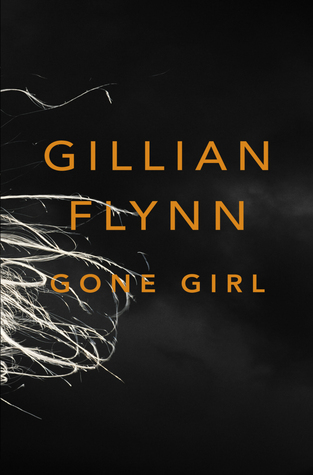
gone girlThe unreliable narrator has shown up in some pretty popular books, like Gone GirlClockwork OrangeLolita, and Fight Club, just to name a few.

What is an unreliable narrator?

It’s basically a narrator whose credibility has been seriously compromised.

This can be obvious to the reader, as it is with Alex in A Clockwork Orange, or not so obvious, like it was with Gone Girl.

Why don’t I like unreliable narrators?

Because it’s hardly ever done well. Gone Girl is one of the exceptions, and I’m a little hazy of Fight Club at the moment because it’s been a while, but I seem to remember thinking that one was done pretty well too.

What makes the difference between an unreliable narrator being 8858f-bookpagesdone well or feeling like a cheap trick?

It all comes down to the ending.

I remember watching a movie with my hubby some years back called Hide and Seek. My husband and I both agreed that this one of the worst attempts at an unreliable narrator that we’d come across. What left us feeling that way? Basically, by the end of the movie, we were both left feeling like we had been blatantly lied to through the whole movie. The MC acted in ways completely contradictory to the truth that would eventually be revealed, and so did his daughter.

The daughter was the biggest disappointment, because it made no sense at all that she would respond to the dad’s questions and act the way she did when she knew the truth the whole time. There wasn’t any logical reason for the way the characters behaved, EXCEPT that the writers were lying to the audience.

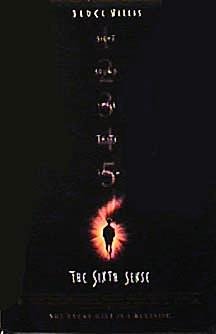
sixth senseHow is this different that a good unreliable narrator?

An unreliable narrator believes in his or her reality, or is completely committed to the deception they’re trying to perpetrate. Every word that comes out of their mouth, every action the take, and look and gesture should all be in line with their warped viewpoint or deception.

At the end of the book/movie, you should be able to look back and not point out any instances where things don’t line up.

The Sixth Sense is a good example of this. If you’ve ever watched the “making of” for that movie, you’ll see how the painstakingly went through that entire film to make sure Bruce Willis never talks or touches anyone other than the boy. They create situations where there “seems” to be interaction, such as when he’s sitting in the living room with the boys mom, or goes to meet his wife at the restaurant, BUT you see at the end that none of those scenes were what they seemed.

When writing an unreliable narrator, this is what it takes.

Unreliable narrators are tough to write well. There has to be a well thought out plan. Interactions, thoughts, and dialog has to be scrutinized. It’s a lot of work, but if you can pull it off, you’ll have something people will remember for a long time!

Creating a Protagonist with Depth: Part Three

If you haven’t read the first two part in the series, you can find Part One HERE and Part Two HERE.

Now, on to today’s discussion!

Character Arc

What is a character arc?

It’s your character’s journey from who they are at the beginning of the book to who they become by the end.

(Hint: these should be different!)

  • This is basically the main question your character arc needs to fulfill throughout the course of a story. Developing a strong character arc will help you create a character with depth.

There are 3 stages to a character arc.

STAGE ONE

Arc Stage 1

The Catalyst

You need something that will force your character onto the path that will change them from who they are to who you want them to become.

This can be a physical and internal stumbling blocks.

The catalyst is a problem – something your character needs to overcome.

For example…

Tris finding out she’s Divergent.

Katniss volunteering for the Hunger Games to save Rue.

The journey to overcome this problem is what will test them and force them to grow personally and emotionally.

STAGE TWO

Arc Stage 2

During the second stage, your character attempts to resolve the problem from the first stage.
Of course, things can’t go to easily for your character.
In order to make sure your character keeps growing, they need to continue to face new obstacles.
Translation: Things keep getting worse.

Why?
As your character faces new problems, they learn new skills, become more capable, more like the person they need to be.

STAGE THREE

Arc Stage 3

This is the resolution stage, where your story reaches its climax and your character discovers who they are becoming.
This is NOT always the resolution of your characters’ completed arc
If your are writing a series, this may be the first realization for the character of who they want to be or will become.

Your full character arc may stretch over a series of books, but within each book you should have the three stages of the character arc, with the character reaching an important realization at the end of each book.

Making sure your character changes and grows throughout your story will help create a more believable and relatable character.

Creating a Protagonist with Depth:Part 2

If you haven’t read Part One of this series, you can find it HERE.

Now…on with the show!

In PART TWO of this series, we’ll be talking about Stereotypes and Archetypes. If you’re not sure what one or both of these are, have no fear, they’ll be explained, and we’ll also talk about whether they should or shouldn’t be used and how to tell the difference.

StripedShirtWomanStereotypes

What are Stereotypes and why should you be careful when using them?

Stereotypes

  • A character that is so ordinary or unoriginal that they seem like an oversimplified version of a person, class, gender, etc.

Basically, this means the character is one dimensional. What readers see is what they get. There’s nothing deeper to their thoughts, personalities, or motivations. Simply put, these are not the most interesting characters. Certainly not what you want to model your Main Character after!

Why should you avoid this?

  • Stereotypes are rarely accurate. Not only can they be offensive, they make for poor characters because readers can guess exactly what they will think, do, say, or respond. That’s boring.

There are times when Stereotypes are used effectively in fiction. These are usually your secondary or tertiary characters who aren’t integral to the plot and provide “filler” in a scene or situation. They don’t add to the story, particularly, or move the plot along, and usually have very little page time.

Even when writing these types of characters, be careful to avoid writing a character that draws too heavily on ideas that may be found offensive or off putting. Stereoptypical character should be used very sparingly, even when writing secondary or tertiary characters.

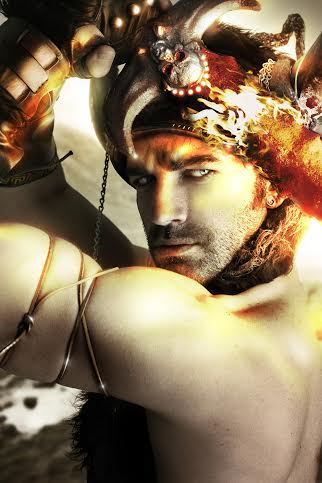
Gabriel with swordArchetypes

What are archetypes and should you use them?

Archetypes

  • A typical character, action, or situation that seems to represent a universal pattern of human nature

Are they bad?

  • Archetypes can be used effectively when done right. For example, the “Hero,” “Innocent Youth,” or “Mentor” characters appear in many works of fiction.

Fantasy and Science Fiction often use archetypal characters, and you also see them quite frequently in comic book storylines as well. Popular examples would included Darth Vader and Anakin/Luke Skywalker from “Star Wars,” The Giver and Jonas from “The Giver,” and Sauron, Gandalf, and Frodo from “The Lord of the Rings.”

  • The challenge is creating an archetype without falling into stereotype. Even if your character is following an archetypal pattern, they still need to be complex and unpredictable at times.

In comic some comic books, the hero and villain are intentionally portrayed as stereotypical archetypes. Such as, the villain is ALL evil while the hero is ALL good. In such stark good vs. evil storylines, this works very well. Many other comics prefer to use more complex heroes and villains, which is what fiction/prose writers want to accomplish as well. No villain is completely evil and no hero is undeniably pure. There has to be more to the story, deeper reasons, secrets, hidden desires, and more layers than your readers can see in one glance to make sure you’re writing a well rounded and interesting archetype.

Next up is Character Arcs…what they are, how to use them, and what they will help you accomplish. In the mean time, I’d love to hear your examples of stereotypical and archetypal characters from books or comics you’ve read!

A Ten Year Journey

Crowd at ConcertI think two of the most common questions I get when I do public events are 1) How long does it take to write a book? …and… 2) How did you get you first book published?

Question #1 always makes me chuckle a bit because the answer varies depending on the book. Question #2 is kind of a long story.

So, I thought I’d share the answer two both questions today in regards to my very first book, Escaping Fate.

How long did it take me to write it? Well…I started writing Escaping Fate when I was fifteen, back when I knew next to nothing about writing and thought I was really good at it. I wasn’t. Anyway, a lecture in Mrs. Hume’s history class about Aztecs performing human sacrifices really got me interested and I started researching. Back then, that involved digging out an encyclopedia and scouring the library for resources since my parents weren’t big fans of the internet at the time.

The first version was super short. It fit inside a chunky 6×4 inch paper notebook. Yeah. It was short. Eventually, I started transferring it to my first laptop, which was a brick and weighed a ton, and I started adding to the story. Actually, I removed an entire character and rewrote the story with only the MC, Arrabella, and her grandfather. That took a while. A long while. REWRITE #1.fdd11-escapingfatefront
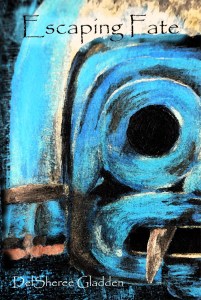
Some time later, I met my future hubby and found out he was into writing too. Don’ tell him I told you that, though. He likes to keep his writing on the DL even though it’s really good. And I’m not just saying that because he’s my husband. Seriously, it’s good stuff, and if he ever actually lets anyone outside me and his brothers read it, you’ll agree.

Anyway…my hubby and I chatted about writing and when I mentioned nixing poor Tanner from the book, he talked me into putting him back in. After all, every story needs a little romance, right? REWRITE #2.

Years later, after getting married and having two kids and doing some college here and there, I pulled Escaping Fate back out, reread it, decided it was still missing something, or several somethings, and went back to work ironing things out, changing POV and tense, adding in more story elements to keep things interesting, and who knows what else. REWRITE #3. 
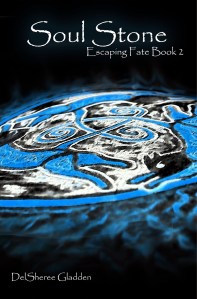
40bf3-soulstonefrontcoverv2By the time I was ready to submit it to agents and publishers, I was 25-ish. Yep, it took me ten years to finish this sucker. And guess what happened? Zip. That’s right, not a single agent or publisher was interested in it. I had no publishing credits, no social media presence, nothing at all that would convince an agent or publisher to take me on.

I didn’t give up, though. I decided to publish it on my own. At the time, I had no clue how to market, but I learned how to format for print and ebooks, painting a picture of an Aztec god for the cover art, and put together a pretty good book. Escaping Fate is a book that will always be close to my heart because of the journey it was to share it with readers. Even though it’s not a big seller for me, it got my toe in the door, forced me to learn a lot about writing, publishing, and marketing, and put me on the road to some pretty cool things.

Escaping Fate was published in 2010. Since then I’ve published 15 other books, including a sequel to Escaping Fate that I never planned to write (Soul Stone), have made the USA Today Bestseller list as part of a wildly popular box set, got a pretty good review from Kirkus, and have more than one book in a top 100 category on Amazon. Even if Escaping Fate is never one of my more popular books, it was the first step. Sometimes, that’s all it takes to get yourself moving in the right direction.

Connect with me online:

Facebook: AuthorDelShereeGladden

Twitter: @DelSheree

Pintrest: DelSheree

Google+: DelSheree Gladden
It’s Done…Walk Away

DeathtoStock_Medium6I have to start this post off by saying, it was inspired by a post my lovely writing buddy, SeriouslyGina, recently posted on her blog. She was talking about the awfulness of querying agents and trying to write that perfect query letter that simply no one can refuse, despite the fact that it is like a rainbow unicorn made of sparkle dust and dark chocolate.

Hint: It doesn’t exist.

Querying is my least favorite part of writing. Maybe that’s why I gave up on trying to find and agent or pitch to publishers and went almost entirely indie. Actually, there are a whole bunch of other reasons for that!

In all honesty, though, thinking about what a torment querying is reminded me of some advice I got from one of my painting instructors in college that has really helped me in my writing and other areas of life. It was simple and kind of a silly thing to stick with me for almost fifteen years, now that I think of it, but oh well.

I had been working on a single painting, a master study of a JW Waterhouse painting, for the majority of the semester, and it just never seemed quite “done.” My painting professor, the incredible William Hatch, finally walked up behind me one day and said, “It’s done. Put your paintbrush down and start something new.” I didn’t think it was done. In fact, I have a print of it hanging in my house and every time I walk by it I think, “Ugh, I should have fixed that part.” But, there’s no sense trying to paint on top of a print and I don’t have the original painting anymore, and I’m not quite that much of a crazy person.

I think Professor Hatch might have just been sick of looking at that painting when he told me to put down my paintbrush, but even if he really did think it was as good as it was going to get, his comment actually stuck with me and I’ve applied it to more than just painting.

I often reach a point in a project, writing or otherwise, when I just have to put it down and say, “It’s done.” When I’m writing, that’s usually after way too many edits when my eyes are crossing and I’m beginning to hate my own book because I’m so tired of looking at it. Before I actually get to that point, I tell myself, IT’S DONE…WALK AWAY. I don’t go back to it. I move on to a new project and don’t look back whether I have that nagging feeling that it could use a little more tweaking or not. It’s just done.

I heard a piece of advice once, and I can’t remember who it was from but I’m pretty sure it was one of those huge 19th century writers we all aspire to be. The advice was to never read your published book. You’ll always find little errors or things you could have tweaked, sections that could have been stronger, blah, blah, blah. It will never be perfect. No book will ever be, nor has ever been perfect. NOT A SINGLE Girl with Book 3ONE.

Instead of chasing your starburst and sunshine with sprinkles on top masterpiece, write the best book you can write, find great beta readers, even better editors, friends who’ll support you no matter what, and pour your heart and soul into your story.

Your book will never be perfect, but the message you share and the way it impacts your readers will make up the difference.

Connect with me online:

Facebook: AuthorDelShereeGladden

Twitter: @DelSheree

Pintrest: DelSheree

Google+: DelSheree Gladden

Runts and Writing

Calendar DeadlineI’m one of those people who likes to do the things they don’t like first…except when it comes to cleaning bathrooms. I put that off as long as possible. It struck me, though, as I was eating some Runts, that you can’t really do that with writing. As I was picking out all the bananas and oranges to eat first because I like them the least but feel bad just throwing them away, I had the thought that most of my least favorite parts of writing and publishing can’t really be done first just to get them out of the way.

My two least favorite parts of writing are editing and marketing. Editing, I just don’t like because it’s time consuming and annoying and I can never remember how to use a comma properly in every situation. Marketing is just plain tough and time consuming and will totally eat up your whole day if you let it.

In a perfect world, I could just do both of those first, get them out of the way, and then move on to the fun parts. Writing. I can do it with food and chores, so why not writing? Admittedly, it’s tough to edit something you haven’t written, and even though you can start to market a book before it’s published, you still have to have something concrete to market and know how to do it right.

So, how important is having a plan and sticking to it when writing?

Important. 

Here are a few thoughts to consider:

Marketing

The hardcore marketing will usually start once a publication date is finalized, but more general marketing needs to start 6-9 months pre-publication. How do you do that when you’re only on chapter 3?

Ask for input on social media. 

  • What do you think of these names for a (fill in the blank) type of character?
  • Anyone live in ___________? What’s a great first date restaurant, unique location, bad area of town, etc.?
  • Do you believe in ghosts/werewolves/demons?

Get them invested in the idea of your book before you ever even finish it. Make them a part of the writing process so they feel connected to it before they even read a single page. Just remember to include the title or working title in your posts.

Give readers sneak peeks.

Shark2 Teaser 3Post a short excerpt. Tell readers what your character said or did that made you cry/laugh/stare at your computer screen in shock. Make some promo teasers like the one below with interesting quotes or taglines that readers can share.

The more you get readers involved in the pre-publication process, the more excited they’ll be to finally get their hands on a copy once it’s released.

Tours, Guest Posts, etc.

On a more technical note, you also need to be setting up tours, guest posts, events, etc. well before the day your book is going to come out. Most good tour companies are booked at least two months out. Plan ahead.


Writing

Sadly, there’s really no way to knock out the editing before you actually do the writing. So, how do you stay on schedule with your writing? Everyone is different, but here are a few ideas that have worked for me and author friends I know.

  • Deadlines: whether this is a deadline for finishing the book, a chapter, or section, sit down and give yourself a reasonable time period to accomplish a set amount of work. Mark it on your calendar.
  • Writing Groups: Make yourself accountable to someone else. Readers can be great at keeping you on track when they’re waiting for a new book, but a writing group that meets regularly and requires you to have something for the other members to critique can help you stay on track.
  • Daily/Weekly Goals: whether this is a word count goal, set amount of time, plan a time that you will use just for writing. Your creativity often needs to be trained to come out and play at certain times.
  • Bribery: Seriously, this works. Give yourself a reason to meet your goal. Chocolate? Shoes? A night out? Whatever motivates you, use it.


Sometimes we’re stuck dealing with the order things just have to be done in, but there are ways to make it work for you. I’d love to hear your ideas and suggestions for dealing with some of your least favorite parts of the writing/publishing process.

Falling Flat or Finishing Strong

0b191-istock_000024086772large

Ever feel like this guy when you’re trying to work out the ending to your book? 

I agonize over the endings of my books, series endings especially. I’ve mentioned this before, but instead of just whining about it, I thought I’d share some insights I’ve learned and some tips from other authors.

Tips From Other Authors

KM Weiland offered up some great tips on her YouTube video. You can watch the full video for her whole discussion, but here are the highlights.

1. Wait until the resolution to tie up any loose ends. In other words, don’t interrupt the action to talk about Carlos’s shoe size or Betty’s grade on her science paper. Rope 2

2. Tie up loose ends BEFORE the climax. If you really need to let everyone know whether or not Skippy found his lost shoe, spit it out before Joe and Susie head off to fight the zombie horde.

3. Make the unfinished business exciting enough to be included in the climax. If Clara’s long lost aunt is going to drop back into the picture, she better have something to do with the solving the mystery or winning the fight or it’ll just be a distraction that pulls readers out of  the story.

Brian Klems offered up some great writing tips in his Writer’s Digest article, but here’s what relates to finishing a book:

1. The hero should be the catalyst. No one wants to invest time and energy in a character only to see someone else step in at Sexy young soldierthe end of the MC’s story and save the day. What was the point of that character going through everything they did if they don’t do anything in the end?

2. The hero should grow internally. What does this means? Basically, the problems the hero faced or struggled with in the beginning need to be resolved in the end and be part of the reason he’s able to triumph at the climax. If you’re dealing with a series, maybe the growth is incomplete, but there should be growth all the same.

3. A new and better hero should emerge. The MC needs to have earned the right to be called a hero by the end of the story. If they don’t demonstrate that they can do something the others characters can’t (and we’re not just talking supernatural abilities), why is he or she able to save the day over any other Joe-schmoe in the book?

What I’ve Learned

The ending can make or break a book. I’ve been disappointed too many times for it not to effect the way I write. I’m slightly obsessed with making sure my books don’t peter out in the last few chapters because, as a reader, I hate that! Here are a few of my own tips to avoid writing that ending that makes your readers cringe.

1. Complete your character arc. What was it in the beginning of the book that your character struggled with the most, that defined who he or she was and why they felt like they couldn’t meet their goals? Have you resolved it by the end of the book? I’m not talking situational problems. This needs to be deeper emotional wounds that have held your character back. Have they overcome some part of what’s been holding them back? If not, take note of what those wounds are and how they need to be fixed in your final chapters. Questions

2. Answer the freaking question! Okay, this makes me think of “Lost” and how confused and irritated I was when they wrapped up the sixth season and 90% of the hints and mysteries were completely abandoned. If you bring up a challenge, hint, clue, noticeable item, etc. and then never mention it again, readers are going to be left saying, “What about…?” And that’s annoying. Either get rid of those plot points that never panned out, or make sure they’re followed up on.

3. Redemption and justice are musts. Unless you want to end things ambiguously on purpose, take a look at the major players in your book and make some tough decisions about what they really deserve. Does your bad guy need to die, or will he find redemption? Is your MC going to save the day or meet with spectacular failure because of his less than stellar choices? If your readers don’t feel like everyone got what they deserved, even if it wasn’t the ending they saw coming or wanted, the ending will feel incomplete and leave them at odds when they set the book down.

Crafting the perfect ending can make you want to tear your hair out. Maybe it will never be perfect, but hopefully some of these tips will help you write a complete ending that will hold readers’ attention and leave them feeling satisfied and ready to go grab the next book!

Connect with me online:

Facebook: AuthorDelShereeGladden

Twitter: @DelSheree

Pintrest: DelSheree

Google+: DelSheree Gladden

Holiday Writing…or Not Writing: Choosing a Genre

2014-12-08 09.13.19With the holidays approaching, I’ve been seeing loads of posts and promos for Christmas books. I was even a part of one promo for #ChickLit4Xmas, which was lots of fun. I’ve never been particularly into reading Christmas themed stories. I have nothing against them. I’ve simply never been drawn to them.

As I’ve been seeing all the holiday books being promoted, I realized I’ve never even written a single Christmas scene is any of my books. At least I don’t think so. It’s been a while since I’ve reread some of my early books. I’m pretty sure all I have are some birthday parties and a brief mention of Christmas in Shark Out Of Water.

One might start to think I have an aversion to writing holiday scenes. It’s kind of funny actually. I really don’t know why I haven’t written a holiday scene before, but it got me thinking. How do writers choose what genre they’re going to write? Obviously, I can’t speak for all authors, and I didn’t think about this early enough to take a poll, but here’s why I write what I write along with a few tips on how to choose your genre.

I write in several genres and subgenres ranging from YA paranormal/sci-fi/dystopian/urban fantasy, to straight up romance, to new adult (a rather new venture), to some unpublished projects that are just plain YA drama no otherworldly twists and turns at all. So what genre for what story?

Basically, the way I decide how to choose a genre depends on three things.

1: What is the main conflict of the story?

Is it personal or situational? Personal implies a lot more internal struggles while situational may be more event-driven. Figuring out what you want the driving force behind the conflict to be can be a challenge, but this question helps you narrow down whether you’re going to be thinking along the lines of faster paced/question driven writing or deeper emotional trials that won’t need bam-bam-bam events to pull the reader through the story.

2. What type of stumbling blocks will your characters face? 

This question in particular helps me chose the age range of my characters. With YA, parents are an issue, as are friends (more so than in other genres usually), limits on what they can and can’t do, firsts (big decisions, relationships, sex, drugs, alcohol, etc.), and self-discovery.

2014-12-08 09.22.48With New Adult, some of the YA issues still apply, but you add in facing the grownup world with jobs, bills, being on their own, dealing with consequences without parental backup, failure, and so much more. There’s more freedom for the characters in some ways, but a new set of responsibilities can limit them as well.

With fiction for adults, you’re facing day-to-day life with work and family, dealing with past mistakes, reality of the life they’ve chosen/ended up with, wanting more or something different, having to grow up and actually be an adult, serious relationship issues, etc. Asking yourself these question can help point you in the right direction for ages of your characters, which will help you narrow down your genre choices.

3. To paranormal or not to paranormal? 

Maybe this isn’t a question every writer asks, but I do. So far, all of my published YA books have some sort of paranormal/sci-fi/urban fantasy element, but I have other projects, finished and unfinished, that just didn’t work as anything but straight drama. Why? Because the source of their main problems are real problems, not imaginary ones. My adult romance series, Date Shark Series, doesn’t have a single ghost, demon, curse, or magic power anywhere. I wanted to focus on actual relationship problems we’ve all faced at one point or another and I didn’t need anything outside reality to do that.

Figuring out the driving force behind your conflict will help you decide whether or not your story needs something paranormal.

So, these are the questions I ask myself when I start a new project. Sometimes I already have these worked out when the idea hits me, but sometimes I don’t. If you’re uncertain about what direction to take your story, try asking yourself these questions. If you have questions you ask yourself to help you decide, I’d love to hear them! 

Connect with me online:

Facebook: AuthorDelShereeGladden

Twitter: @DelSheree

Pintrest: DelSheree

Google+: DelSheree Gladden