Setting is not just a location for characters to interact. It should be relevant to the story and/or scene.
 Setting affects how a story progresses. Location can be a hindrance to or facilitate story progression. Consider how the chosen scene can be interacted with by the characters, how it might change actions or decisions, or how it affects the characters in the moment.
Setting affects a character’s worldview and mindset. When, where, and how we grow up shapes us. If a scene momentary, this may not apply, but a scene that is used multiple times or is a main feature of the story should have some kind of impact on how the character sees the world, themselves, and others as well as how they think and make decisions.
Setting establishes the atmosphere of scenes and affects reader perception of events. A guy on the street waving at a character standing in her bedroom will be perceived very differently depending on whether it’s a nice sunny day in summer or it’s a stormy, rainy night where no one should be out and about at midnight.
Setting affects characters’ choices and actions depending on how it impacts the scene or story
Setting can act as a character, either an antagonist or protagonist in some situations like survival stories or when the weather, climate, or location significantly impact how the story progresses and the character develops.
There are two main types of setting: backdrop and integral

Backdrop settings are not terribly important to the story most of the time. These are incidental settings chosen because a scene needs to take place somewhere rather than out in the ether. These types of scenes could take place anywhere without changing the dynamic or meaning, such as hallways, cafes, sidewalks, etc. These normally need minimal description or attention.
Integral settings are settings where time and place influence the theme, character, and action of a story in some way. The story and characters would be different if the setting were changed. For example, Animal Farm wouldn’t be the same if set in a shoe store. These settings need more in-depth description and development to integrate them into the story and character experience fully. These types of settings are usually recurring settings or settings used for important scenes in the story.
When choosing settings, consider their impact on the story and characters.




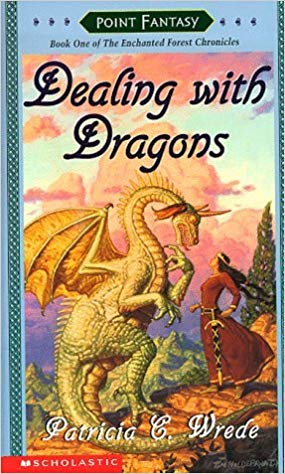 One of my favorite examples comes from one of my favorite childhood books, Princess Cimorene from “Dealing with Dragons.” She feels trapped in her life as a princess and is about to married off to a ridiculous prince, so she volunteers to be a “captive” princess for a dragon and ends up having all sorts of adventures while fending off knights who keep trying to “rescue” her.


 Writing to market also means knowing general audience expectations, likes, and dislikes. Generally, readers don’t have a strong preference for standalones or series, a plot that moves quickly and well-developed characters keeps readers from putting down a book, blurbs and book covers that don’t accurately portray a book upset readers, readers prefer to interact with authors on Facebook more than other platforms, most readers do want to interact with authors, and readers pay attention to reviews.

 Sweet
Sweet No explicit sensuality, kissing and touching is okay but physical descriptions are limited to general terms or are only implied. Physical acts should be focused on the emotional elements rather than explicit description. Off-screen sex is alluded to and left to the reader’s imagination. Think PG-rated movie.
 Moderate explicit content and sensuality. Sex is described, but not in graphic detail. The emphasis stays on the “lovemaking” and emotions, not the act. Euphemisms are more common and many details are left to the reader’s imagination. Sexual tension is used throughout, with more touching and some undressing involved, and there are usually only one or two sexual scenes in the whole book. Think PG-13 rated movie.
 Very explicit sensuality and a deeper focus on sexual feelings, desire, and physical sensations. Sex scenes are longer and may have 2-3 in the book. Character thoughts are focused more on sexual urges and desires and sex is graphically described with specific body part words used and strong euphamisms. There may be light exploration of less-traditional sexual activities. The emotional aspect of sex is still important and should be balanced with the physical sensations. Sex scenes should further the story, not overtake it. Think R-rated movie.
 Extremely explicit sensuality and descriptions with a strong focus on sexual thoughts, desires, and needs. Sex may be the primary focus of the story, but it still has a full-arc storyline and strong emotional elements. Sex often includes non-traditional elements such as light BDSM, use of sex toys, ménage or other forms of “kink.” Profanity is more common and graphic language is used in descriptions. There are usually multiple sex scenes throughout the book. These stories can’t be told adequately without the sexual content. Think NC-17-rated movies.

 Hero: Predominantly “good”, struggles against evil to restore balance, justice, etc. (Luke Skywalker)