
Creating consistent and engaging tension that will keep the reader’s attention

Tension is key to keeping the reader interested!

Tension is what keeps a reader interested in the progression of the story. If the reader doesn’t feel any concern about how the story will end, they will lose interest. Below are some tactics for creating tension.
Character-related tension: When developing characters, there must be points of tension built into their character arc. This often includes goals they will struggle to reach, important consequences or stumbling blocks they will face, personality traits that lead to choices that hurt themselves or others, or backstories that create barriers to success.

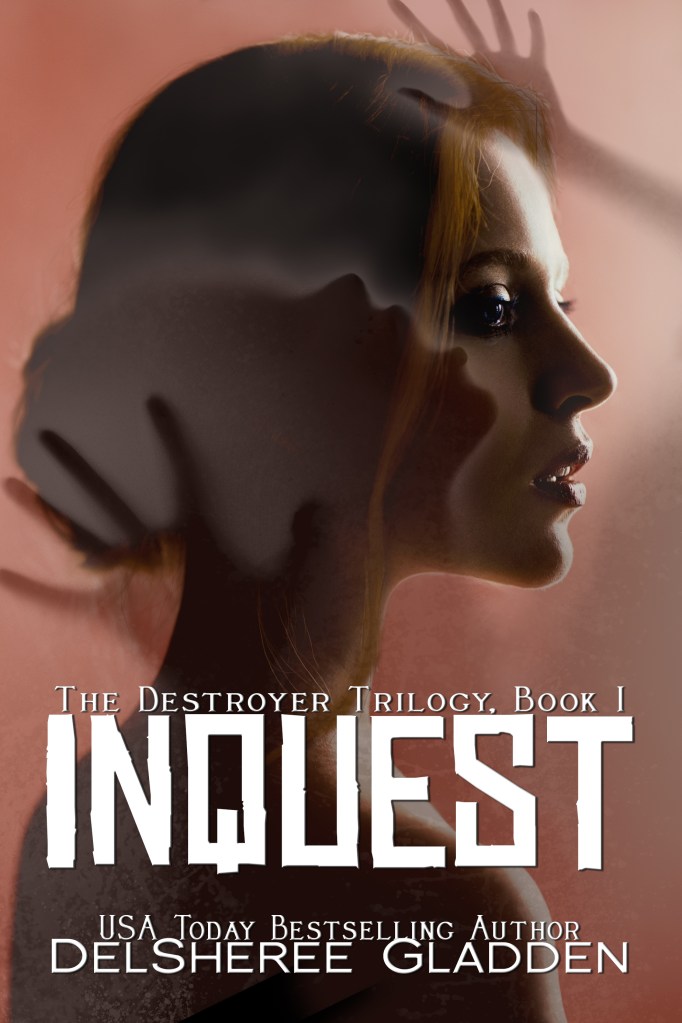
In my Destroyer Series, Libby Sparks knows her inquest will reveal secrets she been trying to keep hidden her entire life. In the chapter leading up to inquest, her thoughts are consumed with what will happen once she’d revealed, and whether she’ll survive the night.

Opposing goals that create tension: A single character may have opposing goals (high profile career and stable family life), or multiple characters may have opposing goals that interfere with the other person’s goals (both want the same partner or job). This doesn’t have to be just in the form of the protagonist/antagonist. Characters involved may go back and forth between the two roles.
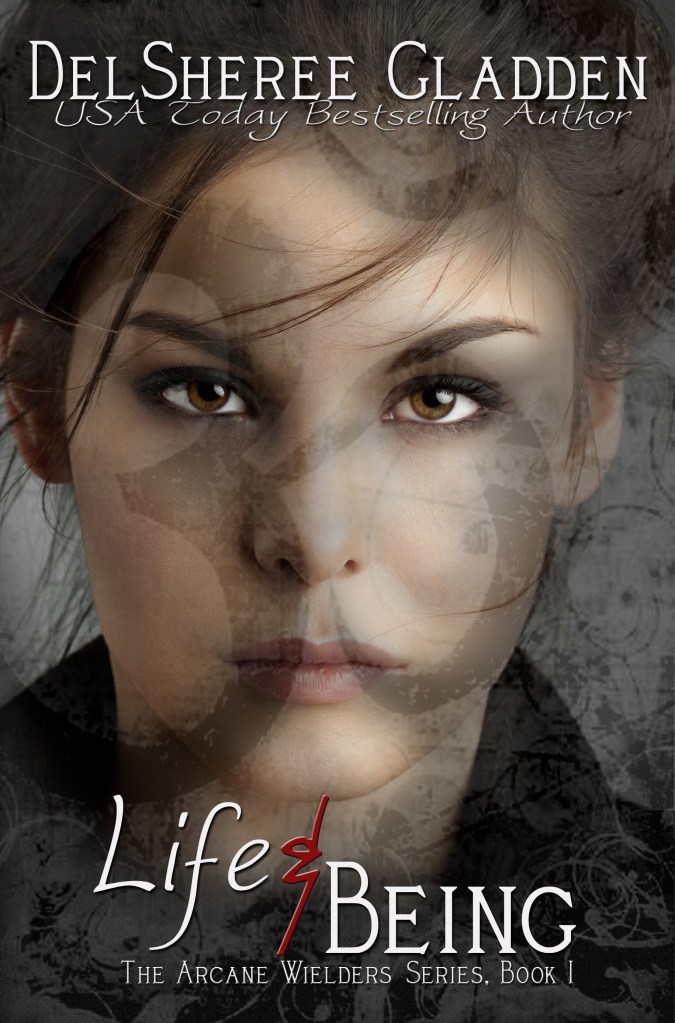
Sanford and Dahlia have opposing goals in the opening of Life & Being. Sanford is determined to reconnect with Dahlia and warn her of increased police activity on campus after witnessing a suspicious exchange between and another student. All Dahlia wants is to be left alone with her secrets until she can escape her father and his ever-tightening control. Their goals start to align once they both start to realize nothing either of them believed is actually true, but their early opposition creates a great deal of tension between them on all levels.
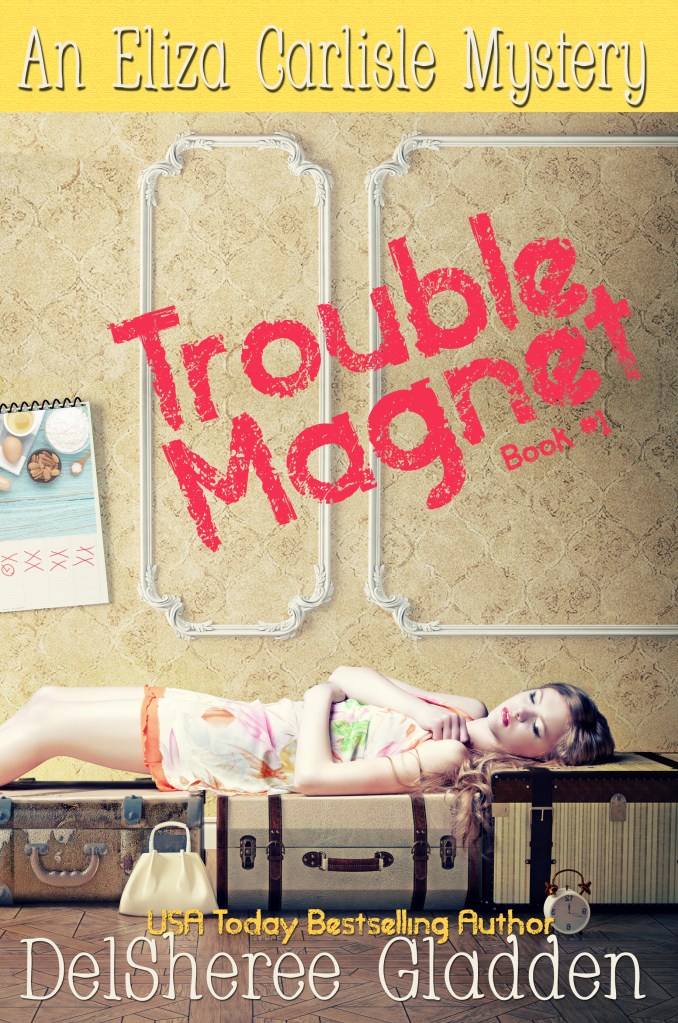
Raise the stakes: As soon as a character reaches a milestone, present a new complication to reaching the next one. There should, of course, be lulls between points of tension to give the reader a break, but the overall tension should continue to rise as the story progresses toward the climax. When outlining, be sure to pair every step toward development with a stumbling block.

Eliza Carlisle can’t get a break from the stakes being raised in any the mysteries she’s involved with. After spending five years in hiding, she comes to New York to attend culinary school (a major milestone for her!) only to realize she’s moved into the most bizarre building in the city. Just as she makes peace with the fact that she can’t afford anything else, a neighbor turns up dead.
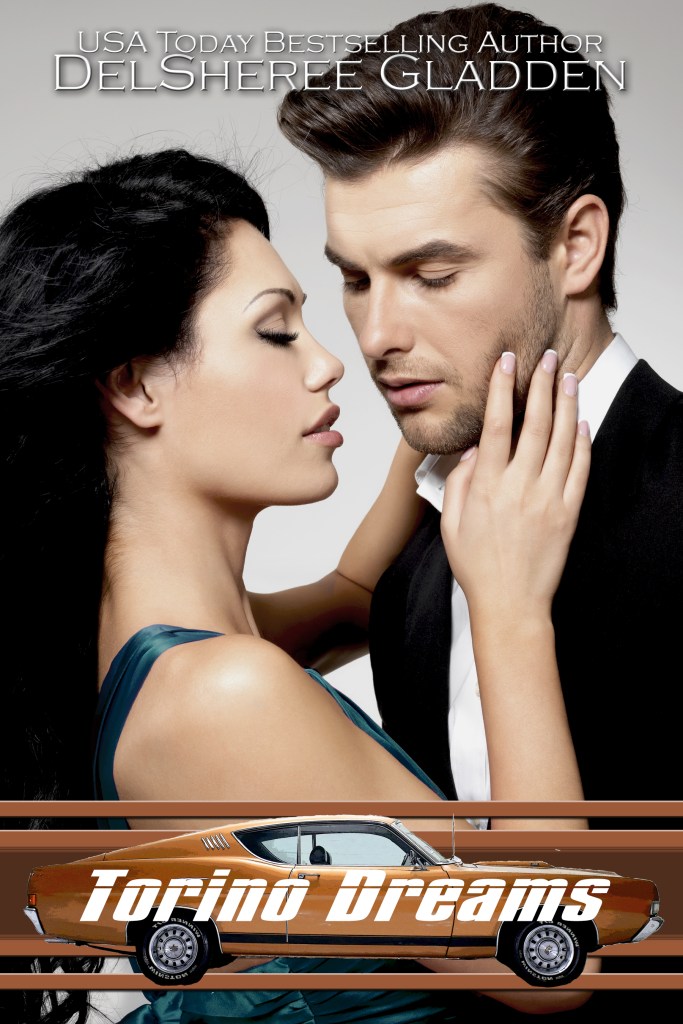
Question-related tension: Never make the path to success or the HEA so obvious that the reader never questions it. Problems and complications should push the reader to ask how the character will resolve or overcome a challenge. A unique story arc should always have the reader questioning how the characters will reach the end, even if they “know” it will end happily.

Everything Kate says or does creates questions for Sam in Torino Dreams. Her past is a mystery, as are her sudden disappearances. Even when she finally begins to open up to Sam, more questions arise about how she can possibly survive what’s coming after her and her adopted son.
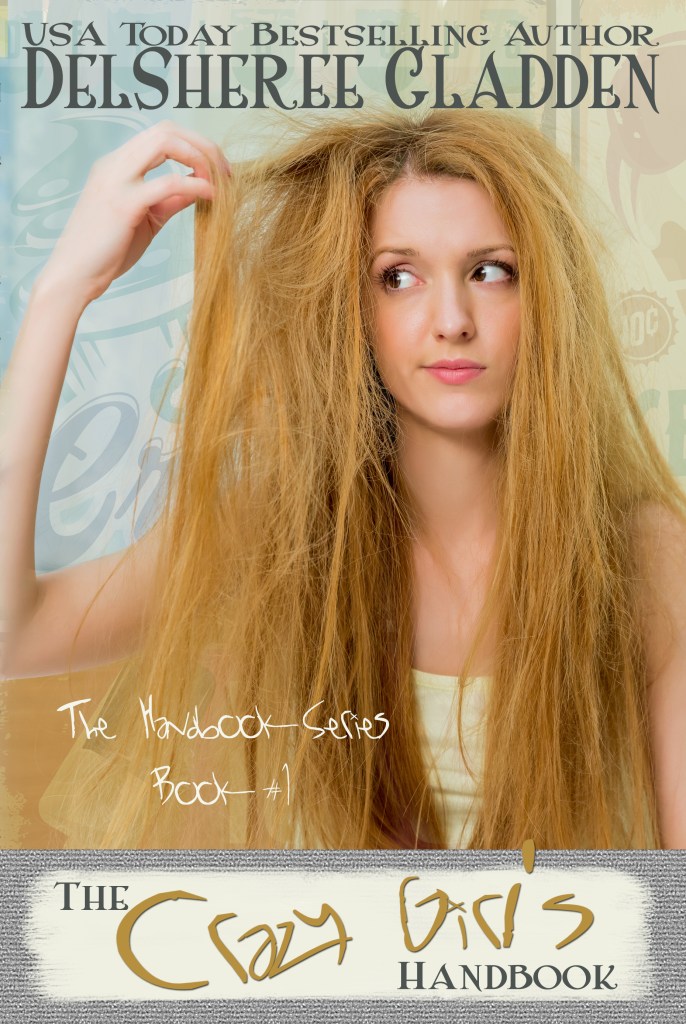
Tension though internal/external conflict: Most stories need a balance of internal and external conflict. As a character overcomes an internal conflict (establishing self-confidence), present an external one (a parent is diagnosed with an illness). Allow flaws and weaknesses to complicate the character’s path of development by letting them make bad or hurtful choices. This forces them to reevaluate themselves and their goals or priorities. External conflict takes the story out of the character’s hands, briefly, and puts the focus back on the story arc.

In The Crazy Girl’s Handbook, Greenly faces both types of conflict in order to keep the tension (and laughs) going. Argeeing to babysit her nephews puts her face-to-face with blind date she bailed on, thanks to her sister’s games. She not only has to battle her own self-perceptions and fears about relationships, the universe seems out to get her with one mishap after another, including Roman’s angry ex-wife.

Remove filler to improve tension: Evaluate scenes for their relevance and importance. Lulls in tension are important, because they give the reader time to process and think about the characters and story between points of tension, but if a scene is merely filler and accomplishes neither tension nor contemplation, it will only slow the tension to the point that readers might lose interest.
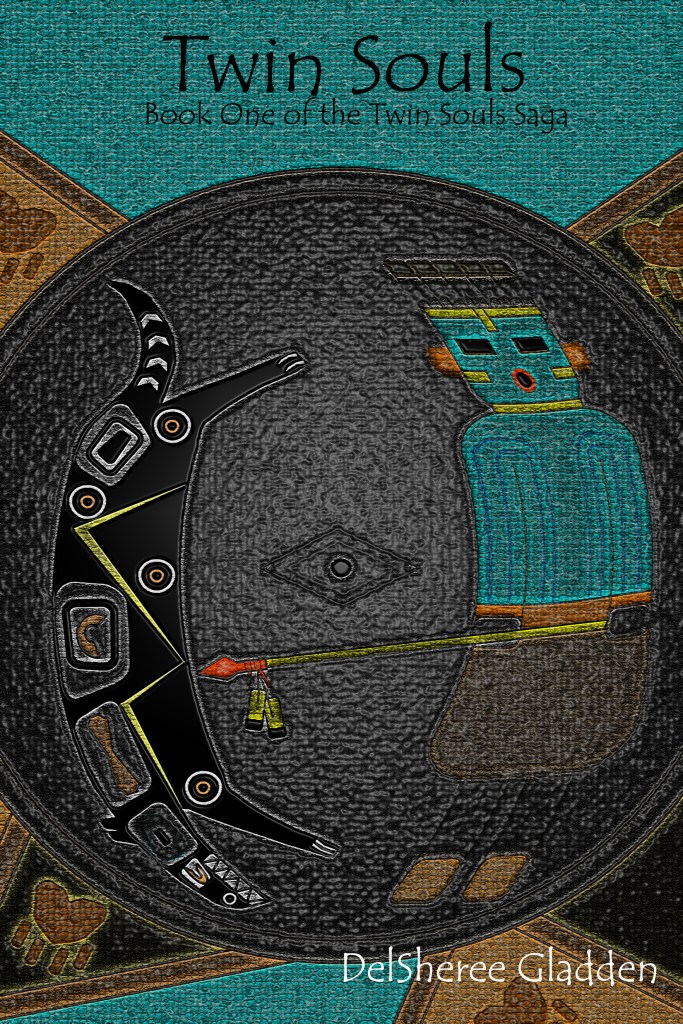
Withholding information to create tension: Only give the reader as much information as they need in a scene to understand it. Hold back enough to urge them to keep reading and get to the next scene. This is especially important with revealing backstory or mystery/suspense elements.

Uriah and Claire spend almost the entire Twin Souls series dealing with withheld information. Their tribe’s myths and legends are a part of their heritage, but they discover step-by-step that most of what they grew up believing are either lies or have been twisted to mislead. The reader leans bits and pieces along with them, unraveling the mystery of Claire and Uriah’s bond one page at a time.
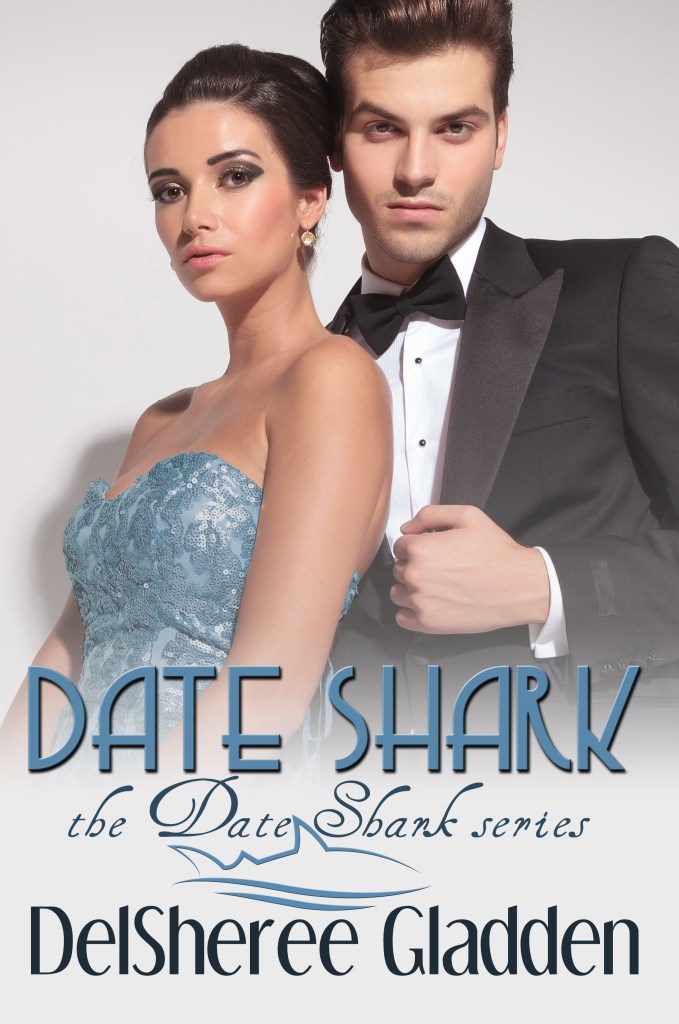
Time-related tension: Putting a deadline on a goal creates an overarching tension. Don’t just set a deadline and forget about it, though. Find ways to remind the reader of the deadline AND what’s at risk if the deadline isn’t met.

Date Shark Eli Walsh is put on a deadline when his friend Ana discovers he’s falling for the woman she asked him to help by acting as her dating coach. If he doesn’t fulfill his promise to Ana, she’ll end her friendship with him and make sure Leila cuts him off as well.

Wicked Hunger, book 1 of Someone Wicked Series

Use pacing to improve tension: Be aware of pacing when considering tension. A scene only needs to last as long as it takes to relay information and provide character/story development. Start and end with action in each scene and skip the day-to-day elements that don’t add anything. Also, match the scene length to the type of tension. High tension scenes tend to be shorter and more explosive, while scenes that reveal something slowly are usually longer and build progressively.

The Someone Wicked This Way Comes Series is filled with tense battles and moments of contemplation while Zander and Vanessa Roth struggle to control their frightening powers and learn the truth of where they came from. Where the battles are intense and concise, the moments where they’re investigating or exploring their love interests give the reader time to take in the information more slowly.

The importance of setting in fiction

Setting is not just a location for characters to interact. It should be relevant to the story and/or scene.

BeachHouse StepsSetting affects how a story progresses. Location can be a hindrance to or facilitate story progression. Consider how the chosen scene can be interacted with by the characters, how it might change actions or decisions, or how it affects the characters in the moment.


Setting affects a character’s worldview and mindset. When, where, and how we grow up shapes us. If a scene momentary, this may not apply, but a scene that is used multiple times or is a main feature of the story should have some kind of impact on how the character sees the world, themselves, and others as well as how they think and make decisions.

Setting establishes the atmosphere of scenes and affects reader perception of events. A guy on the street waving at a character standing in her bedroom will be perceived very differently depending on whether it’s a nice sunny day in summer or it’s a stormy, rainy night where no one should be out and about at midnight.

Setting affects characters’ choices and actions depending on how it impacts the scene or story

Setting can act as a character, either an antagonist or protagonist in some situations like survival stories or when the weather, climate, or location significantly impact how the story progresses and the character develops.

There are two main types of setting: backdrop and integral


Death_to_stock_kinckerbocker_photography_4

Backdrop settings are not terribly important to the story most of the time. These are incidental settings chosen because a scene needs to take place somewhere rather than out in the ether. These types of scenes could take place anywhere without changing the dynamic or meaning, such as hallways, cafes, sidewalks, etc. These normally need minimal description or attention.

Integral settings are settings where time and place influence the theme, character, and action of a story in some way. The story and characters would be different if the setting were changed. For example, Animal Farm wouldn’t be the same if set in a shoe store. These settings need more in-depth description and development to integrate them into the story and character experience fully. These types of settings are usually recurring settings or settings used for important scenes in the story.

When choosing settings, consider their impact on the story and characters.

Death_to_Stock_Chasing_Sunrise_8_Julian_DeSchutter

Writing and tortillas and putting in the work

I love to cook and bake, but I’m not the greatest at following recipes. I was in the kitchen with my mom from an early age, and most of the time I really don’t think I need to read the entire recipe (especially if it’s in a blog post that gives the entire history of a dish before getting to the actual recipe). I’m also not very good at planning ahead, so I often have to make substitutions and rush recipes (like not letting things rise for the full amount of time).

2020-03-22 18.05.01

With New Mexico being under a stay-at-home order, I’ve been working from home and have had more time to prepare meals most days. So, I’ve been making an extra effort to plan ahead and follow the recipe more closely.

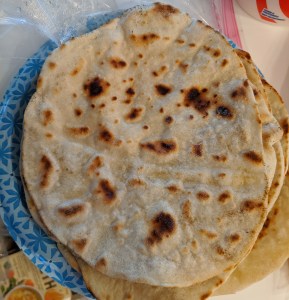
I’ve made tortillas a few times, usually from a mix, but with the shortages at the grocery stores right now, I ended up making some from scratch. I followed the recipe to the letter, including kneading it for the full amount of time (which I almost never do). They were the best tortillas I’ve ever made!

2020-03-22 19.06.28

What does this have to do with writing?

Writers often feel pressured to get the next book out as as soon as possible to keep readers attention. Some say that writers need to release something every 90 days. This can lead to lower quality writing due to rushing, skipping steps, or not preparing well enough.

A recent book club I led for work featured a contemporary romance from a fairly well-known author with a big backlist and a lot of followers. The group was pretty much unanimous at the end of the reading session that this book suffered from the three problems I just mentioned. The characters were often flat and unrealistic. The story never really seemed to go anywhere because there was a lack of real conflict, and many of the scenes felt like filler used to make the target length.

While it is important to produce consistently, quality is more important. Whether in baking or writing, prepare, don’t rush, and don’t skip the steps it will take to make a project a success.

  • Characters need fleshed out backstories and motivations
  • Every chapter needs conflict
  • Conflict should build to the climax and mean something to the reader
  • Outline or storyboard to make sure you have enough content for the word count or end it when the story dictates
  • A storyline should compel readers by making important promises to the reader at the beginning and fulfilling those promises by the end
  • Don’t rely on readers  “buying anything you write” just because they’re fans

Putting in the work for a story is just as important as it is for a meal if you want to produce something people will love. The tortillas, paired with the fish my husband made, were definitely a success!

2020-03-22 19.17.14


Pacing that keeps the reader engaged

A story’s pacing needs to be consistent enough to keep readers engaged while providing all the ups and downs that create a realistic story rhythm. Below are some tips for strong pacing.

bd4e3-runningfeet

  1. Plan with pacing in mind: Start at the outline level and make sure every scene has some element of conflict/reveal/resolution.
  2. Vary your conflict/reveal/resolution: Not every scene needs to be high intensity. Vary the sources and level or conflict/reveal/resolution in successive scenes, but make sure to keep building toward the climax. Utilize quieter scenes for reflection or understanding important details.
  3. Pace at the word and sentence level: Make sure your word choice and sentence structure match the pacing. Short, quick sentences with simpler words set a faster pace. Longer, more complex sentences using a bigger vocabulary slow the pacing.
  4. Use details appropriately: Sections of narrative with a lot of detail slow the pacing, which works well for scenes of internal reflection, revelation, or self-discovery. Use limited details in fast paced scenes to keep the action or conflict going.
  5. Highlight important moments through pacing: Using sustaining a faster pace builds to a important moments of action, revelation, or excitement. Slow the pace leading into moments of introspection, cueing readers into its importance.
  6. Critically evaluated scene elements: Ask what is the goal of this scene? Does the pacing serve the goal? What is detracting from the desired pacing? Remove elements that don’t match the pacing, such as extraneous dialogue (small talk, rambling), unnecessary details, extended character thoughts that are off topic, etc.

Consider where your scene is in the rise and fall of the plot arc and make sure the pacing matches its position. If the scene is flatlining and not moving the story forward, cut or rewrite it to better match its purpose.

Developing character motivation that draw the reader in

Understanding your characters’ motivation is key to developing strong characters.


dragonsOne of my favorite examples comes from one of my favorite childhood books, Princess Cimorene from “Dealing with Dragons.” She feels trapped in her life as a princess and is about to married off to a ridiculous prince, so she volunteers to be a “captive” princess for a dragon and ends up having all sorts of adventures while fending off knights who keep trying to “rescue” her.

Character motivation is the driving force behind what characters do and the choices they make. Motivations are based on needs. These are deep-seated needs that affect every aspect of their lives and psyches. They may be internal (psychological or existential) or external (survival).

Motivation spurs the character (and story) to keep moving, growing, and developing over time. Whatever need they have needs to be fulfilled, and making choices or taking action helps get them closer to that fulfillment. The steps the character takes to fulfill a need become major and minor plot points.

Motivation also makes a character more relatable. Every human has needs. Even though our individual needs vary, we all understand that desire to seek for something else, move forward, or find a better situation. Starting with a universal need helps reach a wide range of readers. That motivation can then be tailored to the character and story and narrowed down into something unique without losing reader interest.

Motivation provides characterization. It tells the reader something important about that character, such as how they were raised/treated, what cultural norms shaped their morals or values, what expectations they have for themselves or others, etc. Motivation also reveals important truths about character roles and how they fit in to the story.

Guy in khaki jacket leaning on wall with crossed hands. Close.up. Black

Every character needs a motivation, even side characters and antagonists. Side characters don’t need to be developed as deeply, and may only have a general need or motivation, but having something that drives them makes them more realistic. Antagonists act in frustrating or despicable ways for a reason. They are also trying to fulfill a motivation, often a self-serving or misguided one, but they must have a goal that directs their character arc in order to be realistic and engaging.

Motivations must be realistic. That doesn’t mean their end goal is realistic, but it has to be something a reader can believe the character is truly motivated by. Illogical, weak, or lazy motivations make characters aggravating and unrelatable. Motivations can easily be deluded, irrational, misguided, or even malicious. It’s important that the motivation comes from a base need that readers can understand, even if they don’t agree with or like it.

Goals and motivations are not the same thing. Motivation can lead to goals and steps that need to be taken. Goals are the end result, the fulfillment of a motivation. Motivation is what drives the character to keep moving toward a goal even when it’s incredibly difficult.

Characters can have multiple, and even conflicting, motivations. Humans are not rational creatures most of the time. We want things that keep us from reaching other goals all the time. We want things we know we can’t have. We self-sabotage. We want two things that can’t coexist together. Don’t shy away from making your character complex…within reason.

Death_to_stock_photography_Vibrant (9 of 10)

Improving your self-editing skills

Self-editing is not a skill that comes perfectly paired with great writing.

527fe-editingblogpic

Not all writers are good editors. Why?

  • It’s difficult to see your own errors
  • You’ve seen it too many times and practically have it memorized
  • You’re sick of looking at it by that point
  • It makes sense to you, or you wouldn’t have written it
  • You’re too close to it

The aspects of editing many writers are good at include:

  • They have the best overall understanding of the concept of their story
  • They know the characters best
  • They get what makes a good story
  • They are readers, and understand readers

Before you start editing, it’s important to understand what type of editing you’re undertaking.

  • Proofreading: Picking out typos, missed words, misplaced commas, etc.
  • Line editing/Copyediting: Critiquing sentence and paragraph structure, repetition, word choice, etc.
  • Content/Developmental Editing: Story, character, flow, cohesion, etc.

Bike with City

It’s also important to give yourself some time away from the project before you start editing

  • Begin the editing process by NOT editing
  • Step away for a while
  • Get fresh eyes
  • Read something in your genre
  • Read critically for style, flow, and pacing
  • Forget the details
  • Do something non-writing related!

The overall editing process is broken into several stages:

  1. Read the entire text and focus on plot/character issues
  2. Focus on wording and readability
  3. Focus on word choice and sentence structure
  4. Focus on grammar and punctuation
  5. Final review to polish

Make use of tools that can help make the editing process easier and more efficient:

  • Run Spellcheck
  • Run Autocrit, Grammarly, or ProWritingAid
  • Print it out if possible/change the format
  • Many authors edit better in hardcopy
  • Read in different format than the one you wrote it in (like on your Kindle)
  • Get out your Freshman Comp books (Elements of Style is a classic)

Before you dive into typos and comma usage, think big picture when it comes to editing

  • What is the point of your story?
  • What is your character meant to accomplish?
  • What do you hope the reader takes away at the end?
  • Why did you write this book?

As you start editing, think like a reader

  • Change your perspective: As you’re writing, it’s difficult to be objective, so you need to start thinking like a reader
  • Read the story critically like you would any other book: What do you like? What don’t you like? What stands out as out of place?

read-515531_1920

Evaluate the plot as you read and identify weak areas

  • Create a timeline as you read: Is the timing consistent? Is the pacing consistent with the timeline?
  • Are there plot holes or unanswered questions? Don’t attempt to answer them yet, but write them down
  • Does the reveal of information come logically? Where do the characters find answers? When do they find answers?
  • Is there enough complexity to remain interesting? Is their too much filler to cover up loose plotting?

Great characters can make or break a story, so focus on characters and their growth and development while editing

  • Character Consistency: Character BIO (know the details), Who is this character on page 1? Who is this character on the last page? What does their dialogue sound like? Write down a sample from the beginning, middle, and end and compare. What is their world view, attitudes, and ethics?
  • When to break consistency: Situational (Events or knowledge drastically changes something and they act outside their norm, i.e. “Insanity is a perfectly natural reaction to an unreasonable situation.”) or Paradox (The reader thinks they know the character and later learns more that changes who they are)

Lastly, check the overall fit of your story elements

  • Point of View/Tense: Is this the best point of view or tense for this story?
  • Style: Does this style of writing fit the character and story type?
  • Structure: Does the way the character move through the plot make sense?

The purpose of this first, full edit is to identify major plot, story, character, and content issues that need to be addressed before any further editing is done.


Writing to market vs. writing to a specific audience

What is the difference between writing to market and writing for a specific audience, and how does it affect they way you write?

Writing to market is sales-focused. It is writing what is currently popular in your genre, whether that be themes, tropes, subgenres, or topics. An important detail of this definition is “in your genre.” Jumping into new fads you don’t have experience with or haven’t researched usually doesn’t work out well. Writing to market requires constantly staying on top of genre trends and being ready to shift or switch focus quickly.

buy-3692440_1920Writing to market also means knowing general audience expectations, likes, and dislikes. Generally, readers don’t have a strong preference for standalones or series, a plot that moves quickly and well-developed characters keeps readers from putting down a book, blurbs and book covers that don’t accurately portray a book upset readers, readers prefer to interact with authors on Facebook more than other platforms, most readers do want to interact with authors, and readers pay attention to reviews.



Writing to a specific audience is more reader focused. It takes into account general audience expectations then narrows them to a specific genre, subgenre, or trope. Writing to a specific audience takes researching and understanding who you readers are, what they want out of a specific book, and determining the story elements that will satisfy their expectations.

concept-1868728_1920

Understanding your audience means researching and identifying several key factors:

  • Specific genre/subgenre conventions that must be utilized (not all conventions are a must and there is room for creativity and exploration)
  • Trope elements that are expected by the reader (don’t be formulaic, but hit the crucial points that make the story fit the trope)
  • What your book gives the reader (a story must fulfill something for the reader, whether it be escapism, a thrill, vicarious excitement/romance, etc.)
  • Demographics of your audience (the data is out there, even if you might have to make a few leaps or assumptions to narrow it enough to your niche)

The key to writing to a specific audience is figuring out what they want from your specific book and then delivering it. If readers expect an HEA, there better be a very good and convincing reason not to give them one. If readers expect vivid sex scenes and barely gets a peck on the cheek, the reviews will reflect their unhappiness. Make a promise to your reader in the blurb and make sure you fulfill that promise with a great ending.

Writing to market and writing to a specific audience can feel limiting or frustrating when we focus too much on one or the other. Aiming for something in between is a helpful balance. Focusing too much on what sells can lessen the excitement of writing and the emotional connection to the story and characters. You need to love what you’re writing for readers to truly enjoy it as well. Know what is selling in the market and what readers want from a specific book, but add spice and uniqueness to tropes and conventions by delving more deeply into what will excite and satisfy readers on a personal level.

Writing great scenes that connect with readers

What makes a scene stick with a reader? Is it the emotion, the revelation, purpose? It can be any or all of these things when done well. Let’s take a look at what makes a great scene.

Mysterious Woman

A great scene has a purpose and climax. If a scene doesn’t advance the plot, reveal important information, or develop the character, it probably shouldn’t be in the book at all, but it certainly won’t stick with the reader as meaningful or important. Identify the purpose of the scene and build the other elements around that purpose, leading to the climax.

A strong scene has good pacing. Things need to happen in a scene, whether that’s action, the character learning something, romantic tension increasing, or the reader putting clues together. Break a scene down to the individual elements that will support the overall purpose. Skip unimportant details that don’t serve a purpose. Watch out for long sections of exposition or narration, don’t stay inside a character’s head for too long, and stay focused on movement throughout the scene.

An impactful scene shows rather than tells. Telling becomes boring very quickly and tires out the reader. While some long passages of dialogue are needed to explain a lot of information, break it up with movement, action, or input from other characters. Use all five senses to bring the scene to life and show what the characters are experiencing. Don’t tell the reader the character is upset, show them through body language, dialogue tone, or physical action.

Twilight kiss

A memorable scene creates an emotional connection with the character. This connection may come in many forms, whether it’s disgust, sympathy, romantic feelings, or compassion. A scene should reveal something about the character that makes them more real and shows their depth. This can be done through backstory, dialogue, action, etc. Readers connect more with characters they have something in common with, whether it’s something major like an abusive childhood, or jealousy over a friend doing well. Use traits and experiences that are universal to build a base for connection, then delve deeper into more personal or unique traits to deepen the connection.

A good scene has real conflict. Conflict can come in any form, but it should be integral to the scene. Internal conflict delves deeper into what makes up a character and where they are on their journey of change. External often conflict moves the story along and pushes the character to discover their abilities and strength.

A complete scene shows change and development. Change is a critical factor in any story. The characters, situation, and possibly setting change or develop through the story and character arcs. Each scene should show where the story/character is in the arc and where they are heading next. Change and development isn’t linear. Use ups and downs to create more tension and a more interesting arc. Characters need to fail and struggle. Nothing should come easily, but it should continue to progress.

board-978179_1920

Story vs. Plot and how they work together

To fully discuss these two concepts and see how they work together, let’s start with the most basic definitions:

Old Open Bible on old wooden table.Plot: the main events of a play, novel, movie, or similar work, devised and presented by the writer as an interrelated sequence.

Story: an account of incidents or events, a timeline of events told in narrative form.

At first, this may sound a little backwards. When you’re writing a story, aren’t you doing more than just recounting a series of events? Isn’t plot the timeline and structure? Isn’t the overall story what ties events together and makes more than just a series of incidences? Story is character and places and motivations and choices, isn’t it?

Yes…and no.

Don’t confuse the technical definition of “story” with a GOOD STORY.

An uneventful walk to the grocery store to buy eggs is a story, just not a very good one. It has no plot. Plotting requires crafting the elements that will turn a “story” into something interesting enough to attract readers’ attention and hold it. Plot is not the story, but it MUST SUPPORT the story.

Man hit by carPlot should guide the reader through a story, providing pertinent information and raising questions that will keep them interested. Plotting gives the writer the chance to recognize important questions and provide the answers in a satisfying and compelling way. This applies to both pantsers and outliners, though it may progress in different ways.

Take the grocery store example: Why is the character walking rather than driving? Why does he/she need eggs, and only eggs. What will the eggs be used for? What happens when the character gets to the store? What will happen if he/she doesn’t get the eggs? What events will follow purchasing the eggs?

Plotting also helps a writer determine how the story should end, because endings should always be related to beginnings. A good story comes full circle in one way or another. The situation and character at the beginning present a problem that must be resolved by the end in order for the story to be satisfying.

Identifying the beginning and ending points makes it easier to craft the steps, events, information, and choices that will get the character from beginning to end. These should be developed in a logical way that will make sense to the reader and answer all (or most) of their questions. The spaces between these events are filled with character development, backstory, worldbuilding, etc. to create a rich and engaging story, but the plot is still the underlying structure that turns a trip to the grocery store into a good story.

question-mark-1872665_1920Consider the questions asked about the egg-buying character. Eggs are most likely not the real conflict. In attempting to answer some of the questions about this character, the possibilities are endless.

  • Perhaps the character is a teen buying eggs to go egg the house of someone who is terrorizing her at school.
  • This may be an ordinary shopping trip for a forgotten ingredient that goes awry when an explosion rocks the store.
  • The character may be walking because he was grounded for sneaking out the night before and now must run all his parents’ errands on foot.
  • The character may never make it to the store, but is instead witness to a strange creature darting between houses, followed the screams of a man.

Adding some actual plot to a story takes it from being a mundane occurrence to something intriguing and engaging. If a story leaves the reader with no questions or motivation to continue reading, it’s still a story…just not one with a good plot.

Writing strong females characters: behaviors vs. personality traits

Strong female characters have not only been a topic of discussion quite frequently over the last few years, they’ve been steadily becoming better as readers and writers both recognize what that phrase means to them and why it’s being talked about.

Beautiful bright makeup woman with long curly hair looking sexyOne of the key elements in writing strong female characters (and this applies to writing strong characters of any gender), is understanding the difference between behaviors and personality traits. Behaviors are things a character does (what we do), while a personality trait is how a character behaves, thinks, and feels (what we are). Personality traits are difficult or impossible to alter, while behaviors can be changed.

For too long, “strong female characters” were based on behaviors such as fighting, sarcasm, sexual activity, shunning femininity, using her body for manipulation of others, etc. The personality traits behind these behaviors are much different than the behaviors themselves and are what readers will connect with on a deeper level when they are fully brought into the story.

Consider the list of behaviors above and what personality traits caused or impact the behaviors, and what the sources of the behaviors might be:

MMA Fighter PunchFighting: perhaps the character grew up in a rough home life and had to defend herself from a family member, bully, gangs, etc. Perhaps she was a victim and learned to fight for protection.

Sarcasm: sarcasm may come from insecurities about self, status, a pessimistic worldview, or a sense of humor. It may limit their ability to make friends or have deep relationships.

Sexual activity: This may come from a place of confidence and freedom or a need to please and fill emotional holes. Is it self-destructive or empowering? Does this this affect relationships or self-image?

Shunning femininity: Consider what caused this shunning. It my come from sexual orientation or gender issues, having been victimized and made to feel vulnerable, growing up with masculine role models, insecurity about being seen as feminine or weak, or a genuine dislike for typically feminine activities or looks.

Using the body to manipulate: This may speak to the time/setting and the character’s status in her community or social structure. I may be a learned behavior from a role model, or developed out of survival instinct. A woman could also see this type of a manipulation as a useful tool she sees no problem in utilizing, and possibly even see it as a equalizer with men.

These are only a few considerations, examples, and questions brought up by these behaviors, but they highlight how much more interesting and engaging the personality trait is than the behavior. Readers want to uncover why a character says, does, and thinks the way they do. Developing personality traits rather than only behaviors leads to opportunities for deep backstories and character growth and development.

Any time a character does something, ask why, and integrate the answer into the story and character arc.