What is the most unusual profession a character has had from a book you’ve read?
 I asked this question to a group of writers I work with and got some interesting answers, from a magical beast researcher to professional occult consultant to uprooting human babies grown in soil.
It was the start of a discussion on how backstory influences a character and how a well-developed backstory makes a stronger and more interesting character.
There are several important areas of backstory to consider:
- Convictions/Beliefs: political, social, economic views; theories on life; HOW did they acquire these?
- Education: formal/non-formal, location, type of school
- Family/Friends: be detailed, include those not active in story (may be later)
- Geography: detail environment that helped shape character (climate, socio-economic, culture, history)
- Key Past Events: events that shaped personality, fears, beliefs, etc.
- Past Success/Failures: track record, worst memories, reasons behind fears, etc.
- Phobias: reason behind avoidance or push to succeed, big or small
- Profession: $$, love it/hate it?, biding time, stepping stone, dream job, etc.
- Quirks: what makes them unique physically, psychologically, socially (Forest Gump, A Beautiful Mind)
- Value System: define their version of right and wrong; what do they value in themselves/others, etc.
- Talents/Skills: are they used/abandoned, many/few, etc.
- Time Period: make it accurate, have a good reason for choosing it
Any backstory elements you choose to use should add something to the character and story. Superfluous details aren’t needed.
 If you find you’re struggling with developing a strong backstory or aren’t sure how to incorporate the backstory elements you’ve chosen in a meaningful way, here’s a great exercise to help you delve a little deeper:
- Pick ONE element of backstory to develop: Moved constantly due to financial instability, as adult hoards money, intends to live in same house forever
- Choose THREE ways that element manifested in the PAST: Craves stability in every aspect of life, won’t change despite bad situation, has witnessed crimes in neighborhood
- Choose THREE ways this manifests in the PRESENT: House needs constant repair, poor job leaves no money for repairs, hides from neighbors
One last bit of advice on backstory is to DO THE RESEARCH
Whatever professional or educational background you choose should be realistic.
It takes 20 years of service to retire from the military. There are no 25-year-old retired ex-Navy SEALs, and it’s highly unlikely that they’re billionaires from their service alone. Electing not to re-enlist isn’t the same as retiring.
Becoming a psychiatrist takes 12 years on average (and includes going to medical school), and it takes about 10 years to become a licensed clinical psychologist, and doctor patient relationships would ruin a career.
Of course, lines can be pushed and crossed in fiction at times, but it’s important to be as realistic as possible or readers won’t be able to suspend their belief enough to enjoy the story.
 Setting affects how a story progresses. Location can be a hindrance to or facilitate story progression. Consider how the chosen scene can be interacted with by the characters, how it might change actions or decisions, or how it affects the characters in the moment.




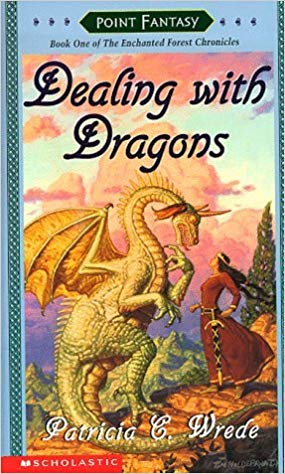 One of my favorite examples comes from one of my favorite childhood books, Princess Cimorene from “Dealing with Dragons.” She feels trapped in her life as a princess and is about to married off to a ridiculous prince, so she volunteers to be a “captive” princess for a dragon and ends up having all sorts of adventures while fending off knights who keep trying to “rescue” her.



 Writing to market also means knowing general audience expectations, likes, and dislikes. Generally, readers don’t have a strong preference for standalones or series, a plot that moves quickly and well-developed characters keeps readers from putting down a book, blurbs and book covers that don’t accurately portray a book upset readers, readers prefer to interact with authors on Facebook more than other platforms, most readers do want to interact with authors, and readers pay attention to reviews.



 Sweet
Sweet No explicit sensuality, kissing and touching is okay but physical descriptions are limited to general terms or are only implied. Physical acts should be focused on the emotional elements rather than explicit description. Off-screen sex is alluded to and left to the reader’s imagination. Think PG-rated movie.
 Moderate explicit content and sensuality. Sex is described, but not in graphic detail. The emphasis stays on the “lovemaking” and emotions, not the act. Euphemisms are more common and many details are left to the reader’s imagination. Sexual tension is used throughout, with more touching and some undressing involved, and there are usually only one or two sexual scenes in the whole book. Think PG-13 rated movie.
 Very explicit sensuality and a deeper focus on sexual feelings, desire, and physical sensations. Sex scenes are longer and may have 2-3 in the book. Character thoughts are focused more on sexual urges and desires and sex is graphically described with specific body part words used and strong euphamisms. There may be light exploration of less-traditional sexual activities. The emotional aspect of sex is still important and should be balanced with the physical sensations. Sex scenes should further the story, not overtake it. Think R-rated movie.
 Extremely explicit sensuality and descriptions with a strong focus on sexual thoughts, desires, and needs. Sex may be the primary focus of the story, but it still has a full-arc storyline and strong emotional elements. Sex often includes non-traditional elements such as light BDSM, use of sex toys, ménage or other forms of “kink.” Profanity is more common and graphic language is used in descriptions. There are usually multiple sex scenes throughout the book. These stories can’t be told adequately without the sexual content. Think NC-17-rated movies.