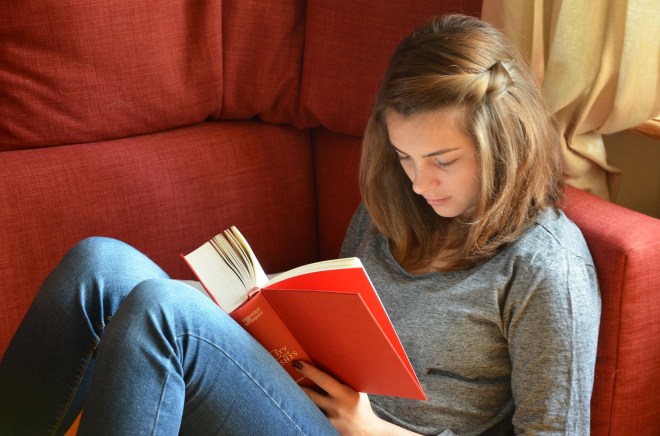
 I’ve been editing a young adult project I wrote a few years back and never got back to, and it reminded me of a comment I saw on social media a while back about whether YA is an age group or a genre.
Traditionally, YA has been categorized based on audience age and the age and experiences of the protagonist. Youth ages 12-18 are the target audience. Themes focus on new experiences and challenges as characters approach adulthood.
As the genres have shifted over the past decade, there’s been some debate about whether YA is still categorized based on character age and audience age, or if it should even be considered a genre at all. It’s more complicated than simply saying it’s one or the other, or should or shouldn’t be.
It’s not uncommon for a teenage character to face challenges and themes that may not be suitable for a twelve-year-old reader. Is it still YA? The fact that half of YA readers are adults shows that plenty of grownups enjoy reading about the young adult experience. Is it still YA if adults are the largest reader group of a particular book? The wide variety of subgenres, topics covered, heat levels, amount of profanity, and character age ranges in YA shows how difficult it is to pinpoint what is and isn’t YA.
I didn’t read Lord of the Flies until I was in high school, yet the characters are pre-adolescent. The content, however, would make it a difficult read for middle grade readers.
To Kill a Mockingbird’s main character, Scout, is only six years old when the book begins, but deals with difficult concepts and themes which apply to a wide variety of readers of all ages.
Fahrenheit 451 is often listed as both YA and adult fiction, and is frequently on high school reading lists. However, almost all of the main characters are all adults and the story deals with complex themes and difficult scenes.
So what makes a book YA, and is it a genre or age range of target readers?
I tend to agree that YA as a genre attempts to pigeon-hole a huge variety of fiction into one category. It says more about the age range of readers someone out there thinks will enjoy the story more than what type of book it is. TO me, that’s not a terrible helpful category. You have to move on to subgenre to figure out what a book is going to be about.
Classifying a book has more to do with the point and purpose of the story than the age of the reader or characters. Does the story speak to the experiences of a young adult? The teenage years are often a time of self-discovery and trying to figure out where you belong in the world. Young adults face a lot of “firsts” that are often complicated to manage and can have a huge impact on the way they see themselves and the world, good or bad.
YA fiction tends to focus on the specific challenges and crises that go along with entering a new world (adulthood, moving towns or schools, first relationships and jobs, etc.), social and emotional growth and development, exploring boundaries (relationships, drugs and alcohol, sex, etc.), and self-discovery.
Of course, many adults face similar issues, which is why the lines get blurred so often between genres, however, teens tend to experience these things differently than most adults. This shifts the focus or perspective of YA fiction. A relationship at 16 is very different than one at 40. The same goes for jobs, school, sex, and much more. The thing is, though, that those experiences are interesting to more than just the teens out there living it because it’s about the human experience.
Despite what genre gets listed on Kindle or Apple Books, YA is more complicated than simply saying it’s a defined genre or an age group. An author may have a specific audience or purpose as they write, but readers take what they will from each book they read and catalog it in a way that makes sense to them. The exact definition matters a lot less than whether or not the story speaks to readers in a meaningful way.
 It’s been a long time since I haven’t had a project that I was in the middle of and felt pressured to finish.
 This past February I started a job as an editorial assistant at a local newspaper. I’ve been writing since I was a teen, and got started publishing fiction almost ten years ago, but journalism is a whole new world of writing for me. I’ve learned a lot so far, some writing-related and some just plain interesting.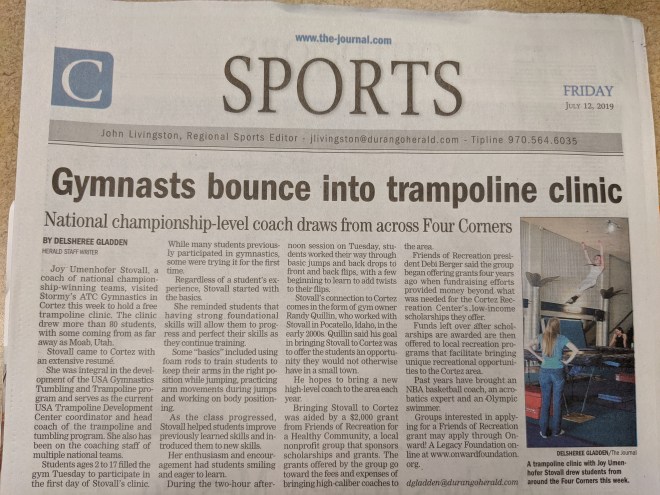
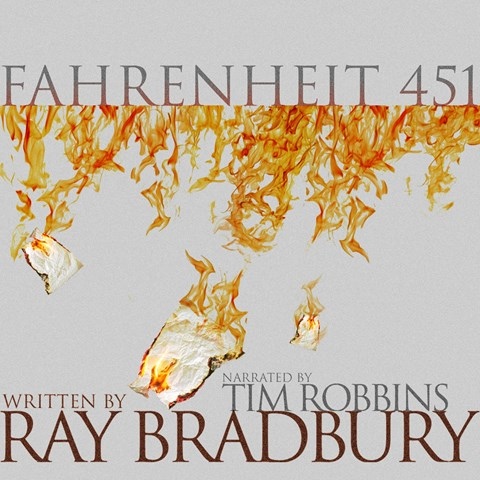 In my continuing quest to read more of the classics, we listened to Fahrenheit 451 on a summer road trip. My kids are 12 and 15, and they really got into the story. It turned out that my son had to read this in school this year, but for some reason I never had to read this in high school. Instead I was slogging through Great Expectations and The Iliad…
 Let me start by saying that after we listened to Fahrenheit 451 we watched the HBO movie version, and I actually enjoyed it quite a bit. No, it was not the original story. That’s okay. BUT…one of the changes we were all most disappointed by was that Guy’s wife Mildred was completely written out of the story.
 Some of my readers probably think I’ve died, or at least been serious maimed and unable to write. I’m not dead. My hands are a bit messed up, but for the most part, still functional.

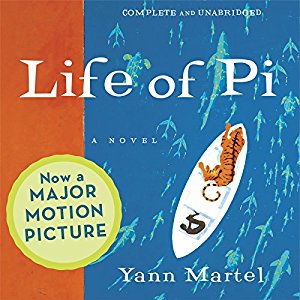 For those who haven’t read or seen Life of Pi, it’s about a young man who survives his ship sinking in the middle of the sea during a journey from India to Canada. He makes it to a life boat, but finds himself in the company of several of the zoo animals his family was transporting…including a Bengal tiger named Richard Parker.
 Infodumping is often a struggle for writers who do in-depth research for a book. You found out all these awesome things about whatever and now you HAVE TO SHARE THEM ALL! Unless you are writing a non-fiction book about your topic that is meant to give a detailed history of whatever, please, please, please for the love of all things bookish DO NOT vomit up every seemingly fascinating tidbit of research you uncovered while preparing to write your book.
 I also struggled to listen at length to the religious discussions, which I usually enjoy quite a bit. I think religion is a fascinating topic and enjoy learning about many different religions. What I didn’t enjoy was, again, too much straight information that took me away from the story, and the sometimes condescending way the information was presented. I don’t hold with any particular religion, but I was still bothered by the sense I got that if a reader didn’t agree with the author’s opinions on eating meat, practicing multiple religions at once, or who or what God or gods might be they were simply wrong or not as smart as the author. I enjoy learning about how others view God, religion, the Universe, etc., but in a way that invites thoughtfulness rather than looking down on others’ beliefs or viewpoints.
 Several years ago on a car ride my family and I started listening to “Unbroken” by Laura Hillenbrand. I downloaded it from Audible after only a cursory glance at the summary and checking the reviews. So, it wasn’t until several hours into the book that my husband and I both turned to look at each other and asked, “Is this book a true story?”
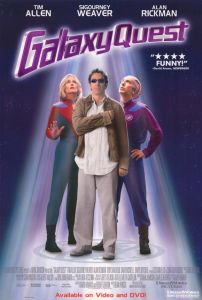 Be mean to your characters all you want. Kill your darlings, right? However, if the end to every situation is a predictable close call or last second escape, readers will not only be annoyed they’ll lose interest. Have you ever watched Tim Allen in “Galaxy Quest”? They parodied this concept beautifully when the alien ship built to model the TV series spaceship is designed to stop its self-destruct sequence at 1 second because “that’s what always happened on the show.” It’s funny because we all now how irritating that “last second” save becomes after a while. While there are rare stories, like Zamperini’s, where people really do beat all the odds and survive the worst situations, most people fail and miss chances and get hurt.
 Louis Zamperini survived an incredible amount of danger and horribleness in his life, BUT there were deep scars left behind because of what he suffered. The last third of the book that deals with the aftermath of being tortured in a Japanese prison camp is very, very hard to listen to because the lasting damage is so real. I’ve read to many novels (especially YA) where the main character has some tragic past or experiences something truly awful…and bounces back like it was nothing. This is not one of those areas where reality needs to be downplayed. Let your characters be as broken as they need to be. Emotional scars are something we all understand. Characters need that element of reality to ring true with readers.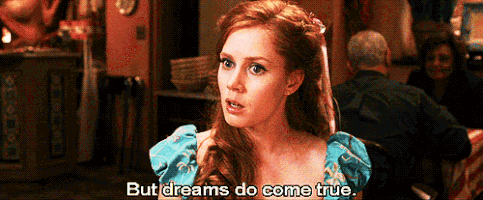
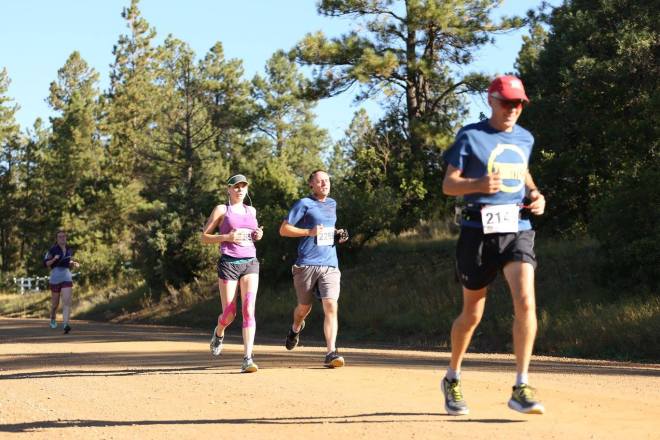



 After running a half marathon, I take a good couple weeks (or maybe a month) off from running. It’s time for yoga, core work, maybe a little biking. My body needs to recover, and honestly so does my motivation.
 In 2017 I’ll continue my quest, and share you all what I’m learning along the way.
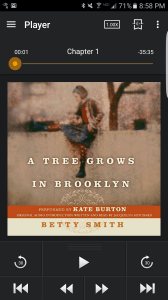 This was a different type of book than I’d normally pick up, but my friend Denise recommended it so I thought I’d give it a try. This is a coming of age story, but it doesn’t really have a focused plot. The reader simply follows the characters’ lives for a certain period of time. I have to admit, it wasn’t one of my favorite books for that reason. I like a clear-cut storyline I can follow.