Last weekend, my husband and I just ran our second half marathon. I intended to write this post after we ran it last year, but that’s how on top of things I’ve been lately!
So, how is writing a book like running a half marathon?
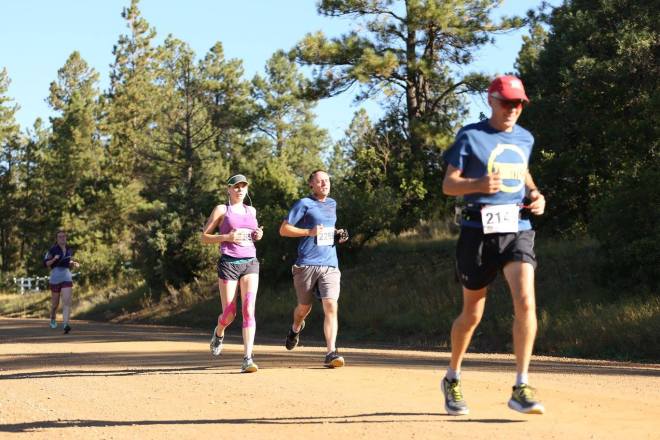
The first few miles of a half marathon are awesome. Your adrenaline is pumping, you’re excited to get the race going, and 13 miles doesn’t sound that bad now that you’ve actually got your sneakers on the course. You’ll definitely beat your personal best, by at least half an hour.
When you first start writing a new idea, it’s exciting and you think feel like you’ll be able to write straight to the end because it’s that amazing! You can sit for hours on end scribbling down witty dialogue and captivating scenes. 300 pages? That’s nothing, right?
The fun and adrenaline starts to taper off somewhere around mile 6 or page 50.
When it comes to running, your adrenaline is pushing you to churn out a faster pace than you’ve ever run before. You’re pretty sure you can try out for the Olympics in a few years. Everything feels amazing. Until it doesn’t.

World and character building has been a rush, and setting up all those clever little hints has convinced you that there won’t be a single reader in the world who will guess the ending. It’s the best opening of a book you’ve ever written or read. Until your creativity takes a nose dive.
That’s when you hit a wall…creatively or physically.
The physical wall you hit halfway through your half marathon is aggravating and painful. Your knees start to ache. Your hip feels like it has no cartilage left. Every step is torture and you’re regretting ever signing up for this stupid race. There’s no way you can finish. Every time a car passes by you hope they’ll stop and give you a ride to the finish line. But no one stops, so you Just Keep Running.
One moment you’re writing like a crazy person…then all the words dry up. Each one feels like you have to drag it to the surface by force. You’re pretty sure you now have carpal tunnel from the frantic writing. Where has it left you? You’ve set up fabulous characters and a storyline no reader will be able to put down, but keeping up the same momentum seems impossible when you move from doling out exciting tidbits to carrying on a consistently engaging story where you don’t lapse into pointless dialogue or never ending description of a walk through the park sounds impossible. But you Just Have To Keep Writing even though you’re now positive the whole book sucks and you never should have started writing it.
Then something changes again.

When you see mile marker 11 come into view and you realize you’re almost done, the tears aren’t easy to hold back. Pain, joy, madness…it’s hard to tell. You’re too dehydrated to cry, though, so you hobble onward with renewed energy. As much pain as you’re in, you’re almost there! You can make it.
With writing, the middle section that felt like torture to write and wanted to throw across the room while crying about how terrible it was…everything suddenly comes together. That chapter where your characters endlessly walked through the park went from being a Tolkienesque history of the trees to a pivotal conversation that helped them solve the mystery for fix their relationship. You know how the story ends now!
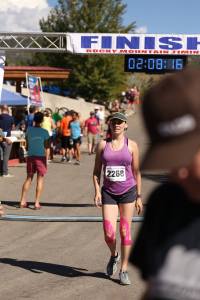
Crossing the finish line, writing the end, both feel incredible…but neither one is really the end because you know you’re going to be sore for a week or have a long list of rewrites to work on, BUT it’s a huge milestone to hit and it was totally worth it regardless of the messy shape your body or manuscript is in.
After our race, we got a breakfast burrito and a beer, which I’ll be honest, sounded like a horrible idea at ten in the morning after running 13 miles (the race was hosted by a brewery), but both were actually much appreciated because I was starving and in pain and food and alcohol proved to be exactly what I needed.
Finishing a manuscript is also something to be proud of regardless of the fact that it might have choppy scenes and stilted dialogue and a handful of hints you forgot to ever bring back into the plot. You started a book. You finished it. How many people have wanted to write a book and gave up after a few chapters? A lot.
 After running a half marathon, I take a good couple weeks (or maybe a month) off from running. It’s time for yoga, core work, maybe a little biking. My body needs to recover, and honestly so does my motivation.
As soon as you type out THE END, take a good long break from your manuscript, too. Don’t even look at it. Think about it, if you want, consider those problem areas and forgotten clues, but leave the book alone for as long as you can stand it. It’s mentally and emotionally exhausting to write sometimes. Give yourself a break so you can come back for the editing round with fresh eyes and some excitement.
Whether you’re running or writing, don’t give up when it gets painful or hard. You’ll learn a lot from your mistakes and be better for it in the end. It took me ten years to publish my first book and a year and a half or running 5 days a week to survive a half marathon. The journey to do something awesome sometimes sucks, a lot, but it’s worth it in the end.
Cheers!

 In 2017 I’ll continue my quest, and share you all what I’m learning along the way.
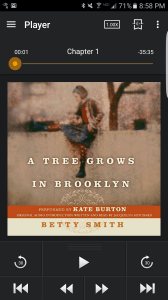 This was a different type of book than I’d normally pick up, but my friend Denise recommended it so I thought I’d give it a try. This is a coming of age story, but it doesn’t really have a focused plot. The reader simply follows the characters’ lives for a certain period of time. I have to admit, it wasn’t one of my favorite books for that reason. I like a clear-cut storyline I can follow.
 This first big change is that I’ll no longer be offering free ebooks on retailer sites like Amazon and iBooks. I’m already in the process of changing free, first-in-the-series books back to their normal prices. Amazon will be the slowest to change, so if you want free books, go get them now.
 The next big change is that I will be pulling my books from the Kindle Unlimited program. I’m doing this for 2 reasons.
 The last major change is that I’m scaling back. What does that mean? I can’t say exactly, except that means I’m going to stop overloading myself by saying yes to too many things and setting unrealistic goals. I need to be able to focus on school this year so I can finish my degree in December and start looking for a new day job, while still having time for family and occasionally cleaning my house.
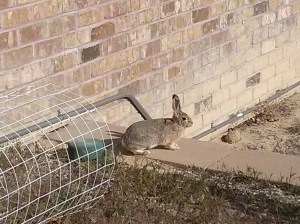 Just to clear up any confusion right off the bat, bunnies are the worst! Sure they may look cute, hopping around with their cotton tails and twitchy noses, but it’s all a trick. They will destroy your grass by eating it down to the roots and by peeing and pooping on it like mad-which also kills the grass. They will also gnaw off the bark of your fruit trees, which is not good for them at all, and those freaky jackrabbits’ giant creepy teeth, I’m pretty sure, could chew through your ankle if it got the chance.
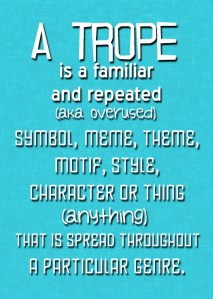 A trope is a familiar and repeated (aka overused) symbol, meme, theme, motif, style, character or thing (anything) that is spread throughout a particular genre.
 Of course not. The key is to use them in their barest form. Strip them down to the essence of what makes readers connect with the trope to begin with, and add from there.
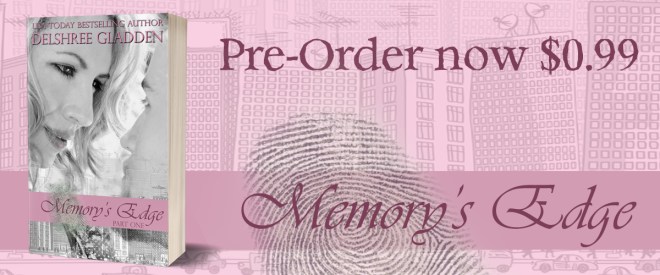 It’s taken me a long, long time to finally get around to cleaning this book up and putting it out there, but Memory’s Edge is finally up for pre-order and will release on Kindle and #KindleUnlimited on August 21st!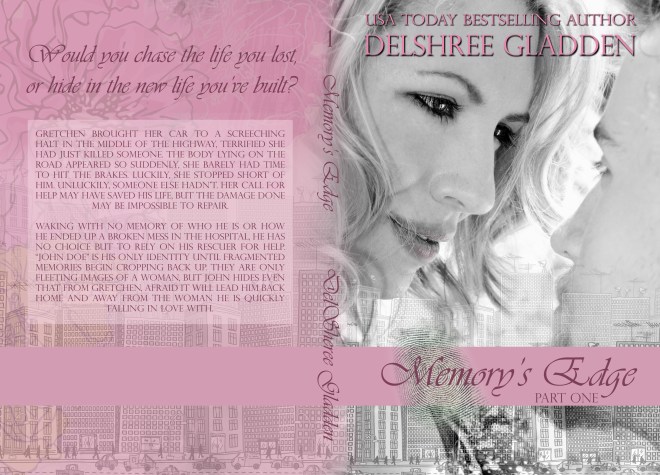

 Now that my kids are getting older, children’s museums offer less and less. Their interest in playing with bubbles or making paperclip helicopters has waned. At almost-ten and thirteen, they want something in between appreciating modern art and crawling through the “pretend you’re a bug” exhibit. They want exciting, yet interesting.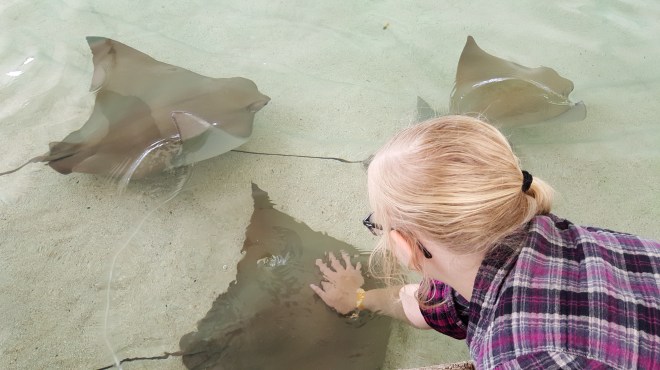
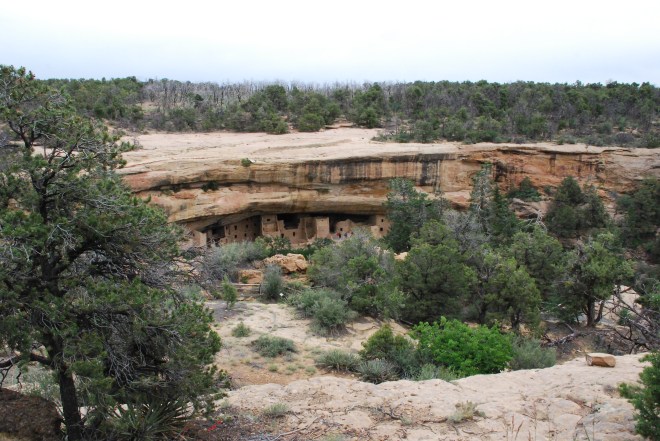
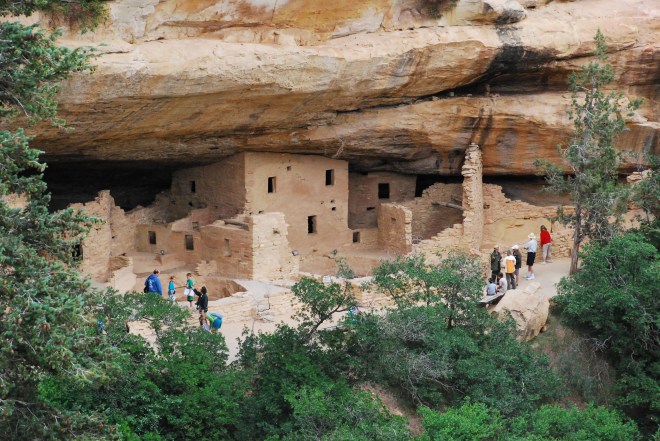 If you’re planning at trip to Mesa Verde National Park and hoping to explore the Spruce Tree House cliff dwelling, one of the largest and most popular cliff dwelling sites at the park, you’ll be limited to viewing it from a distance. Why? While we want all our visitors to experience the cliff dwellings, keeping guests safe is our top priority. Recent rock falls at the Spruce Tree House site prompted the decision to close it to the public for the first time in 50 years.
  That covering worked for two decades, but in 1960, a 10-ton rock fell from the south end of the cliff overhang, hitting the nearby public trail and part of the Spruce Tree House site. Trained climbers pulled down a loose, five-ton rock in danger of falling to prevent it from doing more damage, and cleanup began. The previous covering put over the crack was removed and replaced with an anchoring system that would hopefully prevent the cracks from widening. These 42 anchors, up to 16 feet long, were drilled into the cliff face to anchor the arches in place, then the crack was filled with gravel and cement. This system held for many years, until recently.