The Freebie Debate

Have you ever been perusing Amazon or B&N and saw a book that piqued your interest, but you weren’t sure whether or not to get it?

Large Stack of BooksHow does price affect your decision making?

If it’s free, do you think, “Awesome! I’ll give it a try. If I hate it, I’m out nothing and can move on to something else.”

OR…

Do you think, “I wonder why this book is free? Is it not very good? Can they not sell it? Does the author not think it’s very good either?”

Basically, do readers in today’s market see free ebooks as opportunities to explore new authors, or a statement about how the author/publisher values that particular book?

Whether or not to offer free books has been debated among indie authors for quite a few years. I recently read a blog post about a group of authors who have banded together to vow never to offer free ebooks because they believe it devalues their work and the effort it took to produce it.

Now, I have used free book promotions from the moment I figured out how to get Amazon to price match. Yes, it’s effectiveness has decreased over the last few years because there are so many free ebooks now, but to me, the benefits of having a free ebook available to readers hasn’t disappeared.

Price doesn’t determine the value of a book. I could price all my ebooks and $19.99. That doesn’t mean my ebooks are worth that amount, or that I value the work I put into creating them as more than a book I price at $1.99. Price does not equal value in this case. As an indie author, price is something you can manipulate and learn from. Try one price, watch sales. Try another, watch again. Eventually you find, either through trial and error and/or research, what a good price point is for your genre and book length.

For me, that includes free ebooks.

Why?

For one, I am a reader myself, and I’m timid about trying out new authors. I’ve picked up some pretty awful books over the years, and I’ve randomly chosen amazing ones, too! It’s a gamble every time. Taking away the barrier of price makes it that much easier to entice readers to give one of my books a try. If they enjoy it, I usually get 2-3 consecutive sales on that series, potentially more if they enjoy my writing and pick up another series.

All from one free book.

Did that one free book make readers think I didn’t value my own work? No. It introduced them to my writing.

Creating a Marketing PlanAnother reason I choose to offer free books is because many of my books are Young Adult titles. Teens don’t have a lot of purchasing power in many cases, especially in non-US markets. They can download free books at the click of a button, or read on Wattpad with no restrictions. Many teens need permission and a credit card number to purchase ebooks. That means convincing their parents the purchase is worth the money. That gets easier when they can say they’ve already read the first book and loved it.
Now, I know I’m on my soap box a little, but I think the debate over free books is a frustrating one when argued simply on the “rightness” or “wrongness” of the tactic. Every author has to figure out what works for them and their genre. I’m not telling anyone else how they should run their business or career. This is what works for me, at this time. I’ll change when and if I need to. I don’t need to join a group for or against a particular marketing tactic. I do my own research, including talking to other authors about what works for them, and make my decisions based on that research.

If other authors don’t want to offer free books because it goes against their views, that’s totally fine. Other people won’t agree, and that’s fine too. Just do your research and make a decision based on that and not simply on what someone else tells you is the right thing to do.

MIA…sorry about that!

I don’t think I’ve written a blog post that wasn’t a pre-prepared promo of some kind since the beginning of the year. It’s been a hectic start to 2016, and now that we’re beginning month 4, I finally found some time to sit down to blog.

What has been keeping us so busy lately?

iStock_000024086772LargeThere have been some health issues in our family, we’ve had a huge shift in our spiritual and religious beliefs-which has affected a lot, and I managed to seriously over schedule myself when it came to my writing and teaching schedule. Add in track and soccer, taxes, regular every day family, house, and work stuff, and a few panic attacks thrown in there, and yeah… I feel like we’ve been running since January and haven’t really had a chance to breathe until recently.
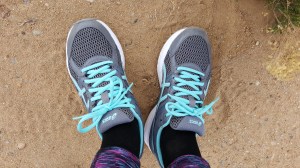
My hubby shouldn’t have to travel again until summer, we have less than a month left of sports events and practices, health issues are under control for the most part, major deadlines were met, we’ve got a plan for fixing up the backyard (yay!), and I’ve decided to go back to school to finish my bachelor’s degree-which will be tough, but will also help improve my work situation. Things are getting back on track.

2016-03-29 08.02.02I’m still writing, which is a huge stress reliever for me. Running keeps me grounded as well-not to mention keeps my back and shoulders from killing me. Writing-wise, I’m working on finishing Wicked Revenge. Personally, I’m looking forward to spending the summer camping and working in the yard with my family as soon as the always volatile spring weather of New Mexico figures its crap out and decides to warm up.
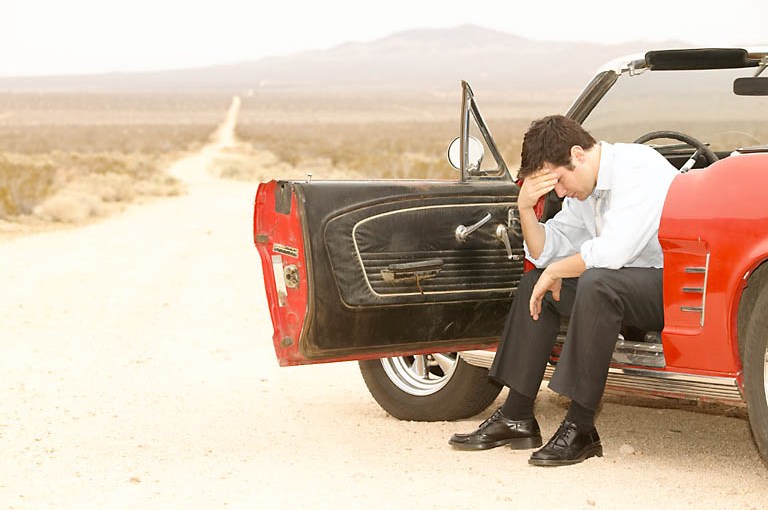

If you have tips on keeping the crazy under control, I’d love to hear them 🙂

The Myth That Is Writers Block

Yes, I called writers block a myth. Why? It doesn’t exist. Not in the sense of it being some magical, unstoppable force that keeps writers from being productive.

What IS going on then when a writer sits down to write and can’t seem to get a single word down on paper? It’s usually one of several things we all experience at one time or another.

FEAR

bb5f5-clock2balarm2bclockThis happens to me every time I start a new series or have to end a series. Doubts of “will it be good enough?” or “what if this fails miserably?” stall out my desire to write. I’ve gotten a little better about this over the years, but it’s still a tough thing for me.

How do I combat this? Deadlines. I don’t have time for self-doubt if I’ve already set up blog tours or paid for promotions on a certain date, or even just publicly announced the release date. Deadlines get me moving like nothing else.

BURN OUT

Beach SceneDoes the well of inspiration feel like it’s dried up? It probably has, but not in the form of writers block. Creative work isn’t easy. You need a break every once in a while. If you’ve been pushing and pushing, yeah it will definitely tax your mind until it simply refuses to produce anything of quality.

Best way to combat this one? TAKE A BREAK! Go read a book or watch a movie. Get out of the house and go for a walk. Get some fro-yo. Do anything BUT write for a while. A day. A week. A month. Whatever it takes to get your head space cleared out and ready to be creative again.

OVERLOADED

Most writers have more than writing to worry about. They’ve got bills, family, day jobs, health issues, etc. Stress is not conducive to creativity. It’s draining. I only work part time right now, but my husband also loves writing but has been super stressed out at work lately and he can attest to the fact that a lot of days he just doesn’t have the mental energy to write in the evenings. It happens.

While it’s impossible to completely clear away all your stress, taking some time for yourself can help. Yoga, meditation, horseback riding, whatever it is that relaxes you. Give yourself time to get away from everything. Maybe this just isn’t a time of your life where writing fits in. While we were selling our house and buying our new one, I didn’t write for six months. There wasn’t any time and my head just wasn’t in it. That’s okay.

OUT OF PRACTICE

Open Blue BookWriting is a skill, but so is creativity. You have to exercise that part of your mind by doing it regularly. There have been studies about how your brain can be trained to be creative at certain times based on routine.

What does that mean? Write often and if possible, write on a routine basis so your brain power is ready to be focused toward creating at a certain time. If that’s not feasible for your life, try a pre-writing routine to get yourself ready, like deep breathing exercises and stretches prior to a yoga class.

While I don’t believe in writers block, there are certainly factors of life that can make writing difficult. It IS possible to work around these problems and get back to creating.

Deadlines, Summer, and Catching Up

I like having a routine, a schedule. I don’t get things done without one.

Summer usually decreases my productivity significantly. Not just writing, but cleaning, weeding, organizing, etc. The kids are home, projects around the house and yard on going on, trips are taken, a million random things need done and distract you from your original tasks, and on and on.

79420-calendardeadlineI need deadlines.

Some people don’t work well under pressure. For me, it’s the only way I get anything done sometimes. Those deadlines might be more vague like, the kids get home by 3 o’clock. I need to finish this chapter by then and get the dishes in the dishwasher. Or they might be more concrete, like when my publisher wants edits back by a certain date.

The first half of this year we were selling and buying a house and moving. That pretty much takes up all your time. I didn’t get much writing done and release dates I had a vague imagining of drifted past unnoticed. Then summer hit. We’ve been out of town more then we’ve been in town it feels like. I had extra classes I was teaching and the kids had activities and my husband was super busy at work.

The writing I did was sandwiched in between other things and done late at night when my husband was out of town and I was too chicken to go to bed by myself. I worked on half-finished projects from last year that had been abandoned or never started, but I was scattered and distracted easily.

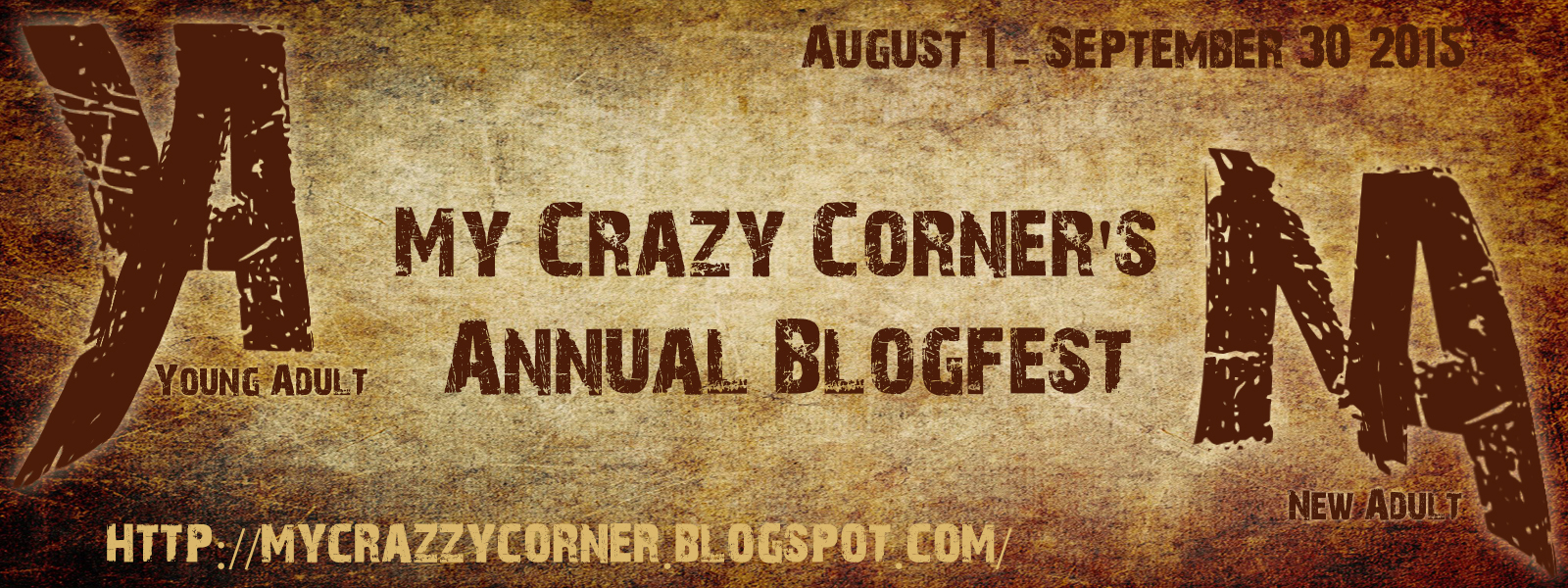
Blogfest Banner 28 DaysOne of the projects I wanted to get back to was The Ghost Host, but I was having a hard time focusing on it. When my good friend Apryl Baker put out the call for her annual YA/NA Blogfest this August/September (GOING ON NOW!!) my first thought was to feature something already finished. Less stress on me, right? Sure, but also a heck of a lot less projects getting wrapped up.

Even though I still had about 25% of The Ghost Host to write, not to mention revisions and editing, I signed up the Ghost Host as my featured story and told myself that whatever day Apryl gave me, that would be the pre-order release date. With as hectic as things have been lately, I knew I was taking a risk, but guess what? IT WORKED.

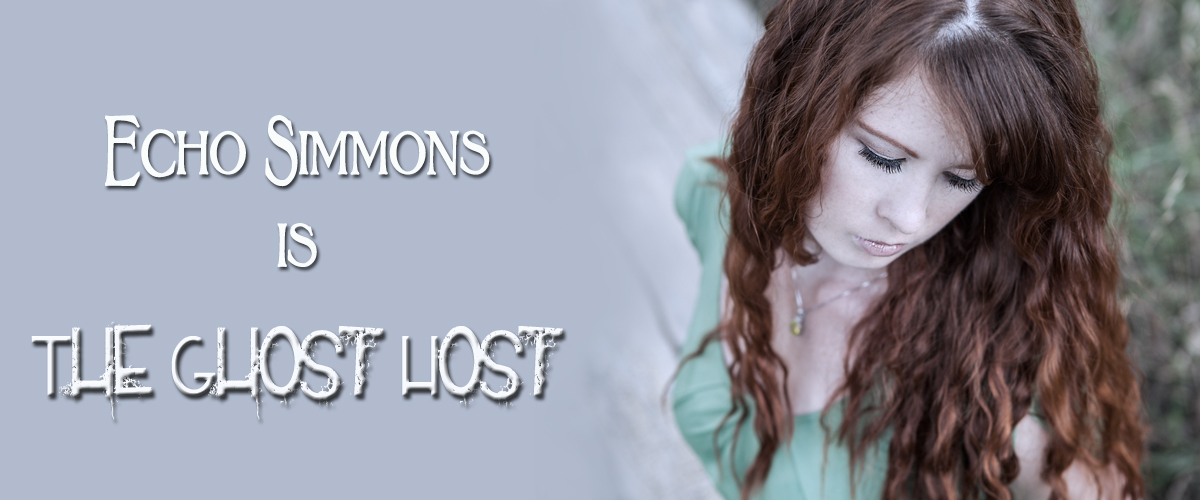
Echo The Ghost Host NEWAfter getting the date of Sept 2nd from Apryl, I got to work and finished the last quarter of the book in about two weeks. It’s off to beta readers now and it looks like I’ll make my pre-order date of Sept 2nd and release date of October 6th, 2015. Thanks to my awesomely talented photographer sister Kassondra Sturtevant (Mystereah Photogrpahy), I also have a new cover model and was able to finish the cover art. You can get a sneak peek of THE GHOST HOST on the YA/NA Blogfest Sept 2nd.

I’ve always known that I work better under deadlines, but I guess I’ve just been lazy about actually setting them and making myself stick to them. I have a lot to catch up on, so that’s going to change. In the hopes of being more productive, I’m going to push myself a little harder. Readers have been asking me when on earth I’m planning to release Wicked Revenge and even though I’m not going to make an October release because I already have two other books releasing that month (The Ghost Host and The Only Shark In The Sea), I am now determined to have Wicked Revenge out before Christmas.

The third Escaping Fate (Oracle Lost) has also been requested and I’m setting a firm time to have it ready by March 2016.

Somewhere in there the fourth Date Shark book (Shark In Troubled Waters) will also come out, but that one’s up to my publisher.

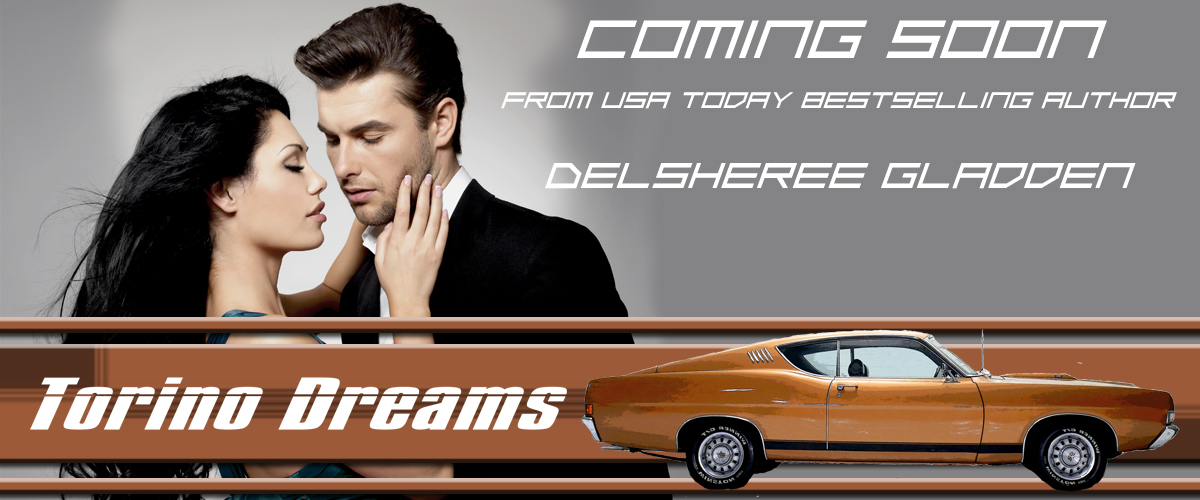
Torino Dreams Coming SoonSince Torino Dreams is a standalone and I only need to make a few small revisions to that one, I’m going to start prepping for an early February 2016 release.

Memory’s Edge needs a sequel and I want to release them close together, so my plan is to set a deadline of having the first draft of the sequel to beta readers by the beginning of March and to release these two in April and May 2016.

Clearly, I have a lot of work to do, but setting deadlines is going to force me to stop wasting time on Facebook and get some writing done. Wish me luck!

Things You Learn While Teaching Writing to Teens

For the last week I’ve been teaching a creative writing class for our local community college’s Kids Kollege program. This is the second writing class I’ve taught this summer and I’ve learned some interesting things.

ghosts hand Kids are dark!

Aside from George R. R. Martin, you’ll rarely find a group of writers so willing to kill off every single character. Whether this is a Diana Barry issue where she just didn’t know what to do with her characters after a while and simply killed them all off, or these kids are simply venting their frustrations with life…there’s lots of death, and revenge, and suffering!

Kids are silly 🙂

Right after killing off all, or the majority of, the characters, Mickey Mouse will make an appearance, or a gruesomely bloody scene will turn out to be Ketchup, or Miley Cyrus in drag has become the main character. You really have no warning of who might make a cameo with young writers and I think that’s awesome.

Kids find it tough to share.

The first class I taught, it was a race to share what they’d written for their daily writing prompts. In the class I just finished, it was like pulling teeth the first few days. Why the difference? The first class was smaller and the group immediately clicked and found a lot of camaraderie. It boosted their self-confidence to be in a class with like-minded kids who loved to be crazy (and loud). The second class was almost twice the size, so making those connections was more difficult. They were also a quieter group overall, so feeling comfortable sharing something so personal was tough for them. It took a lot of encouragement and positive reactions from their classmates and a few outgoing students who took the first leap and shared before some of the others felt confident that they were in a safe and positive environment.

Boy posing with arms crossed

Kids are observant, more than you might think.

We had a great discussion about what makes either a good or bad ending. My students may have still struggled here and there with writing endings to their stories, but they do know exactly why they DO or DON’T like the ending of books they’ve read. They hit on everything from pacing to excitement level, confusion vs. over-explaining, and whether or not the twists and conclusions make sense.

Kids are drawn to first person narrative.

Any time I talked to the students about point of view the majority said they preferred to read and write in first person. Why? Because you got to be in the character’s head more and experience their emotions better. If I asked them about why they like to write in general, most said it was to express themselves, their emotions and thoughts particularly. Notice a pattern? I happen to feel the same way, but it definitely showed why first person narrative has been on the rise.

Kids are eclectic readers.

When trying to find examples to discuss for characters, setting, or plot, it was tough to find a common book to use because their reading tastes are all over the map! In both classes there was a huge variety of books being read, everything from the Chronicles of Nick to the Mistborn Trilogy to The Mazerunner to Lemony Snicket. They love variety and they seem to love having the freedom to bounce between genres and themes. They’ll eat up anything with a solid and interesting story!

Even though I was the one teaching the class, it was so neat to learn from them!

Creating a Protagonist With Depth: Part Five

If you haven’t read the first three part in the series, you can find Part One HERE, Part Two HERE, Part Three HERE and Part Four HERE.


Now let’s discuss how to make your characters fail in a way that makes them better.


iStock_000024086772Large

Failure

Just like nobody enjoys a perfect character, no one likes a character that always makes the right choices and succeeds
If your character always succeeds, where’s the tension, the worry that they might fail? Without that, readers get bored.
A story needs fear that the character will fail/die/be beaten in order to keep readers flipping pages.
Even if they think they know where the story is going, they want to find out how they’ll get there


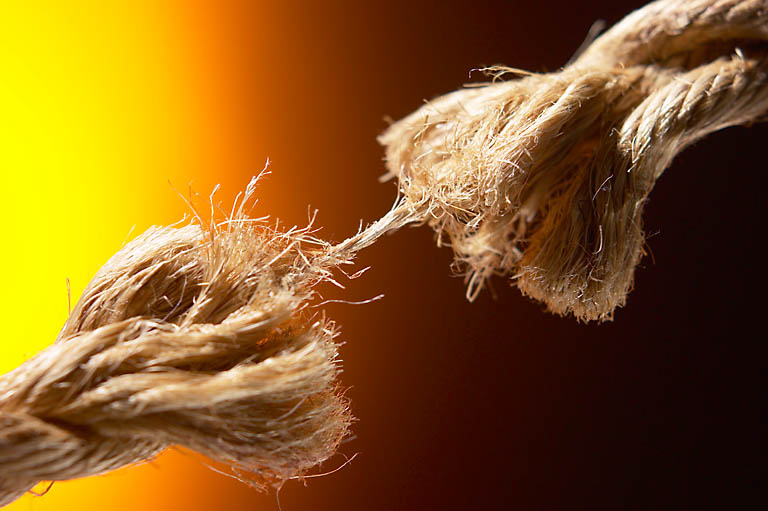
 How do you make them fail? Rope 2

Look back at their list of faults and flaws. Which of those can you use to put them in a situation where making the right choice will be difficult?
In “What We Saw At Night” Allie doesn’t tell the police what she saw because she’s afraid of getting in trouble for being somewhere she shouldn’t.
Why was she out at night? Because she has a severe sun allergy and has started taking risks because she thinks she won’t live very long.


hand over mouthHow do you avoid nonsense failure?

Does it make sense in real life?
If some guy told you he was sneaking into your room to watch you sleep at night, you’d freak out. Bella, though, was totally cool with it, which has garnered criticism.
Would two parents ever actually split up twin girls and never let them see each other for their own selfish reasons like they did in The Parent Trap? I highly doubt it.
When helping characters make decisions, make sure there’s a good reason for what they choose. Lean on that backstory you crafted.
Do their fears influence them?
Have past hurts caused them to mistrust others when they shouldn’t?


What character failures have left an impression with you?


Where Does Your Book End…Literally

Many writers start a project with an end goal in mind. Even those of us who are pantsers (write by the seat of our pants) tend to know generally where our story or book will end. Those who outline and thoroughly plot know exactly where their story will end.

Globe2I’m talking in terms of the end goal of the plot. Will the MC meet their goal or fail so spectacularly that readers will be hard-pressed to forget? This is important. VERY important. Having a weak ending or no ending at all is a major turn-off for readers, but that’s also another discussion all together. What I’m talking about today is where your book ends physically.

How many of you decide or even just consider the physical location where your plot will come to fruition?

You may be asking if it really matters. It does. A lot.

Let’s Consider Neo and the Matrix…

MatrixThe final fight scene in the matrix blew people away when it originally hit theaters in 1999. The special effects have been copied over and over by now, but the bullets halted mid-flight and Neo’s ability to move like the Agents wasn’t the only thing that made this final scene so memorable.

Setting had a huge role to play as well.

The end goal of the plot in Matrix was that Neo realize he is “The One” and figure out how to defend the freed humans against the machines. Fabulous plot, but what would that final realization have been like if Neo had reached it outside the Matrix?

Not nearly as impactful.

Neo being pretty much dead and losing hope while faced with his enemy, inside their fabricated world — of which he has little control of at this point — while his mentor is being tortured in that same building, and no chance of escape…well, that’s a pretty bad place to be, right? The exact kind of place he where you either need to dig deep or give up. Being outside of the Matrix, relatively safe and surrounded by people who are trying to help him…what would have pushed him to find his true strength? Neo realizing he was the one person meant to save the humans wouldn’t have had anywhere near the same effect if it had come over his morning bowl of mush as he worried about Morpheus having been captured.

Where your final scene happens should be connected to your character in some way.


Is it a place from their past, something symbolic of what they’re trying to overcome?

Such as a childhood home or the location of a traumatic experience, or perhaps a place they once loved and they return to at the end of their quest to put their life back together? The location should be relevant to your character’s history and journey.

Has it been previously referenced?

Ending up somewhere that readers are familiar with, even in passing, will mean more to them than a brand new, never before seen venue. Foreshadowing is a great tool in setting up the final location where the book will take place. A brand new location risks seeming irrelevant to the reader, and may not be the most logical place either.

Does the location make sense for what’s going to happen?

If the final scene is a verbal confrontation (Ex: standing up to a tormentor), think about what type of space will make this more intense. Wide open areas provide room to escape or avoid while small spaces may pin the character into the situation until it’s resolved. Public locations vs. private ones can have a great impact as well. A public location means there will be witnesses. Will there be action involved? Will they be on the move or stuck in one area? What obstacles will the location provide?

Is there meaning behind the setting?

Whatever setting you choose, there should be a reason for that choice. Think about your character arc. Where did this character begin emotionally, mentally, physically, and in reference to the overall plot? Where do they end up? Does your final setting reflect the changes your character has made during the journey that is their character arc. A character arc should come full circle. Setting should as well. That doesn’t mean your final scene should be in the same location as the beginning scene, however, the final setting should be chosen just as carefully as the initial setting was chosen. It needs to reflect what the character has overcome and what their future may hold.


What final scenes of books or movies have stuck with you, thanks in part to the setting?

Creating A Protagonist With Depth: Part Four

If you haven’t read the first three part in the series, you can find Part One HERE, Part Two HERE, and Part Three HERE.


Now let’s discuss how to fill out your character with some backstory, faults, contradictions, and conflict.

iStock_000014115888LargeBackstory

Now that we have the basics of your character and who they are at the beginning and end, it’s time to fill in the middle.

We do that with backstory. Why is your character the way they are?

Remember those personality flaws, fears, and annoying habits you created earlier? Now it’s time to find out where they came from.

The reason behind the flaw is what makes it interesting.

Ex: Lena from “Beautiful Creatures” is afraid of falling in love because of the curse on her family that tells her she’ll turn evil and hurt the people she cares about.
That’s more interesting than just being too shy to ask a guy out.

Like an iceberg, most of the backstory you come up with will never appear on the pages, but it will make your character who they are. 


Depressed young homeless womanFaults

Nobody likes perfect characters. They’re boring.

Every character needs a few faults.

Make a list of 5 faults your character has – let’s go deeper than not being able to make a free throw.

Personality flaws: unreliable, eccentric, immoral, volatile.

Fears: common or complex – Indiana Jones’ fear of snakes got him in trouble a few times.

Weaknesses: unemotional, domineering, perfectionist.


IMG_0454Contradictions

Faults aren’t enough. Your character needs to be contradictory at times.

Why? No real person behaves the way they should all the time.

We do things we know are wrong, go against our own beliefs, and do the opposite of what we intended to do.

This can go the other way too. Does your bad guy had a soft spot?

No one is all good or all evil. Your characters need to have a mix of both.


Man with SwordConflict

Every good character needs plenty of conflict, not just from situations they find themselves in, but internal conflict as well.

Go back to your list of fears…

Which of these fears will your character face and try to conquer in your story?

While trying to overcome the main conflict in the story, your character must also overcome internal conflicts that are holding them back.

If they don’t, their character arc won’t be completed.


Full, rounded out characters can make or break a story. Giving your character a life outside the story will help them come alive on the pages for your readers.

Making Pizza and Pleasing Readers

9e9dd-largestackofbooksUsually, I don’t read reviews of my own books. It’s better for my sanity, even though I usually have pretty good reviews. It’s hard not to read a review when a reviewer sends you a direct email to tell you they didn’t like the second book nearly as much as the first and includes a link to their two star review that contains their opinions on the quality of your characters and story. I told her I was sorry she didn’t enjoy the book, but thanked her for taking the time to review and left it at that.

Compared to the 70 5-star reviews on this particular book, this one shouldn’t bug me, but it was kind of bumming me out. Not necessarily because it was a bad review, but because I felt like I had let this reader down. Honestly, it was really getting me down until I started making homemade mini pizzas one night for dinner.

Sounds totally random, right? 

Let me explain. 

Not only were we making mini pizzas because I thought it sounded like fun, but because it’s the only way everyone can actually get what they want on their pizza. I love Hawaiian pizza. My kids think pineapple on pizza is the weirdest thing ever. The kids and my hubby like sausage. I don’t. My daughter has something against pepperoni. My son refuses to eat olives. Solution: Mini Pizzas topped by whoever’s going to eat it.

What does this have to do with writing? 

I know you can’t please every reader. I’ve heard it a million times. I’ve said it to other people at least half as many times. I know this is true.

But I didn’t really know it, know it until I was making pizzas that night and trying to get my kids to put all their toppings on without making a huge mess (failed on the mess part). I looked at our lovely pizzas…

2015-03-09 17.32.04

…and that’s kind of when it hit me. You can’t please everyone and that really is okay. Heck, I can even get four people to agree on pizza toppings! What chance do I have of getting every reader who picks up one of my books to think it’s awesome? Clearly, not going to happen because everyone has different tastes and interests when it comes to books.

This particular reader wanted something different than what I provided. I wrote the best book I could, and a lot of people have really enjoyed it. She didn’t. All I can do is shrug and move on. If I tried to write every book so every person who read it would be perfectly pleased with it, I would lose my mind. I feel like my head might explode just trying to contemplate such an impossible feat.

I’m proud of how this book turned out. I wrote it in a way that I felt was true to the story and characters. Had I written it any other way, I would have disappointed myself, and that would have hurt more than a few not-so-great reviews. Yes, it’s disappointing that this reader didn’t enjoy the story. I hope she finds another series she falls in loves with. We didn’t click on this one. I can’t do anything about that. What I can do is keep writing the kind of books that I feel proud of when I put them out in the world for readers to eat up. That’s really all I can do, and I’m okay with that.


Connect with me online:

Facebook: AuthorDelShereeGladden

Twitter: @DelSheree

Pintrest: DelSheree

Google+: DelSheree Gladden

The Plus Side of Insomnia

I had some book goals for the beginning of 2015…and then my husband and I decided to sell our house, so everything book related happily got put on hold in the face of the excitement of moving.

We’re all pretty pumped about moving next month. Fingers crossed everything goes smoothly!
giphy

So, back to insomnia.

Moving is stressful. Well, trying to sell your house and keep it clean with two kids and a dog who is constantly eating crap he should and having…shall we call it intestinal troubles?…that’s stressful. My hubby and I had a tough time keeping up with that in addition to all the other craziness of inspections, offers, surveying, and on and on.

You’d think all that would make you fall asleep as soon as you hit the pillow, but not so much. When I get stressed, I don’t sleep well.

What do I do while I’m lying there staring into the darkness?

PLOT

Sounds ominous, right? I’m not talking revenge or mayhem. I’m talking BOOKS.

With all the hoopla of the last few months…

giphy (1)

I haven’t done much writing, or marketing, or anything actually book related. The last week or so, with all the insomnia I’ve been having, I have at least had the chance to work out the kinks I had been stumped with on The Ghost Host.

Ghost Host Title

What’s been bugging me about The Ghost Host?

Trying to capture the decision making skills of a troubled 18-year-old girl on her own for the first time.

She thinks she has things under control. Her friends are with her. A guy she really likes has promised to protect her. She and the ghost who’s stalking her seem to be on decent terms for the moment, and the FBI is actually looking like a good move.

Echo doesn’t actually have anything under control, and I was too the point in the story where things needed to start unraveling but I wasn’t sure how to do that. How exactly does a girl in that situation react when her first boyfriend, first time on her own, first kind of job, and first time trying to handle the ghosts on her own?

I finally figured it out.

She makes a lot of mistakes.

So, now that I’m finally making progress on The Ghost Host again, I can hopefully finish the last quarter of the book a start making plans for a summer release.

So, keep checking back to see what trouble Echo and the ghosts manage to get themselves into.