
Setting has several major components, most of which are at least somewhat interconnected.
It’s important to consider all aspects of setting and how each element will impact the story or characters.
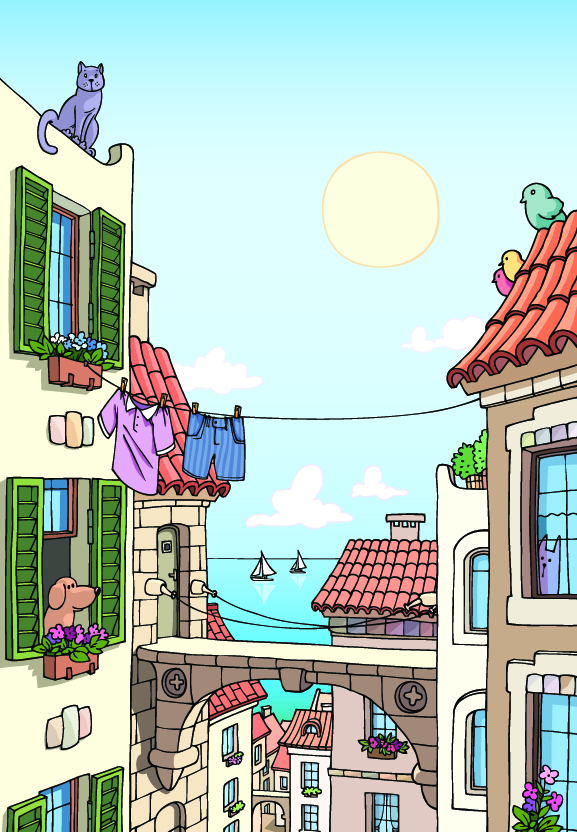
Social environment
The social environment a character inhabits affects their place in society, how she view herself and how others view her. It can impact confidence and expectations the character holds for himself or that others hold for him. A social environment can be encouraging and supportive or destructive and hindering.
It’s also important to consider the stability or chaotic nature of a social environment. Instability may breed disillusionment and rebellion while stability encourages things to stay as they are and may either be peaceful or boring.
Place/Location
Where a character lives or was raised will impact how she thinks and what she values. Consider how the land and nature has impacted her life, or how a lack of either may create a sense of fear or longing.
Location also helps determines what hobbies, skills, or habits a character might develop. City dwelling requires different survival skills than country living and classical ballet may not have been an option in a small, rural town.
Place is also important in determining what a character has learned to value. Aspects to consider include, family bonds, responsibility or duty to the community, obedience to elders or leaders, respect for other cultures, etc. Think about what experiences a particular place would have available that will influence developing values.
Time
Time period plays an integral part in creating an accurate and believable setting. This is easier when dealing with the modern world, or a time period you personally experienced.
When writing in a time period not modern or not personally experienced, it is important to thoroughly research the technology, politics, fashion, slang and speech styles, important historical events, differences in geography or town/city structures, etc.
Every time period develops its own social and political culture that is created by a variety of factors. Become familiar with those factors in order to accurately portray a specific time period.
This type of research is also important to know because it will impact the character. Certain concepts and ideas were not widespread or commonly understood in one period versus another. Some ideas, freedoms, or information were simply unavailable in certain time periods and will affect how a character views his or her self or the world.
Mood/Atmosphere
Whether mimicking a real setting or creating a fictional one, mood and atmosphere need to be considered in order for a scene to connect with the reader in the way you want it to.
Determine what type of mood and atmosphere will best serve the scene, then break down what will help create the right mood and atmosphere. Factors may include, weather, decor, time of day/night, sounds, lighting, colors, formal or informal environment, other people in the scene, topic of conversation, and more.
Climate/geography
Weather and geography can influence both the storyline and a character’s thoughts or actions. When writing a scene, consider whether the climate and geography will help, hinder, or remain neutral.
A neutral climate or geography will have little to no impact on the events or actions of the scene. In this case, neither is usually mentioned more than in passing.
A helping climate or geography will provide support to the purpose of the scene, whether that be physical, emotional, or mental. Good weather and a pleasant geographical area can further deep thinking, romantic opportunity, or clam reflection. Bad weather or rough geography can also be a help if it pushes the story in the desired direction (seeking shelter together or providing strenuous activity to clear the mind).
A hindering climate or geography will frustrate a goal or action, through ultimately continue to advance the storyline. A storm might knock out power when it’s needed most or a swampy landscape might make tracking a suspect slow or impossible. While actions or goals might be temporarily hindered, they should also provide opportunities for progression and growth for the character, such as overcoming a fear or physical limitation.
Politics/culture
A character’s political views and cultural background greatly impact how he sees himself or the larger world. It is important to consider how a town’s or region’s politics and culture intersect with a character’s goals, decisions, relationships, career choices, etc. Some areas have strong and specific cultures, which are often intertwined with political ideals. Other areas have more general cultures and political ideals, so individual family culture and politics may play a bigger role in a character’s development.
Young minds are highly influenced and the political and culture environments a person grows up in helps to shape their personality and worldview. A major point of conflict in a story may revolve around overcoming closely held views as a person grows older, experiences a new culture of political view, or faces a personal crisis.
Fully exploring these aspects of personality and character development can help you create a deeper character that connects with readers on a more profound level.
History
History should be considered on a personal, local, and macro level when developing setting.
A character’s personal history with a setting can deeply effect how they view that location and may change some aspect about their personality when they are in that location, such as going how to an abusive environment.
Towns or neighborhoods have specific histories as well. How a neighborhood developed within a larger city might have to do with its ethnic or racial background, or may be more closely linked to career or trade. Natural disasters or community tragedies will also affect the culture and atmosphere of a place.
On a larger scale, major events within a society should be considered when developing setting. What changed about New York post-911 or in elementary schools during the COVID-19 pandemic? What are the lingering effects still seen in New Orleans form Hurricane Katrina? Has the BLM movement changed the way some town and neighborhoods interact with police or racial groups? Some authors choose not to address such issues in order to avoid dating a story, but that often proves impossible. If an large-scale issue impacts setting, thoroughly research the issue in order to portray its effects realistically.


 Setting affects how a story progresses. Location can be a hindrance to or facilitate story progression. Consider how the chosen scene can be interacted with by the characters, how it might change actions or decisions, or how it affects the characters in the moment.





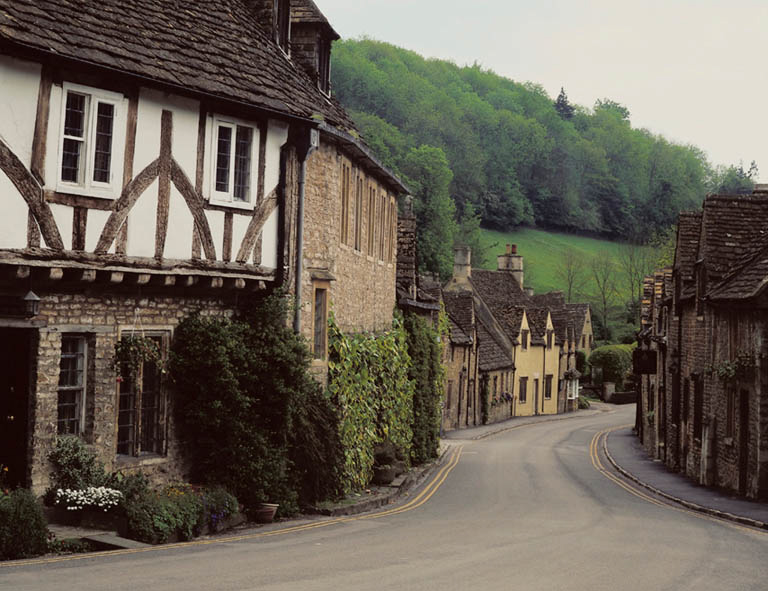 Creating a fictional town is definitely the most involved type of worldbuilding in contemporary realistic fiction. You’ll draw from real places with the goal of developing something new and interesting. A huge benefit of making up a location is that you aren’t bound by anything. Another benefit is that you won’t spend hours researching a real place and worry about whether you’ve portrayed it correctly. A fictional location allows you to build the exact setting you need to develop your plot and characters.
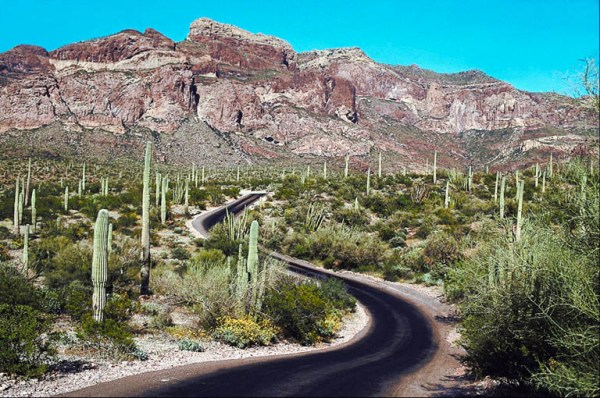 Start off based in reality. For those who’ve watched Twin Peaks and paid attention to the opening credits, the welcome sign claims the town has 51k people, yet everyone knows each other and there seems to be only one restaurant. Take the time to research town sizes and amenities in order to make sure everything lines up.
 Whether you’re creating a fictional town or using a real town, you still need to develop the small-scale details of the neighborhood or apartment building your characters inhabit.
 Thinks Friends when you’re creating your characters’ daily habits and local haunts. Who’s apartment/house does everyone tend to hang out at and why? What features make it desirable? When they’re out and about, where do they often stop for coffee or to catch up, and how does that environment help the story? If characters need a quiet place to trade secrets or go over plans, a busy, noisy coffee shop might not work as well as a used bookstore.
 Similar to building a neighborhood, it’s important to develop the work or office life of a character. How much it needs to be developed depends on how important it is to the story. If a character has social anxiety, a busy and fast-paced office will provide conflict. If a teen character is itching for excitement but works at an outdated video rental store only a few old people visit every week, that also provides conflict. If work is only mentioned in passing to acknowledge that the character does indeed have a job, minimal development is needed beyond the fact that it eats up a large portion of their time and provides an income.
 A very important, overarching detail to develop is how your MC relates to the world. This is most often going to develop from backstory. Some writers develop the backstory first while others let it come to light as they write. The important thing about backstory is that it forms a starting point for your character and helps determine an end point.