The Long Story: Part 4

Reassembling

Because so much of my identity has shifted over the past few years, I need and want a fresh start with my writing career. I’m willing to lose a boatload of reviews and ranking to achieve this, because I feel confident that dismantling and reassembling my author platform will be truer to who I am and what I write in the long run.

Part of the fresh start I’m making is changing my author name and opening a small publishing company. The publishing company will not only serve as a platform for republishing my books, but I will also take on one writer at a time to help them develop their writing in a mentor-based publishing process (more on that later).

There are tax-based reasons for republishing my books under my new company (DelSheree Press LLC), but more than anything it’s about treating my writing as a professional career and consolidating everything I do with books, writing, coaching, teaching, etc. into one space where I can represent myself and authors I work with in a professional manner.

My plan for my own books is to go back through all 34 of them, series by series to reevaluate the stories and characters for structure and craft issues, ideas and values that don’t sit right with me, relationships that need revisions, and cover art that needs updated.

Here’s a look at what I have planned (in order) and issues I know I need to work on:

  • Date Shark – relationships, representation of sex, possibly cover updates
  • Eliza Carlisle – relationships, depth of mystery, revise/expand novella, cover updates
  • What Had to Be Done – relationships
  • Torino Dreams – relationships, clarify setting
  • Memory’s Edge – relationships, clarify setting, possibly update covers
  • Handbook – relationships, humor, new covers
  • Aerling – clarify setting, fix plot issues, intentional revision of relationships, new covers
  • Some One Wicked – relationships, psychology of characters, series title change, address drop-off in readers between books 1 & 2 (?), new covers
  • Destroyer – review plot for continuity, relationships, new covers
  • Escaping Fate – relationships for sure, review plot for continuity after planning out remainder of series ideas/world concept, new covers
  • Ghost Host – rename individual books, plot continuity, relationships, realism of connection to FBI, new/revised covers
  • Life & Being – plan out series concept/world and revise as needed, relationships, cover update and series plan
  • Twin Souls – revision of setting/cultural aspects, review plot for continuity, new covers
  • Child of Destruction – build out world and revise, relationships, potentially get rid of love triangle aspect, new cover, actually publish this one and decide whether to write book 2 or wrap in one standalone book

Ideally, I would like to have this done by the end of 2026, but I know that is probably unrealistic. It will depend on how much rewriting I end up needing to do on individual books. Then there’s time to actually do all of that and funds to pay for various services I’ll need along the way.

Most likely, it will take me two years to get through all of these. Even though I look at writing much more seriously than I used to, I have many other aspects of life that also need my attention. My two children are now in college, but I have learned that adult children still need you just as much as they did when they were little. I also have three wonderful and busy step children and I try my best to be there to support them in their interests and activities as much as possible. I’m married to a wonderful man who has his own goals and interests that I want to support those however I can as well.

I teach also high school full time, host a weekly radio show called Write On Four Corners (which I love but takes quite a bit of time), coordinate a monthly lecture series called Write to Publish, and will be adding the new adventure of opening DelSheree Press in 2026. Time is at a premium for me right now, and my goal is to use it wisely to balance time with family, work, and, my writing/publishing pursuits. This has never been an easy thing for me, but I’m getting better at it the more I make balance a priority.

I am working on several fiction projects right now, but the first book I plan to publish in 2026 is a nonfiction book based on a workshop I have taught several times. I don’t have enough time to teach extra class right now, but I want to continue to help authors. This book will help me do that. The working (maybe final?) title is “Start Here: An Introduction to Indie Publishing.”

After this post, I’ll return to posting monthly-ish or when I have something interesting to share.

I’ll share more in the future about my current fiction projects, which started as one book and has split into two. That’s also a long story of reassembling a deconstructed idea.

What have you had to reassemble in your own life?
The Long Story: Part 2

Leaving and Learning

The first leaving I mentioned in the last post was leaving the faith community I had been raised in and had committed to raising my children in as well. Faith can be a wonderful thing that brings comfort and community, but it can also constrict and hold hostage. I experienced both sides of that and everything in between as I participated in the Mormon faith as best I could.

There were always questions, things that didn’t make sense, confusing parts that contradicted each other. I trusted that these would all be worked out later—much later, as in the afterlife. As a very young wife (18) and mother (19, then again at 21), I had a lot of other things on my mind. Trusting that religion would pull it all together someday in the future was what I could handle.

My husband, at the time, struggled much more with faith. That is his story to tell, but I will share that over time it affected me because I was desperate to do something to help him. He had spent a lot more time studying and researching than I had—which was part of the problem—but I thought that if I connected more with what he was struggling with, I could help him figure it out.

That led me down a rabbit hole that I won’t get into here, because it isn’t the point of this post and I have no desire to disrupt anyone else’s beliefs, but the end result was that I did not find the answers I was looking for and the concepts I had always struggled with before became amplified. My search also led me to question what I had believed about relationships, duty to stay in a relationship, and what it meant to be happy.

I wasn’t happy, in my faith or in my life. When it came to faith, I realized I could no longer participate because I no longer believed in its tenants, promises, or demands.

My faith had been a major factor in my decision-making my entire life up to that point. Getting married young to someone I barely knew, having kids right away, not prioritizing my education in favor of supporting my husband’s education, not believing I could have a career either at all or until my kids were grown, not challenging decisions or standing up for myself, and so on.

My mantra always seemed to be that I just had to find a way to endure and to make it work.

My writing was also affected, and not just that I shied away from certain topics because of what family or church members might think. Writing was a hobby and that was all it could ever be. It took time away from my family, kept me from keeping a cleaner house or having dinner ready on time, cost money that should have gone to the family’s needs, distracted me, etc. None of these things were actually true, but I believed them. Humans tend to do that when the message is repeated often enough.

I did the best I could to make writing into something both fulfilling and income-producing during those years. I grew a decent following. I wrote a lot and I wrote fast. Spending money on editing was not going to fly at that time, so many of my early books especially are underdeveloped and timid in their approach to tough topics. They were basically first drafts with proofreading by friends and family. These are the ones that will see some significant changes when republished, if not full rewrites.

My faith and marriage also heavily influenced my worldview, which skewed my understanding and view of relationships—what was normal and healthy and okay and what wasn’t. It took my current husband (another life change—this time for the positive) reading some of my books and kindly but directly questioning the way I had portrayed healthy or good relationships in my writing to show me how much my mindset had shifted. I’ll get more into the relationship part of that in the next post.

When your understanding of humanity and existence in general completely collapses and has to be rebuilt, you look at things differently. When I reread some of my books, I no longer connect with certain aspects of what I wrote, relationships and otherwise. Another area for revisions when I republish.

Some might ask, why bother? Why not let those previous books remain as a time capsule and move on to new projects?

I am moving on to new projects, which I’m excited about and will talk about later, but I don’t like the idea of fifteen years of my writing career (and yes, I consider it a career worth investing in fully now) being set aside because I don’t connect with them anymore. It’s really hard for me to promote something I don’t fully believe in.

I also know this will be a great learning experience for me, both as a writer and as a human. I will get to look back at what I thought and believed at different stages of my life and see how much they’ve changed. It’s encouraging, in a weird way, to know that I have grown so much and opened myself up to new ideas and new ways of seeing the world.

So, as I revise and republish, if you are curious about the changes and want to reread a book you read previously, let me know. I’ll be back at zero with reviews on most of my books and I’d be happy to send review copies for those who might want to share their honest thoughts.

What is something you’ve had to reevaluate in your life?

The Long Story: Part 1

The Long Story

It’s been a while, I know. There’s a reason (or several). But it’s a long story.

I will be spending 2026 (and probably beyond) shifting everything I’ve built over the last 15 years of publishing from DelSheree Gladden to DelSheree Spinner, even though I know this is a somewhat crazy thing to do.

Advice writers are constantly given—and which I have given to many writers as well—is to build your brand early and be consistent about maintaining it. So, why am I essentially demolishing my brand when I know it goes against advice almost everyone would probably give me?

I will attempt to explain over the next few posts. There are layers to this story, of course, two of which need to be mentioned right off the bat.

I was raised is the Mormon/LDS faith. I got engaged at 17, to someone I had only known a few months and who was 4 years older than me. I got married 6 months later at age 18. This was considered very normal in the culture I grew up in. My parents did not counsel me to get to know this person better, wait until I was older, focus on my education, etc.

I also grew up with a very manipulative and emotionally abusive mother who made it clear that she didn’t like me. Although I recognized that she treated me differently than my siblings, it was still all I knew and I thought it was normal behavior for a mother to have such obvious favorites and to pit her children against each other.

You’ve probably all heard the adage that you’re drawn to what’s familiar when it comes to relationships. I think that’s particularly true when a person believes the negative behaviors they’ve experienced are what everyone deals with as well. Add to this the belief that marriages are eternal and divorce is a sin that will likely ostracize you from your religious community.

I married someone who was very similar to my mother, and I believed I had no other option than to stay and make it work even when I started to see the signs that our relationship was not healthy. My mindset started to shift in 2015 when I made the incredibly hard decision to leave the church I had spent my whole life up to that point trying to believe and live. Leaving opened me up to redefining who I was, what a healthy relationship looked like, what I wanted for myself and my kids, and what it meant to be happy.

The next few years of learning, growing, and seeking help through therapy opened my eyes and led to another leaving. This time my marriage.

I’ll spoil the ending and say that I have no regrets and I am so happy in my life now, but two major life changes in the course of only a few years will undoubtedly come with complications, one of which was having to put writing on the back burner.

The rest of those life changes and complications I’ll talk about over the next few posts.

In the meantime, please be patient as my website and book catalog are a mishmash of Gladden/Spinner and some of my books may be temporarily unavailable or mixed up on retailers. As I begin the process of republishing, some books will stay largely the same, others will not (I’ll explain why later), and there may be shifts in how and what I write as I get back into it.

What won’t change is that I believe so much that storytelling is important. It connects us. It engenders empathy. It turns strangers into friends and supports. Even if my books and writing look a little different moving forward, my commitment to telling stories that say something true and meaningful won’t.

What do you love most about storytelling?

Book Blurbs: Crafting the Blurb

While the hook is critical to a great blurb, the body of the blurb deserves equal attention. Consider it’s effectiveness as a whole as well as it’s individual parts.

Word Choice Matters

Choosing the right words can make all the different in a blurb. Be certain to make sure your word choice communicates the tone of the story by using words that fit the genre and situation. A dark thriller will use more intense wording while a rom-com will use light, fun words.

Word choice should also match the time period and regional setting. If you’re writing historical fiction that should be apparent within a few sentences through carefully selected words and phrases. Maintain regional accuracy without overloading the blurb with slang or colloquialisms.

It’s also all right to use hyperbole when appropriate, such as “unimaginable” for a shocking crime or “intoxicating” for a sudden and passionate romance, but don’t overdo it. Stuffing the blurb with hyperbole will exhaust the reader.

Avoid clichés, superfluous words, description, unnecessary adverbs, and “chatter” as much as possible. The blurb should be too the point and directly communicate the basics of the story to the reader.

Be Concise

Blurbs should run 100-150 words in most cases. Blurbs placed on the back cover of a book may be longer depending on space available during formatting. Blurbs for online retailers should be on the shorter end of the range since people browsing often skim.

Don’t try to tell the reader everything you think might interest them in a blurb. Stick to the important highlights and leave backstory, secondary characters, subplots, and similar information to be discovered when reading the full book.

It may be helpful to start writing a blurb with bullet points to sift out what should and shouldn’t be mentioned. Expand on the bullet points with 1-2 sentences about each point.

Utilizing Cliffhangers

This isn’t a must in a hook, but for many stories a cliffhanger ending in a blurb will be a good nudge for readers toward purchasing.

Cliffhangers can also help you avoid giving away too much in a blurb. Cliffhangers focus on the main conflict the characters face but only hint at a possible resolution. It’s important to present the problem and leave readers wondering how the character will overcome it.

The answer to how the story will resolve shouldn’t be too obvious.

Even with books that are more formulaic, it’s important to make the reader curious about how this particular story will unfold. While most romances end in a happily-ever-after scenario, they don’t (or shouldn’t) all reach it the same way. Hint at the uniqueness and leave it at that.

Formatting the Blurb

Once you’ve finished crafting the blurb, the work isn’t quite done. It’s important to format blurbs according to genre conventions. Each main genre has it’s own nuances when it comes to formatting. Fore example:

Contemporary romance tends to use short, 1-2 sentence paragraphs that highlight main points of the storyline.

Historical romance tends to use longer paragraphs with a more in-depth summary of each point of interest.

Study blurbs on Amazon in your genre to make sure you’re formatting correctly. Of course, sometimes you need to break out of conventions to highlight a unique aspect of your story, but make sure there’s a reason for using a unique format and that it conveys the tone or action of the story.

Effective blurbs intrigue readers. Highlight the most interesting aspects of the book that will hook readers and make the need to find out more great enough to click the buy button.

Book Blurbs: Formulas and Pitches

I’m generally a big fan of carving your own path and ditching conventions that don’t work for you, but when it comes to blurbs, that may make you lose your mind. Blurbs are so challenging for most writers there’s no point reinventing the wheel and doubling the work. Start with what is time tested and reliable, then adjust and adapt to make it suit your work.

A Formula That Works

Below is a general formula that will get you started with writing a well-structured blurb. Once you have the basic elements, change it up in whatever way best portrays your novel and compels a reader’s interest.

The first 1-2 sentences should state the purpose or central theme of the story or character journey. These few words should also briefly introduce the characters and initial situation. It is critical that the reader finds the characters interesting and likable, or they will not want to spend hours with them reading the book. Lastly, the first few lines should introduce the main problem or source of conflict.

The first paragraph should indicate the twist without giving too much away. Don’t spoil the ending in the blurb or give away important details that will take away from the story’s suspense when reading. Limit yourself to establishing the stakes of failure or of the relationship not working out.

The last paragraph should wrap up the story introduction and entice readers to find out more. The desire to know more relies heavily on a connection with the characters. If the reader doesn’t care about the character, he or she will not care about what happens to the character, either. End the blurb with a question or with a sentence that sets the overall mood of the story. Again, do NOT give away the ending!

A blurb is not a synopsis. It’s a tease meant to make the reader need to buy the book in order to know how the characters’ story will end.

Crafting a Sales Pitch

Convincing the reader they need to know the ending starts with developing a connect between the story and/or characters and the reader, but it’s also important to realize the blurb is a sales pitch and needs to be written like one.

The first sentence must grab the reader’s attention. Readers have very short attention spans and tend to skim when browsing online. You have minimal time to hook them and make them ask what will happen next?

Think of this first sentence (two at the most) as an elevator pitch. It should capture the most interesting part of the story. That may be the conflict, mystery, romance, etc. When writing this sentence, consider what element of the story will have the biggest draw for readers and focus on that aspect.

Whatever will most make readers want to check out your book, mention it in the first line. This first sentence often sits by itself on retailer sites before the bulk of the blurb, giving it a better chance to catch the reader’s attention.

The preview on most ebook retailer sites barely gives you more than a sentence or two before readers have to click “read more,” so make that first sentence count!

Even though blurbs are sales pitches, don’t make promises the book can’t keep. Punching up certain elements to make a story seem more appealing will backfire when disappointed readers leave negative reviews.

#WickedRevenge: It’s DONE!

Wicked fans have been waiting a while…a long while…for the final installment of the Someone Wicked This Way Comes Series.

WickedRevenge Title.jpg

Book 3 (Wicked Glory) was supposed to be the last book. There was too much to fit everything in, wrap up all the questions, and not give readers whiplash.

So, a book 4 was needed. Unfortunately, so was the time to write it. Not only was 2015 super busy, I overloaded my writing schedule and got behind on just about everything. Add it the fact that I always go into panic mode about finishing a series, and there’s a reason this book is coming out more than a year and a half after book 3.

SORRY!

Wicked Revenge is going into editing mode, but I’ll have it up for pre-order while that’s happening…which will be soon. But just in case you’re having Ketchup withdrawals, here’s a peek a what’s coming up in the fourth and FINAL (for real this time) installment of this wicked series.

And in advance, yes I know I’m so mean for sharing this excerpt, but I had to…

~*~

“Van,” he says slowly, “we need to go, now.”

“What?” I ask a split second before the glass of both passenger side windows explodes.

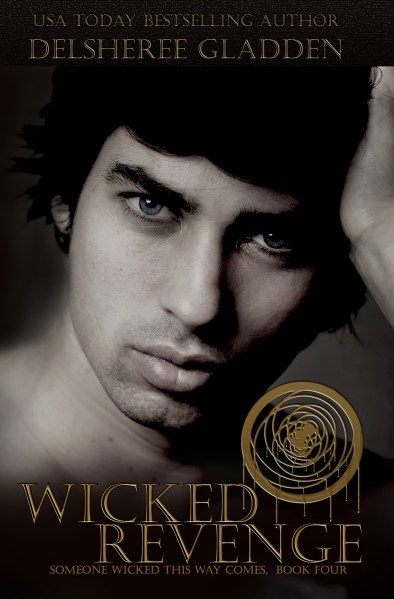
Wicked Revenge GOLD FRONTLunging for Ketchup, I drag him down to the wheel wells and throw my body on top of him. Bullets continue to slam into the car, jerking it back and forth as I bite back a terrified scream. Heat sears across my shoulder, and at least one bullet is lodged in my left thigh. It’s only seconds, maybe five, but it feels like a lifetime before the report of gunfire stops and squealing tires replaces it.
As soon as it does, I lift myself off Ketchup and ask, “Are you okay? Ketchup?”

I’m stuck trying to get out from under the steering wheel when a strange choking noise freezes me. Warm fluid bursts against my forearm and suddenly I can’t breathe. “Ketchup? Ketchup? Answer me!” Panicked scrambling gets me out from under the steering wheel and I reach for his half-turned body. Terror and my own pain kept me from recognizing anything else until I saw the blood seeping from his chest.

Tears blur my vision as I start babbling, “No, no, no, no,” over and over again. His pains overwhelms me and my hunger screams at me to lap it up, but I can’t. This is my fault. My doing. I knew how dangerous it was to leave without protection. I didn’t care when I sped away from the house, didn’t put his safety above my own delusional self-importance.

Find out what happens next in Wicked Revenge!!!

Find the rest of the series HERE


Time for Some Homework

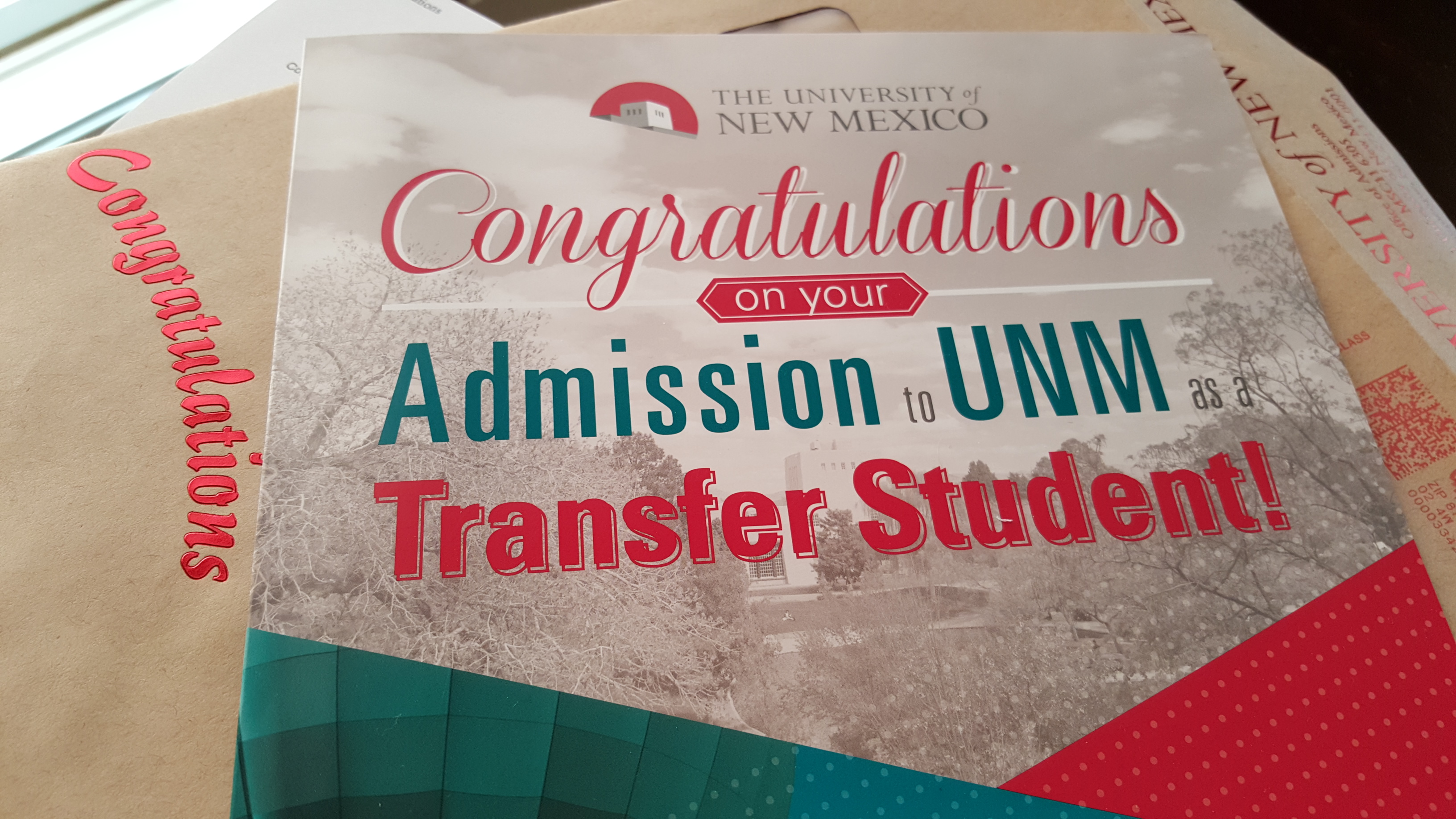
Recently (this week, in fact) I’ve officially gone back to college!

2016-03-29 18.34.38.jpgOriginally, I intended to get my bachelor’s degree in English, but there were some issues with that plan and now I’m working on a degree in Communication-Media Studies with a minor in English. Getting my degree will allow me to teach more classes at our local community college, so here I go!
This summer I’m taking a Technical Writing class that is way more intense than I was expecting, and a Travel Writing class which is awesome.

Why am I sharing this?

Both classes understandably have homework, and since it’s writing related and I like sharing things I learn about writing with my readers, I’ll be posting some of my homework pieces here on my blog. Some for feedback, some for fun. So when you see posts about how to sew a French seam or why the Spruce Tree House is closed at Mesa Verde National Park, that’s why.

If you feel prompted to offer feedback, please do! There’s always room to learn more, and comments from readers are just as valuable to me as comments from classmates and instructors.

Have a great summer!

Reading as a Writer: Looking for the Good

Whatever you do for a living, if you’ve ever watched a show that portrays someone in your profession and they get it all wrong, or half wrong, or even just a tiny bit wrong, don’t you find yourself rolling your eyes or commenting to the person next to you on how it really works?

This is why my hubby and I couldn’t watch that TV show Numb3rs together. Or that lousy movie with Jenna Fischer as a dental hygienist.

beautiful burnSometimes, reading is like this for me. It’s not always easy to turn off the writer part of my brain and just read to enjoy. All my writing pet peeves poke at me while I read, and make the experience less fun. Then I have to remind myself that some other writer is reading my books having the same thoughts!

So, instead of critiquing as I read, I try to learn from it instead. I just finished reading “Beautiful Burn” by Jamie McGuire and loved all the work she put into researching how the Hotshot firefighting teams in Colorado live and work. Having lived near or in Colorado for most of my life, I appreciated the level of detail she put into her writing, and it pushed me to dig a little deeper into some of the research I’ve been working on for “Wicked Revenge.”

jm barrieI’ve also been reading JM Barrie’s “Peter Pan” (the original book) which, let me tell you, is far removed from the Disney version, or any other version I’ve ever seen. It’s bizarre and really not something a kid would understand or probably be interested by. I have a pretty good vocabulary and love British fiction, but I’m still looking up words and trying to figure out what Barrie is trying to get at half the time.

BUT, I love the honesty of his characters. Peter has this moment of intense jealousy as Wendy decides to go home to her mother and the Lost Boys say they’ll go with her because they want a mother too, and Peter mentions a saying in The Neverland that every time you breathe, a grownup dies, so he starts breathing really hard and fast. It’s dark, but completely honest for a young boy who’s losing his only family and is too proud to admit he wants them to stay. I want to be able to write that sort of frank honesty in my characters, even if I’ll leave the archaic words and style to Barrie.

So, whether you’re watching a TV show that’s totally misrepresenting what you do every day at work, or reading about cars driving 55 miles per hour down a windy, two-lane mountain pass in a blizzard (which, trust me, would NEVER happen), there’s almost definitely something else that’s going to be wonderfully inspiring. Don’t forget to look for it.

Let’s talk #Podcasts

I do realize that many of my readers have no clue what podcasts are, which is just not okay. I am a podcast addict, and I think everyone should love podcasts as well.

What are they?

Podcast are like radio shows, but they’re prerecorded. They may be recorded live (caller-based shows) and edited later, or they may be completely scripted and prepared, or something in between. The nice thing about podcasts is that they’re archived and downloadable, so you can subscribe to a channel on your podcast app (iTunes, or I use Podcast Addict on Android) and download an episode when you want to listen absolutely FREE.

So, what podcast are awesome? I have a list 🙂

This American Life: Stories from all over the country on all kinds of topics

this american life

The Moth: Live storytelling sessions shared on a theme by theme basis

the moth

Beautiful/Anonymous: Beautiful stories from anonymous people with Chris Gethard

BeautifulAnonymous.jpg

The Skeptic’s Guide to the Universe: Science, superheroes, dumbest stuff, etc.

SGU-Logo-for-homepage_1091

Serial: One story told week by week for the whole season

serial.png

Kobo Writing Life: Tons of writing topics and interviews

kobowritinglife_rgb

The Author Hangout: Mainly focused toward indie authors with marketing tips

author hangout

If you’re a podcast listener, tell me what you’re listening to, and if you’re not, try some of these out!

Open Doors and Plot Holes

Death_to_stock_Dinner_damo_8.jpgMaybe this only happens in my house, but unlike the picture above with nicely closed cabinet doors, I can walk into a room and, no kidding, there is almost always at least one drawer, cupboard door, or package of something or other left open. Usually, more than one. There have been times when I’ve walked into the kitchen and literally every cupboard door is standing open because someone was looking for something and, after finding it, walked away.

What does this have to do with plot holes?

Your readers are like one of my kids looking for the bag of chocolate chips they want to add to their spoon of peanut butter. They keep looking for the answers you’ve promised them, scouring every page, rereading when they think they might have missed something, or silently working out all possible endings when they’re forced to put down a book and pay attention to real life for a few hours.

Those times when all the cupboard doors are left open because they have to search that hard, it often results from one of two things:

1: They’ve opened every other door in the kitchen and are reaching for the last one, opening it slowly, only to find, the cupboard is bare and the answers you promised aren’t actually in the kitchen, or anywhere…and they walk away, annoyed and vowing to never read anything of yours again because, dang it, when you want a snack and can only find celery sticks that make your mouth itch, your definitely not going to take the time to clean up your mess.

OR

2: They reach for that last cupboard door, pull it open and – because you’ve done an impeccable job of filling in holes and stretching out your reveals – all those awesome answers come flooding out at the very end for your reader to gobble up as hungrily as my kids might those cookies I tried to hide from them, and abandon the kitchen in complete satisfaction…forgetting to close all the cupboard doors.

The point?

Little Blond GirlJust like when my kids (my daughter specifically) stomps away, annoyed I haven’t purchased sufficient snack-worthy foods, your readers will walk away when they finish a book unsatisfied because of questions you never answered if your book leaves them with option #1.
I’ve been teaching a self-editing class this semester, and one of the best tips for avoiding plot holes is to re-outline your novel or story as you do your first major edit.

Why?

Editing sucks, right? 90% of writers will agree with me on that, I’m pretty sure.

Outlines suck even more. Okay, maybe only other pansters will agree with me on that, but that’s got to be at least 50%, right?

You know what sucks more, though? Having a reader leave a nasty review…one that’s legit and calls you out on shortcuts you took or hints you failed to live up to.

During your first major outline, take the time to outline your book, taking note of all the hints you added in, the questions you posed, and the bits of backstory you teased your readers with.

Did you follow up on each and every one?

If not, you have two choices:

1: Nix it. If you never followed up because that particular tidbit simply didn’t pan out, remove it.

Questions2: Fill in where you neglected to follow through. Any questions you posed that pertain to that particular book (notice I’m not talking series-length questions) make sure you have an answer, or make it apparent that question will be answered in a subsequent book, if you’re working on a series.

Most readers have a Love/Hate relationship with valid cliffhangers.

ALL readers have a Hate/Hate relationship with lazy writing that leaves them questioning why they purchased a book.

Don’t let your readers down. Answer every question you ask, even the ones you might have forgotten about from those first few chapters when the concept of your story was still in flux. You’ll thank yourself later, and so will your readers. Nobody wants to end a book like Lost Season 6, trust me. Rants are still happening about that finale six years after the fact.