 I’ve been editing a young adult project I wrote a few years back and never got back to, and it reminded me of a comment I saw on social media a while back about whether YA is an age group or a genre.
Traditionally, YA has been categorized based on audience age and the age and experiences of the protagonist. Youth ages 12-18 are the target audience. Themes focus on new experiences and challenges as characters approach adulthood.
As the genres have shifted over the past decade, there’s been some debate about whether YA is still categorized based on character age and audience age, or if it should even be considered a genre at all. It’s more complicated than simply saying it’s one or the other, or should or shouldn’t be.
It’s not uncommon for a teenage character to face challenges and themes that may not be suitable for a twelve-year-old reader. Is it still YA? The fact that half of YA readers are adults shows that plenty of grownups enjoy reading about the young adult experience. Is it still YA if adults are the largest reader group of a particular book? The wide variety of subgenres, topics covered, heat levels, amount of profanity, and character age ranges in YA shows how difficult it is to pinpoint what is and isn’t YA.
I didn’t read Lord of the Flies until I was in high school, yet the characters are pre-adolescent. The content, however, would make it a difficult read for middle grade readers.
To Kill a Mockingbird’s main character, Scout, is only six years old when the book begins, but deals with difficult concepts and themes which apply to a wide variety of readers of all ages.
Fahrenheit 451 is often listed as both YA and adult fiction, and is frequently on high school reading lists. However, almost all of the main characters are all adults and the story deals with complex themes and difficult scenes.
So what makes a book YA, and is it a genre or age range of target readers?
I tend to agree that YA as a genre attempts to pigeon-hole a huge variety of fiction into one category. It says more about the age range of readers someone out there thinks will enjoy the story more than what type of book it is. TO me, that’s not a terrible helpful category. You have to move on to subgenre to figure out what a book is going to be about.
Classifying a book has more to do with the point and purpose of the story than the age of the reader or characters. Does the story speak to the experiences of a young adult? The teenage years are often a time of self-discovery and trying to figure out where you belong in the world. Young adults face a lot of “firsts” that are often complicated to manage and can have a huge impact on the way they see themselves and the world, good or bad.
YA fiction tends to focus on the specific challenges and crises that go along with entering a new world (adulthood, moving towns or schools, first relationships and jobs, etc.), social and emotional growth and development, exploring boundaries (relationships, drugs and alcohol, sex, etc.), and self-discovery.
Of course, many adults face similar issues, which is why the lines get blurred so often between genres, however, teens tend to experience these things differently than most adults. This shifts the focus or perspective of YA fiction. A relationship at 16 is very different than one at 40. The same goes for jobs, school, sex, and much more. The thing is, though, that those experiences are interesting to more than just the teens out there living it because it’s about the human experience.
Despite what genre gets listed on Kindle or Apple Books, YA is more complicated than simply saying it’s a defined genre or an age group. An author may have a specific audience or purpose as they write, but readers take what they will from each book they read and catalog it in a way that makes sense to them. The exact definition matters a lot less than whether or not the story speaks to readers in a meaningful way.
 It’s been a long time since I haven’t had a project that I was in the middle of and felt pressured to finish.
 This past February I started a job as an editorial assistant at a local newspaper. I’ve been writing since I was a teen, and got started publishing fiction almost ten years ago, but journalism is a whole new world of writing for me. I’ve learned a lot so far, some writing-related and some just plain interesting.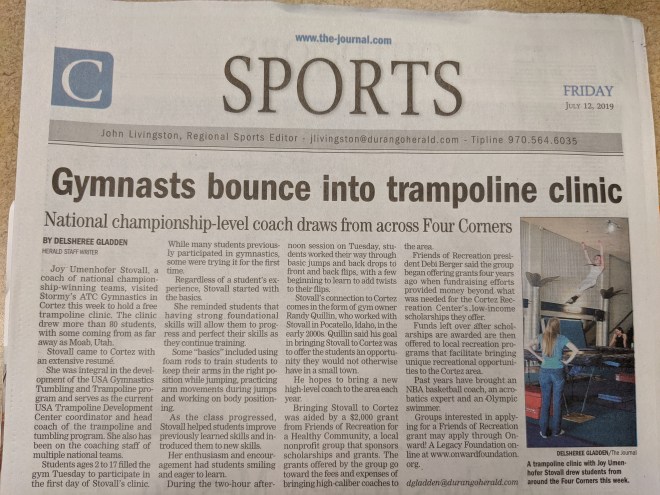
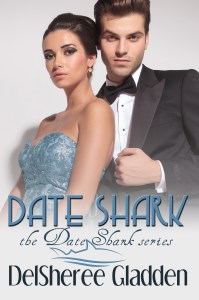 Life as the marketing director for a popular fashion boutique is overwhelming for Leila Sparrow, to say the least.




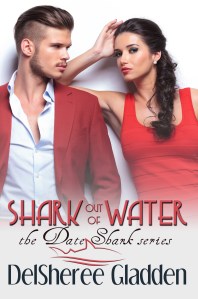 Guy Saint Laurent is too busy cursing his sister for roping him into taking over Eli’s Date Shark business to prepare himself for the slew of bizarre women he’s about to get involved with. This is the last venture he intended to take on, but somehow he’s just become Chicago’s newest, most reluctant Date Shark.
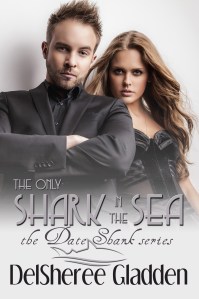 Vance Sullivan has always been the rock everyone turns to for help…
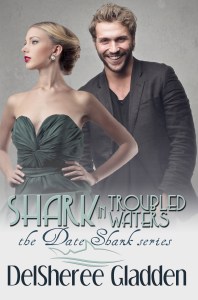 Sabine Saint Laurent is known as the Princess of Paris. Polite, beautiful, charming, polished…perfect.

 There are several different types of paid ads you can utilize on Twitter. Each one serves a specific purpose and should be chosen with a particular goal in mind.
 Twitter has in-depth analytics that can help you determine whether or not your everyday tweets and ad campaigns are effective. Studying the analytics can help you perfect what type of content works best for your followers and what types of ads will be most effective for your brand.
 As with other social media platforms, engaging with followers is key to growing your following and producing effective marketing campaigns. Hashtags and trending topics are a great starting point to engage with followers and potential followers, but you can’t stop there.
 Twitter appears to be a nonstop, all-day conversation, but there are peak times to engage and tweet. Time plays an important role, and different times are better for different types of results. Results may be slightly different depending on your target audience, location, and industry, but in general many Twitter users tend to engage in the evening and late night/early morning.
 Before promoting a tweet on Twitter, it’s important to have strong content that will be effective to promote. Every social media platform is different and specific types of content work well on each platform. For Twitter, great content should:
 On Twitter, you have the opportunity to highlight your content with a pinned tweet. It’s important to choose a pinned tweet that shows followers who your company is, what your brand is about, and what is going on in your company’s world. Pinned tweets are great for:
 Enhancing your content with images and video is very effective on Twitter. Tweets with images or video are, on average, retweeted 150% more often than tweets that are text or links. Another benefit or images and videos are that they take up more space in the feed and grab the viewers attention.