DelSheree Spinner was one of those shy, quiet kids who spent more time reading than talking. She didn't speak a single word for the first few months of preschool. Her fascination with reading led to many hours spent in the library and bookstores, and eventually to writing. She wrote her first novel when she was sixteen years old, but spent ten years rewriting it before it was published.
Native to New Mexico, many of DelSheree’s books feature the Four Corners area or were inspired by its history and lore. When not writing novels, she is often reading, hiking, sewing, and working with other authors.
DelSheree has several bestselling young adult series and has hit the USA Today Bestseller list twice as part of box sets. She also writes contemporary romance, humorous mystery, and paranormal new adult series. Her writing is as varied as her reading interests.
Sometimes ideas don’t come in a predictable order. I went back and forth between the two projects, getting stuck on one then bouncing over to the other and back again. This episode is also a little chaotic and I detail when ideas came to me and how those spawned other thoughts and even in some cases helped me figured out some series plot points in the karmic project. It’s a bit all over the place.
I made more progress on the karmic story, both in getting some writing done and figuring out a little bit more about how this world works and how it has shaped Beatrix. As I figure out more about the worlds and how they interact, it’s making it easier to really delve into the characters. That still means rewriting and going back to earlier chapters to fix things and add depth, but I feel like I’m really starting to get a better sense of the characters and story.
Finally, some writing mojo seems to be happening for me! I wrote, rewrote, moved around, and touched up details in chapters 2, 3, and 4 of the karmic story. A lot of the rewriting and shifting had to do with trying to avoid infodumping and static scenes that weren’t accomplishing multiple goals as I needed them to do. I’m sure they’ll still need more work later, but I talk about how I attempted to make sure chapters were providing information, characterization, worldbuilding, and just being fun and interesting for readers.
It is a slow process to get vendor accounts set up and approved, deal with random challenges along the way, and battle with customer service.
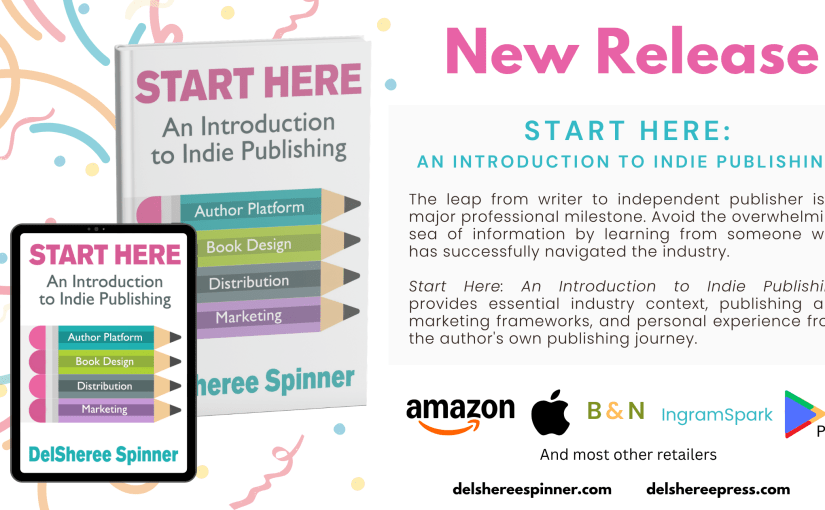
The work of publishing “Start Here: An introduction to Indie Publishing” started in early March, and finally at the tail end of June the book is finally available on all the major retailers and various smaller ones as well.
Here’s everything to know about the book:
Start Here: An Introduction to Indie Publishing
The transition from writer to independent author-publisher is a significant step, one that comes with a daunting sea of information. Start Here: An Introduction to Indie Publishing helps authors avoid overwhelm by offering an overview of the industry before any major commitments are made. It provides the necessary context to understand the history of the industry, the modern expectations of a successful publishing business, and the essential groundwork required for a sustainable career.
Preparation is key to success. Gaining understanding of author platforms, production costs, and the mechanics of modern book marketing allows for a more intentional approach to a book’s debut. Rather than navigating these complexities in isolation, there is a benefit to identifying where a creator’s strengths lie and where it is more effective to lean on the expertise of qualified service providers. Balancing the creative process with the practicalities of formatting, design, and marketing ensures that the final product meets the standards of a competitive marketplace.
Ultimately, a successful publishing venture requires a blend of vision and maintenance. Developing a solid plan to reach readers and build a lasting community is as vital as the writing itself. With the right information and a thoughtful approach to the business of publishing, the path to independent publishing becomes not just manageable, but a professional milestone built on a foundation of clarity and readiness.
It took a while, but I finally got a little more writing done (about a chapter and a half) on the not-karmic book. I’m getting to the point where I’m starting to solidify the tone and focus of this project, particularly on the level of description detail. I started of chapter seven not knowing what it would be about, but quickly found its purpose within the first few lines when I realized this was a chance to delve more deeply into Penelope’s family and work in some hints.
There are two main reasons I feel like I haven’t gotten a whole lot done in the last month. There have been so many disruptions across all fronts that have kept me from focusing on book related stuff and I hit a wall in revising Date Shark that was so discouraging that I have struggled to work on any of my projects.
When it comes to disruptions, I’ll give you the highlights.
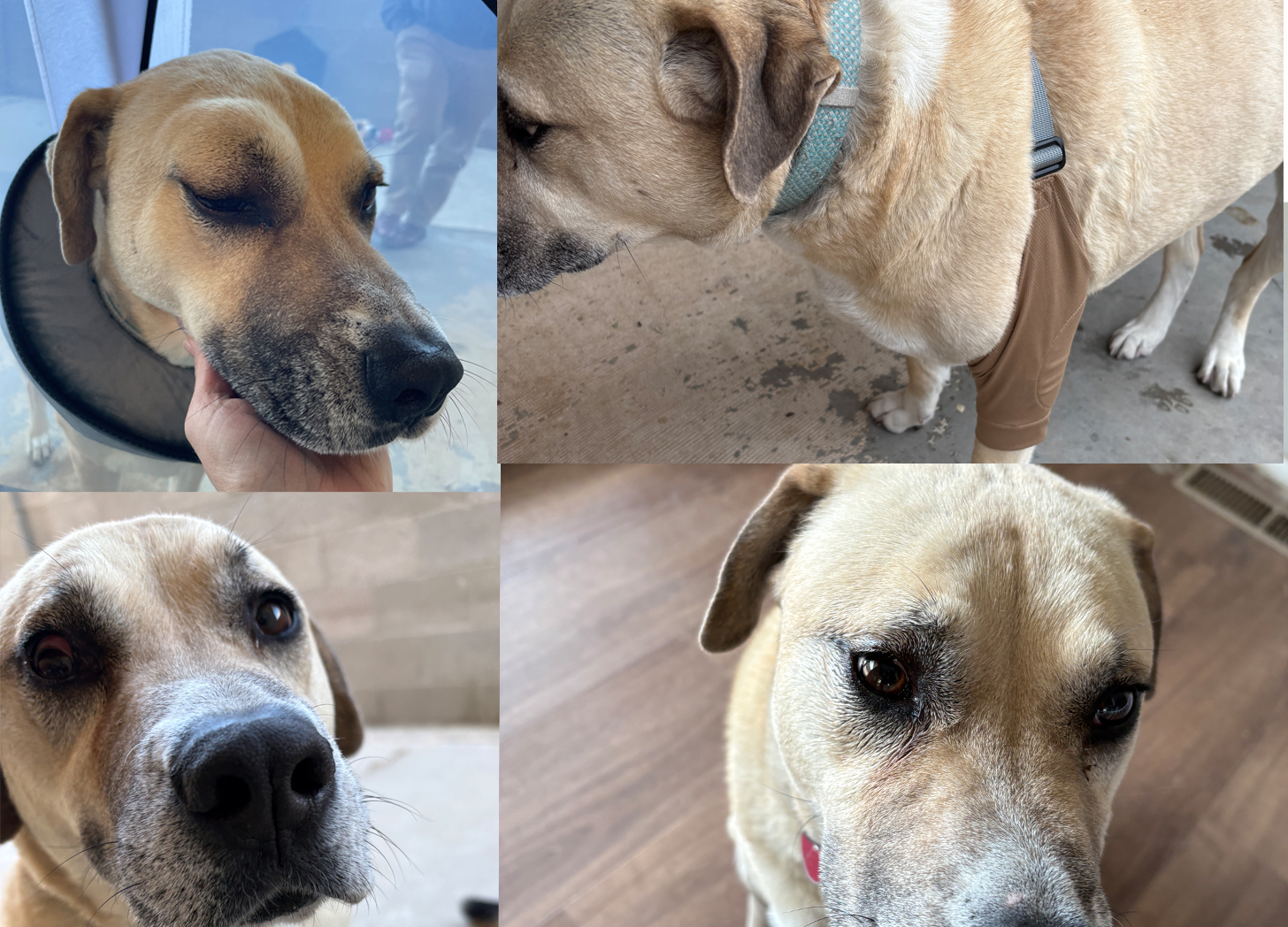
The end of the school year is always super chaotic for teachers, but this year really was notable in that regard. On the same day, the school I teach was vandalized as part of a senior “prank” (please read that as incredibly idiotic and illegal stupidity) and one of my students nearly died right in front of me. I was not okay for several days trying to process that. Also, my principal and two assistant principals are leaving for other retirement or other opportunity, which causes a lot of anxiety not knowing what we’ll be coming back to next year. Admin decided to cut our 9th and 10th grade honors program, which I was very against, and has since led to me signing up to teach three sections of an AP class next year, which I will hopefully figure out how to do this summer. Our assessment (testing) system is getting completely revamped and rather than be surprised in August, I reluctantly submitted my name to help with the review so I know what the heck I’m getting into next school year. There’s been family stuff that has required our attention and focus, and one of my dog’s has developed a late-in-life allergy that keeps making his eyes and face swell up (see pictures above of his progress). Vet visits, so many pills, changes in food, eye goop, elbow pads, and fish oil have helped him improve, thankfully.
Bear’s eyeball/allergy progress.
It’s been a lot.
Now for the discouragement.
I was about halfway through revising Date Shark, which I talked about last time and showed some examples of how that’s been changing the book. It was going well…until it wasn’t. I got stuck on an aspect of the book where the main female character Leila finally has to confront the fact that she’s been keeping her friendship with Eli secret from her boyfriend Luke. This was always a touchy part of the story because it had potential to put reader’s off if they thought Leila has being purposefully deceitful to Luke and unsympathetic to the harm she was causing.
Revising this section wasn’t feeling right and I couldn’t make it work with the changes I’d already made to the earlier half of the book. I understood the characters more now and my view of her behavior has changed as well. It no longer worked and I couldn’t really figure out how to justify her decisions, yet I still want Leila to be a flawed character who’s having to confront the reasons her past relationships have floundered.
I talked it over with my husband Chris at dinner a few weeks back and the discussion really discouraged me because I realized there wasn’t an easy way to fix what I felt like wasn’t working. In the moment, it felt like there wasn’t a way to fix it at all. Maybe a full rewrite and restructuring of the story, if I wanted to change what the story was and what the point was, which I didn’t. This realization sent me down one of those author spirals of maybe my older books can’t be fixed because they’re too misguided or poorly written or because I’m not nearly as good of a writer as I thought and I should just move on, but maybe my newer ideas aren’t good either if my old stuff has so many irreparable problems.
And so on.
Eventually, I emerged from the depths of that spiral, but I still wasn’t in a good headspace to write. Working on one of my new projects felt too daunting, looking at any of my old work was depressing. I got stuck in the overwhelm of having too many problems to fix and not enough time or mental energy to even figure out where to start. So, I read instead and focused on radio show stuff, which was also necessary because my prerecorded episodes list was getting scarily short.
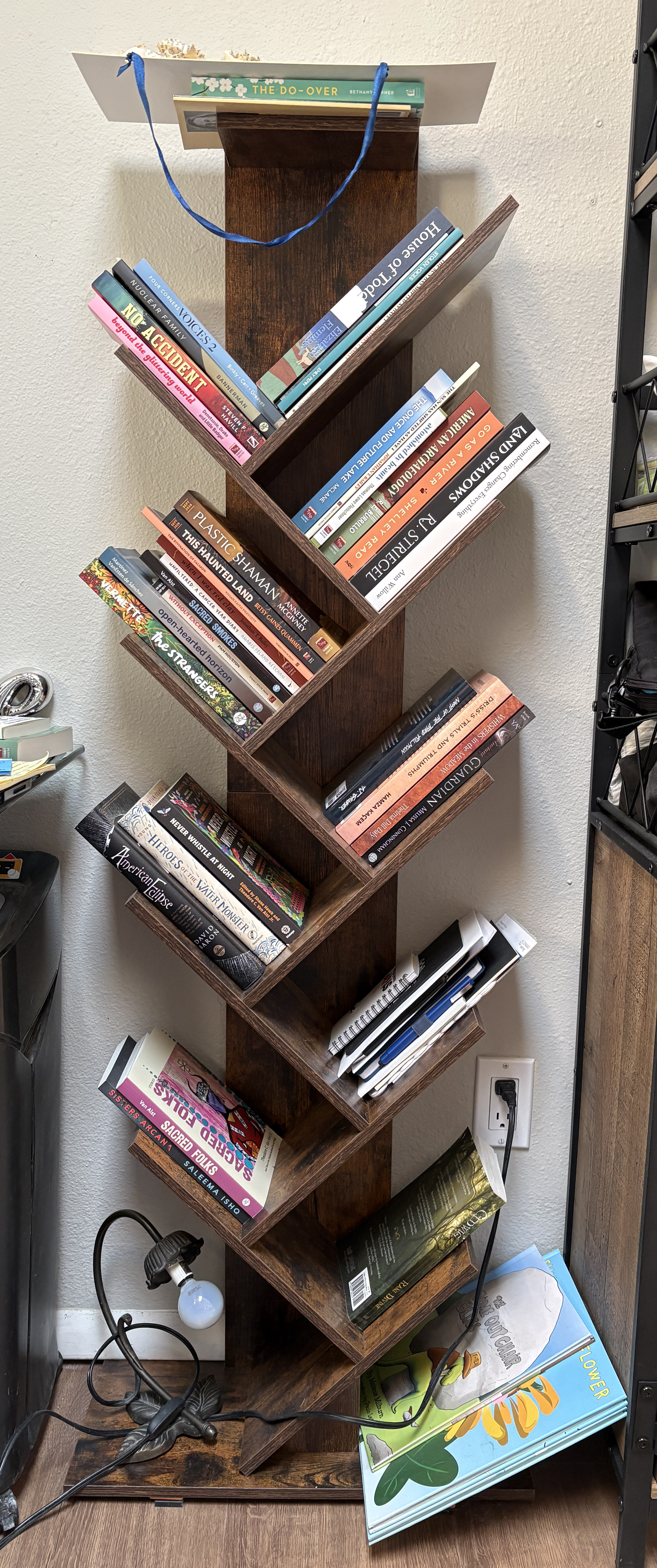
My current reading list
Books I read over the last month-ish (and recommend you check out):
Brynn and Sebastian Hate Each Other by Bethany Turner
Twelve Months by Jim Butcher
Carl’s Doomsday Scenario by Matt Dinniman
Great Sand Dunes Massacre by Scott Graham
What Moves the Dead by T. Kingfisher
North of Foothill by Orlando Davidson
The Moth by Scott Archer Jones
Maus by Art Spiegelman (currently reading)
Authors I interviewed (or will by the end of this week) over the last month-ish:
Karen McCoy, author of The Etiquette of Voles (audiobook recently released)
Laura Paskus, editor of Water Bodies (Torrey House Press)
Scott Graham, author of the National Park Mystery series
Douglas Joslin, debut author of A Sky Full of Color
Mark Plets, author of Kelly: a tale of ould Ireland
Scott Archer Jones, author of The Moth
Kim Wuertz, teaching a workshop at Quill & Quest (local bookstore) in June
Orlando Davidson, author of North of Foothill
Even though I didn’t get much writing done, I did stay busy. Now that school is out, book stuff is my priority. I, of course, have AP training next week and plenty of yard and housework on my summer to-do list, but I’m in a better headspace to write and work on rebranding and building new publishing avenues.
I finally catch up on what I wrote over the last while, which is fitting because these chapters wrap up the story elements and sides of the character Penelope that serve as introductions for the reader. I got stuck here, mainly because this is where I really need to start delving into the meat of the story. Reviewing and talking out this section helped me pin down a few ways to move forward, which I’ll talk about next time.
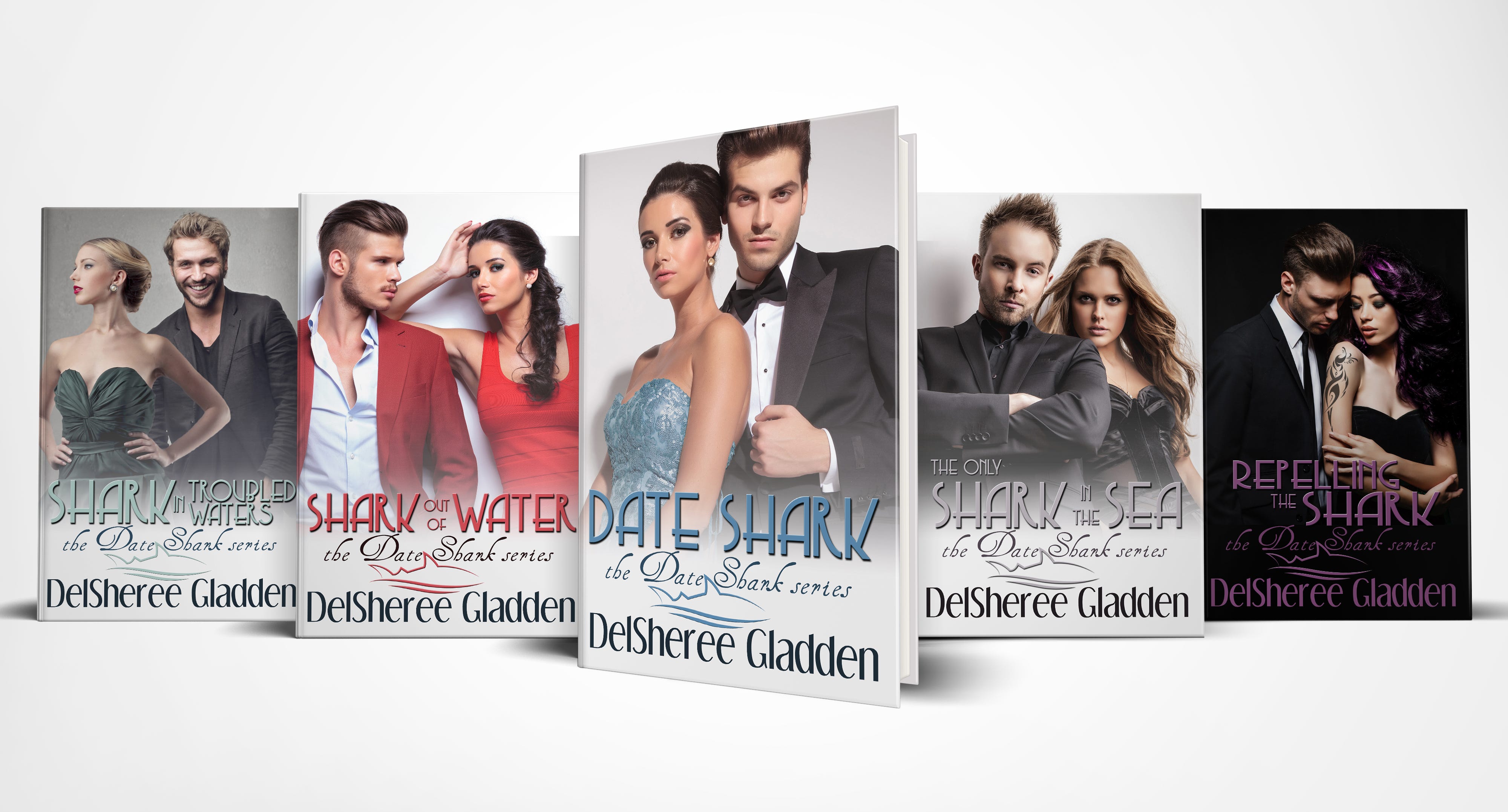
I recently started revising Date Shark as part of my plan to overhaul my previous books before republishing under my married name (DelSheree Spinner) and my new publishing company (DelSheree Press LLC).
Date Shark seemed like a good place to start because it’s romance, which I have a better sense of how to market, it’s a complete series, and it’s had good response over the years so I thought it would probably need the least amount of work.
I’m about halfway through the first book, Date Shark (which will be getting a title update once I figure out what exactly that will be), and it did not take more than a page for me to realize I was way wrong on the whole “least amount of work” idea. The story structure is there and won’t require any major changes, but the characters are a different story.
They are not who I thought they were.
Let’s start with Leila, who has some issues but less so than Eli. I remember writing Leila to be sweet, naive, lacking in confidence, and talented and hardworking.
Some of that remains true looking back at her about 10 years later. What reads completely differently to me now is that she seeks out people who tell her who to be and how to live and she takes their advice with too little thought.
This creates stark inconsistencies in her character over the first half of the book. She’s eager to improve herself but doesn’t think through the suggestions she gets and allows herself to be bossed around and manipulated. It painted those as positive characteristics without meaning to. She’s supposed to be the heroine of her story, but others are driving the plot.
My main revisions with her character so far are to make her more thoughtful, even with her early naivete and low self-image. I know from the beginning that her character arc needs to involved recognizing when others are pushing her to bend to their will and plans and develop strength to stand up for her needs and desires. The area where she bends and wobbles in the early chapters are intentional now, allow Leila to learn from mistakes, not me mistaking gaslighting for compromise.
Who I remembered Eli being was charming, caring, a bit obsessive thanks to some personal demons, but a near-perfect best friend with the potential for more.
Upon this most recent reading, I realized he was basically none of those things. He was manipulative from just about page one, controlling, demanding, sneaky, and intrusive. I was genuinely shocked to realize I had written a character that was so unlike what I was trying to accomplish. My view of relationships was so skewed at that time that I didn’t see how un-Prince Charming Eli was behaving.
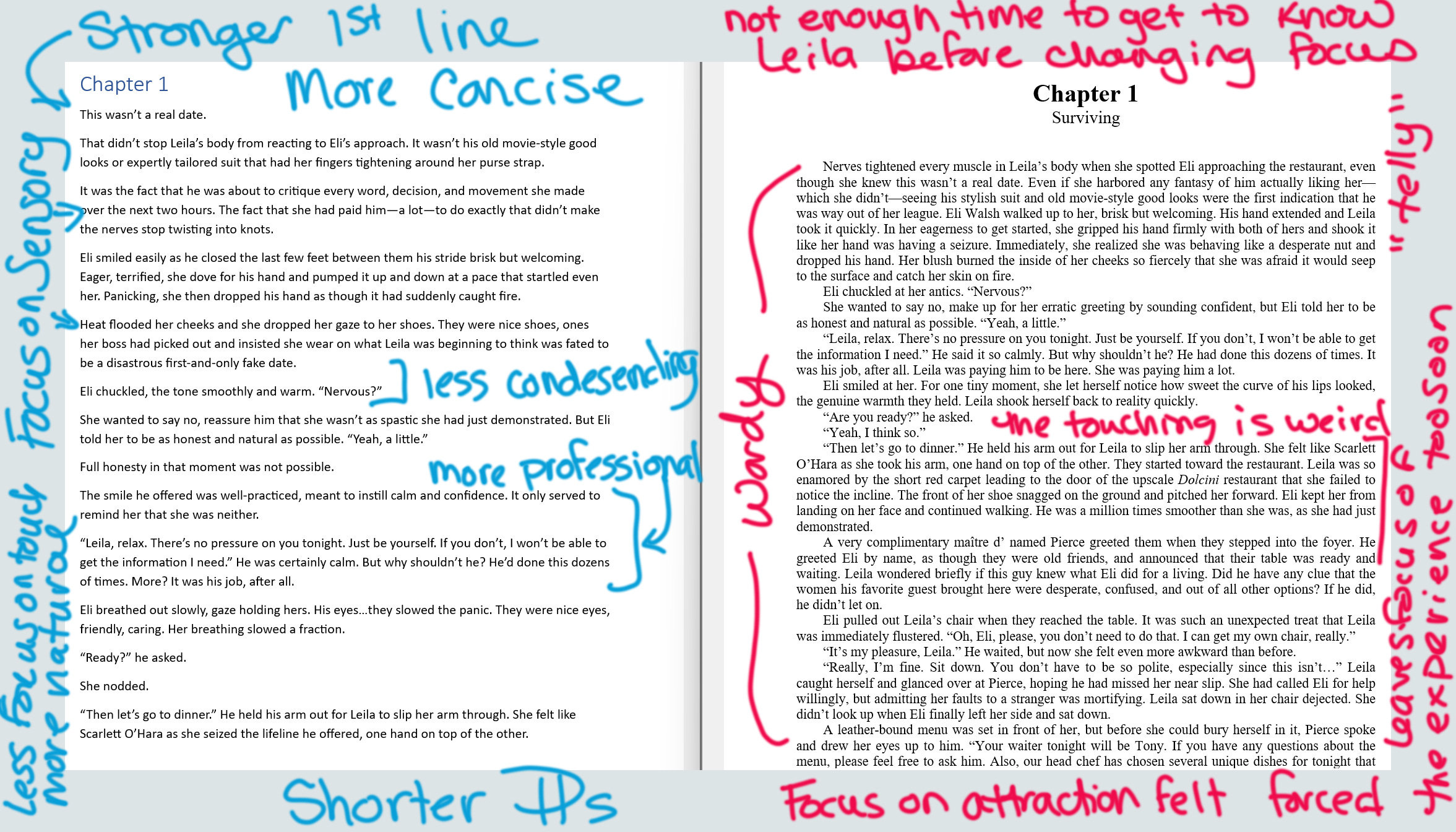
There was a scene early in the book when they meet to discuss their initial “fake” date where Eli basically diagnosis her dating life troubles. She is understandably anxious and demoralized in this scene after he’s laid out everything she did that could set off warning bells for a date. It’s forgivable that she doesn’t speak the thoughts in her head that explain her intentions or contradict the man she hired to provide advice for improvement. That’s part of her growth arc.
What’s not forgivable is how Eli attempts to manipulate the situation more than once through touch and by telling her what to do even after he has admitted to himself that he doesn’t understand why she came to him. He wants to manufacture ways to spend more time with her, claims it’s to help her grow under his tutelage, yet almost withholds an invitation from a friend that would give her an opportunity to test out his advice purely out of jealousy.
I was so unhappy with this scene that I had to step away to think about it before I could begin revising. I narrowed down what was bothering me most about the scene to Eli’s manipulative behavior. I despise manipulation. I know exactly how detrimental it is to self-worth and relationships. If I wanted readers to believe this relationship could last, it couldn’t be based on manipulation.
So, I cut the touching. I’ve cut quite a bit of touching so far. That may seem weird for a romance novel, but it wasn’t the right kind of touching. It crossed professional boundaries in ways I hadn’t recognized before and now created an icky feeling when I read it. Yes, Eli is struggling to balance his attraction to Leila and his desires to touch her with his role as a mentor of sorts, so his internal struggle remains at the forefront of his thoughts. That’s where it needs to stay, though.
I also went line-by-line reevaluating his dialogue and Leila’s responses. I change what came off now as commands to suggestions or recommendations, things she might consider trying. I made him more honest about the limitations of his advice and had him ask more questions to increase his understanding. This helped develop the scene into more of a conversation than a patriarchal talking down session.
Eli still doesn’t come off as perfect in the scene, but that’s now on purpose. I highlight his internal flaws elsewhere to show the reader where his improvement path leads. He doesn’t know how to manage the emotions he feels for Leila, particularly in light of his history with his mother. He has to battle the desire to maintain control over his life while being dragged toward opening up to someone he cares about. He’s terrified of the pain that might bring.
I’d originally used the tagline “When it comes to choosing between obsession and passion, some lines should be crossed.” This completely missed the point of Eli’s growth arc. He’s not obsessive in his personal life nor his pursuit of Leila.
His life once spun completely out of control because of someone else’s choices and he coped by taking control of everything he could. It makes him successful in his professional life, but has kept him from having any meaningful romantic relationships. He sees a possibility of breaking out of that pattern with Leila, but it’s terrifying and selfish to put his needs before hers.
Revising the first half of this book has really helped me solidify who these characters are, what growth is needed to achieve the right ending, and how I can more accurately portray them to the reader.
A little relevant history with this book: it was the first non-paranormal book I wrote and I wasn’t sure if it was any good. It was meant to be a standalone and I didn’t send it to beta readers or friends before submitting it to a publisher that was interested in my work. The publisher offered a contract and then I didn’t hear from them for months. When I asked about editing, they said it was so clean it didn’t need anything and had already been moved on to formatting. They were way wrong on that, even before I realized how off-base the characters were. Reviews frequently mentioned poor editing. Even when I got my rights back and re-edited it, the character problems were still lurking. This book really never went through a full editing process, and it clearly needed it.
I started revisions knowing I wanted to touch up the characters and relationship arc. I seriously underestimated what that would require, but having that focus has been very helpful in guiding me. If I find typos, I of course fix them, but I really like the idea of editing for something specific and not just “editing.” I’m finding that I am much more productive and zeroed in on specific goals with this style of editing. I’ll take this approach into revisions on my other books as well.
I’ll wrap up with a note about the series, which I’m sure I’ll revisit in the future as I continue working on this series. A problem with read-through on this series I noticed when analyze sales data for the last 15 years was that of my main series, this one had the lowest read-through rate. Individual books had good reviews, so this puzzled me at first. What I realize now is that across the series there is inconsistency in the spice level, the tone, and the focus of the romances.
As I work on the series as a whole, another editing goal is to improve consistency across all five books so reader get a good sense of what the series is in this first book and that is delivered across the full series. This wasn’t something I really thought about while writing them, but I’m taking a more business-minded approach to my series while still making sure the books stay true to the characters and story overall. It will be an interesting balance to strike.
Because so much of my identity has shifted over the past few years, I need and want a fresh start with my writing career. I’m willing to lose a boatload of reviews and ranking to achieve this, because I feel confident that dismantling and reassembling my author platform will be truer to who I am and what I write in the long run.
Part of the fresh start I’m making is changing my author name and opening a small publishing company. The publishing company will not only serve as a platform for republishing my books, but I will also take on one writer at a time to help them develop their writing in a mentor-based publishing process (more on that later).
There are tax-based reasons for republishing my books under my new company (DelSheree Press LLC), but more than anything it’s about treating my writing as a professional career and consolidating everything I do with books, writing, coaching, teaching, etc. into one space where I can represent myself and authors I work with in a professional manner.
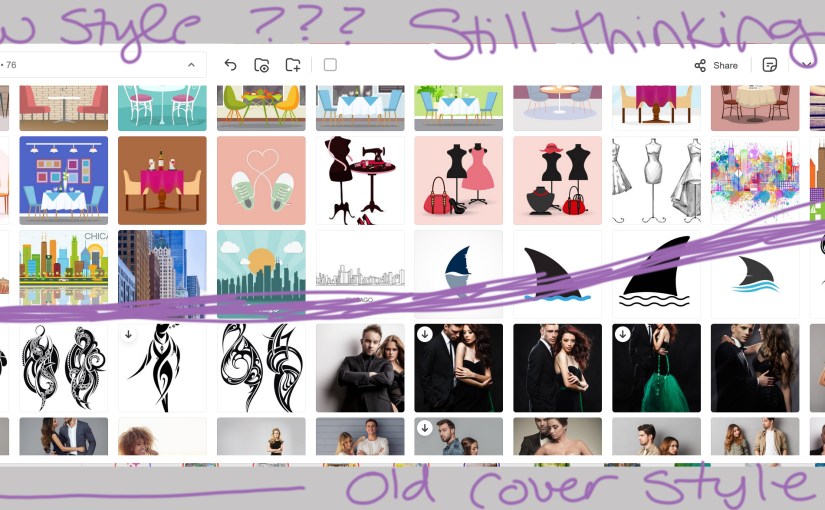
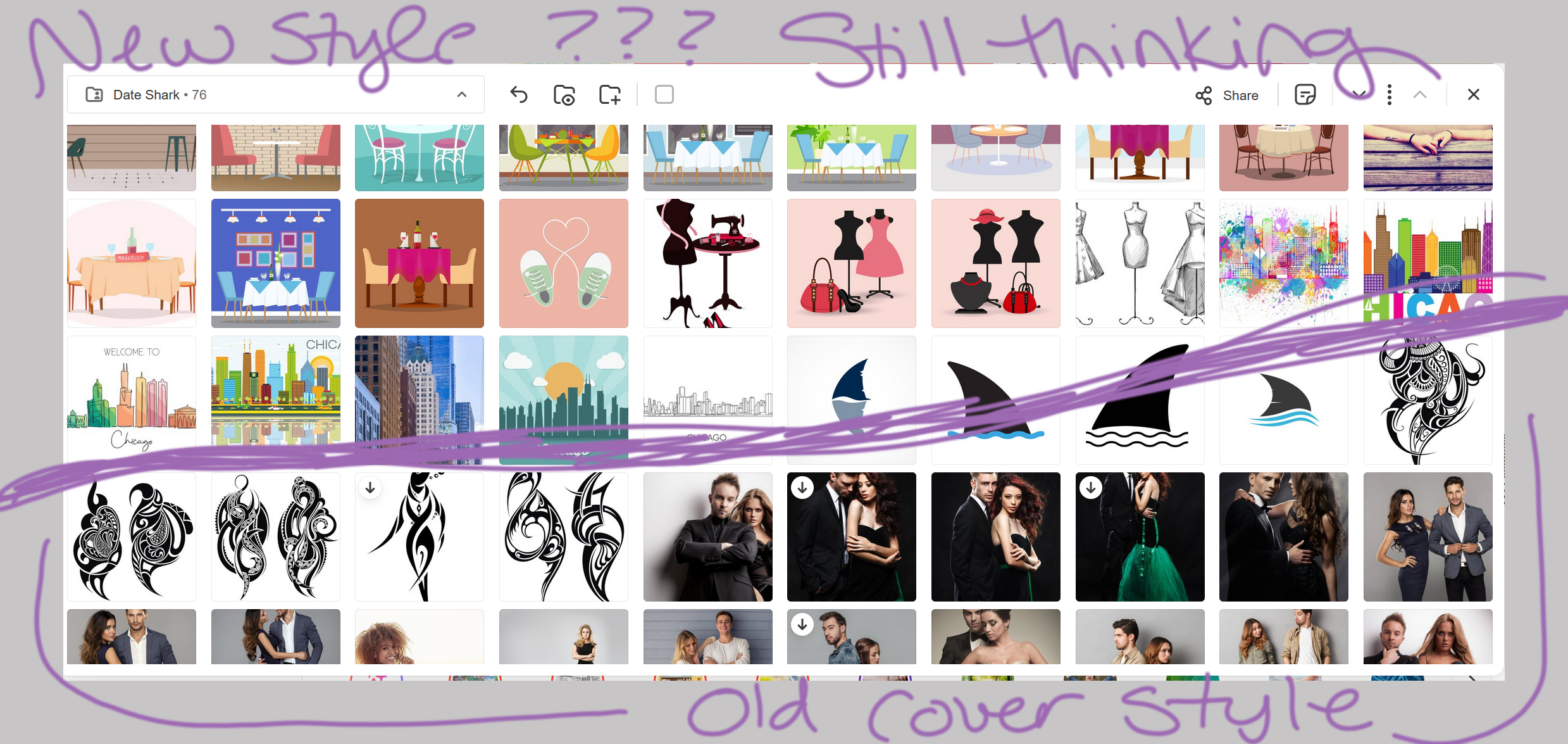
My plan for my own books is to go back through all 34 of them, series by series to reevaluate the stories and characters for structure and craft issues, ideas and values that don’t sit right with me, relationships that need revisions, and cover art that needs updated.
Here’s a look at what I have planned (in order) and issues I know I need to work on:
Date Shark – relationships, representation of sex, possibly cover updates
Eliza Carlisle – relationships, depth of mystery, revise/expand novella, cover updates
Aerling – clarify setting, fix plot issues, intentional revision of relationships, new covers
Some One Wicked – relationships, psychology of characters, series title change, address drop-off in readers between books 1 & 2 (?), new covers
Destroyer – review plot for continuity, relationships, new covers
Escaping Fate – relationships for sure, review plot for continuity after planning out remainder of series ideas/world concept, new covers
Ghost Host – rename individual books, plot continuity, relationships, realism of connection to FBI, new/revised covers
Life & Being – plan out series concept/world and revise as needed, relationships, cover update and series plan
Twin Souls – revision of setting/cultural aspects, review plot for continuity, new covers
Child of Destruction – build out world and revise, relationships, potentially get rid of love triangle aspect, new cover, actually publish this one and decide whether to write book 2 or wrap in one standalone book
Ideally, I would like to have this done by the end of 2026, but I know that is probably unrealistic. It will depend on how much rewriting I end up needing to do on individual books. Then there’s time to actually do all of that and funds to pay for various services I’ll need along the way.
Most likely, it will take me two years to get through all of these. Even though I look at writing much more seriously than I used to, I have many other aspects of life that also need my attention. My two children are now in college, but I have learned that adult children still need you just as much as they did when they were little. I also have three wonderful and busy step children and I try my best to be there to support them in their interests and activities as much as possible. I’m married to a wonderful man who has his own goals and interests that I want to support those however I can as well.
I teach also high school full time, host a weekly radio show called Write On Four Corners (which I love but takes quite a bit of time), coordinate a monthly lecture series called Write to Publish, and will be adding the new adventure of opening DelSheree Press in 2026. Time is at a premium for me right now, and my goal is to use it wisely to balance time with family, work, and, my writing/publishing pursuits. This has never been an easy thing for me, but I’m getting better at it the more I make balance a priority.
I am working on several fiction projects right now, but the first book I plan to publish in 2026 is a nonfiction book based on a workshop I have taught several times. I don’t have enough time to teach extra class right now, but I want to continue to help authors. This book will help me do that. The working (maybe final?) title is “Start Here: An Introduction to Indie Publishing.”
After this post, I’ll return to posting monthly-ish or when I have something interesting to share.
I’ll share more in the future about my current fiction projects, which started as one book and has split into two. That’s also a long story of reassembling a deconstructed idea.
As I mentioned in my last post, the religion I was raised in and the marriage I spent 19 years in drastically shaped my view of relationships and what they should and shouldn’t look like, as well as what should and shouldn’t be tolerated while in one. That influenced my writing by coloring how I portrayed relationships, both good and bad.
Things I thought were positive aspects, I have realized since, came off as demanding or manipulative. Certain interactions that I portrayed as negative, such as challenging a partner when views differed or standing up to someone and holding their ground, are perfectly normal parts of navigating a partnership.
While my current husband and I were dating, he read several of my books and we had multiple enlightening conversations about the relationships I wrote for my characters. It had already been several years since I’d really done any writing at that point, which I think helped me look at things more objectively. My books felt like part of my past—a part I didn’t quite know how to revive into the life I was rebuilding.
Before my divorce, my mental health had been deteriorating and I was not in a good place the last few years of my marriage. In addition to years of unhappiness and stress, several major negative experiences had shaken me profoundly. I knew I needed to make a change, but I didn’t know how and I wasn’t strong enough at that point to even see a path forward.
It took a lot for me to seek help and I felt a lot of shame and embarrassment over needing therapy. I’d always been a doer, a fixer, and get-things-done-and-dealt-with kind of person. Having to go to my doctor and then a therapist and admit that I wanted to disappear and was having suicidal ideations just about broke me.
But it also saved me.
Therapy taught me a lot about myself and what I wanted out of life for me and my kids. Seeing the negative effects my kids were experiencing was what finally pushed me to get help. I needed to gain strength to be there for them and help them heal. I learned about healthy boundaries, that it was okay to have big feelings, that there were ways to manage those big emotions when they threatened to overwhelm, and about mechanisms to cope with stress in healthier ways.
While I was learning how to manage my emotions and stress better, I slowly began to realize that the relationship I was in was not okay and was never going to change. Leaving the church had opened up the possibility that I didn’t have to stay in a bad situation forever, but developing inner strength to stand up for what I was learning was right in a relationship was what freed me to finally end things.
Because I had spent my childhood watching an unhealthy relationship between my parents, then spent five years in the middle of their never-ending divorce proceeding, and had followed their example into a similar relationship, I had no idea what a solid, respectful, healthy relationship looked like when I was writing romances.
In some ways, that probably helped me created flawed characters, but they were flawed in ways I couldn’t see at the time. Looking back at some of those stories, the endings or how characters arrived at their endings aren’t always what I would write now. Flawed characters are important, and I will keep writing them, but that works so much better when it’s intentional and not born from misguided ideas about what relationships should be.
As I go back through my old books, I will make changes where needed to be more intentional in how I craft flawed characters and how they learn and grow in order to achieve the ending they want. Having been through that process myself gives me a lot of starting points for new stories as well, and being in a wonderfully supportive and healthy relationship now guides me in helping characters find that as well (because I love a good HEA).
There will always be those who dislike romance, either because it is often too formulaic or seems trivial, but relationships (romantic or not) are a key part of being human. They can be what sustains you or what tears you down. We learn important lessons from who we put our trust in to safeguard our hearts and dreams for the future. Some of those lessons are brutal. Others teach us who we want to be and how we want to live our lives.
What relationship has had the biggest impact on you?