I’ve been reviewing a lot of writing samples lately for the ghostwriting company I train writers for, and I’ve noticed a trend of using sections of second person narration and directly addressing the reader quite frequently.
While second person narration can be used effectively, it’s generally not ideal for commercial adult fiction. Directly addressing the reader can be used sparingly, but it is often jarring and pulls the reader out of the story by reminding them that they’re reading a book.
Second person narration is when the story is told in the voice of an onlooker (the reader). “You are not the kind of guy who would be at a place like this at this time of the morning. But here you are, and you cannot say that the terrain is entirely unfamiliar, although the details are fuzzy.” Jay McInerney’s Bright Lights, Big City
Directly addressing the reader is when the narrator “breaks the fourth wall” and speaks to the reader directly using YOU. “Good. Now I know I can trust you. You’re curious. You’re brave. And you’re not afraid to lead a life of crime.” Pseudonymous Bosch’s The Name of this Book Is Secret
Why these are rarely used in fiction:
Directly addressing the reader is NOT a replacement for an omniscient POV. This is often used to remind the reader of something (Now, I told you this wouldn’t have a happy ending) or tell the reader what will happen next (If only she had known the cable was lose, she wouldn’t have climbed out onto it.) If a story is not being written from an omniscient POV, this is incorrectly breaking out of the POV and is jarring to the reader. Choose a POV and stick to it.
They break suspension of disbelief. It’s very difficult for a reader to suspend disbelief and feel they are immersed in the story when they are being asked questions, told direct information, or reminded that they are being told a story.
Both are extremely difficult to use correctly. To make these techniques work, they have to be done consistently throughout the story, to avoid startling the reader every time they are addressed. Few stories are suited to constant commentary from the narrator and can frustrate and tire the reader.
The use of YOU reminds readers of children’s fiction, blog posts, and self-help books.The Tale of Despereaux has a wonderful narrator voice that explains difficult words and concepts to young readers and helps them understand the story. When adult readers are directly addressed, many feel they are being condescended to or instructed on how to read or enjoy the story. Both can be major turnoffs for readers.
It is difficult to develop characters and a story that suits second person narration. The narrator is limiting to watching from a distance with second person narration. Even when omniscient, the reader never truly gets inside the characters’ heads and feels less involved in the story.
Second person narration is difficult to maintain in pieces longer than a few pages. Second person narration is tiring for readers to read. It feels like they are being asked to answer questions or be actively involved in a story rather than enjoying it as an observer.
For a list of more things readers don’t like, check out the link below!
One of my favorite meet-cutes is from You’ve Got Mail when the main characters meet Meg Ryan’s bookstore and Tom Hanks is explaining his complicated family situation. It leads so well into Meg Ryan realizing who he is and that his mega chain bookstore is going to put her out of business.
What is a Meet-Cute and how they can best be developed and utilized in romance?
The meet-cute is when a future romantic couple meets for the first time.
The purpose of a meet-cute is to set up a burgeoning relationship.
Meet-cutes often use awkwardness, embarrassment, or hostility and should hint at potential conflicts or barriers to the relationship as well as show the nature of the relationship. The meet-cute should also set the tone for the story.
Forms of meet-cutes include:
Bad first impression: sparks embarrassment, hostility, misunderstanding, etc. This provides immediate conflict, dislike, or intrigue.
The twist: gives one character the upper hand and presents a conflict.
The odd couple: presents differences that could be either complimentary or antagonistic depending on the situation.
While it’s okay to use a tried-and-true meet-cute (i.e. literally bumping into each other), it’s important to make it unique.
Try a unique location (car accident, painting class, etc.)
Have one character do something unexpected (doesn’t help the other up after a fall)
Involve a unique item (onions cascade off a grocery store display and hit the other’s foot)
Force the characters to interact in an unusual way (assigned seating at a movie separates one from a group due to buying tickets too late)
Bring them together during an emergency (fire alarm, witnessing a mugging, etc.)
For a little meet-cute inspiration for future projects, check out these real life stories!
Adapt personal writing style to a project’s genre/subgenre is an important step in getting the right tone and mood for a book. Let’s take a look at the basics styles of several popular romance subgenres.
Each romance subgenre has specific stylist elements
Contemporary Romance: tone ranges from semi-sweet to borderline edgy/dark; mood ranges from serious to light and fun depending on the story; word choice involves mild to moderate graphic descriptions of sex and violence; wordiness is moderate and scene specific; syntax is largely casual but may change when the scene calls for it.
Paranormal/Fantasy/Sci-Fi: tone is more serious and edgy; mood also tends to be more serious but can have lighter elements; wordiness is more elaborate to accommodate heavier description and worldbuilding; word choice is more complex and subgenre specific, may use profanity and have moderate graphic descriptions of sex and violence; syntax varies widely depending on the topic and scene.
Sweet/Clean: tone is lighter and sweeter but can have more serious elements; mood is softer and gentler, drawing on hope and love; wordiness varies from simple to moderate, depending on the topic and scene; word choice is mild and avoid profanity or graphic descriptions of most things; syntax ranges from casual to semi-formal.
Religious/Spiritual: tone is lighter and more “pure” but can have more serious elements; mood is softer and gentler, drawing on hope and optimism; wordiness varies from simple to complex depending on the topic, may be more elaborate to communicate beliefs/ideals; word choice is mild and avoid profanity or graphic descriptions of most things; syntax ranges from semi-casual to somewhat formal.
Erotica: Edgier/darker and more serious tone, but may have lighter or humorous tone; more indulgent, high emotion mood; word choice involves more graphic descriptions of sexual topics and encounters, uses profanity more freely; syntax and wordiness vary based on the scene but lean toward snappier wording and casual syntax.
Romantic Suspense: tone is edgier/darker and more serious; mood is high emotion and intense; wordiness leans toward concise and snappy, but can change depending on the scene; word choice ranges from moderate to graphic descriptions of sex, violence, and profanity; syntax is more serious and formal, but can vary based on specific scenes.
New/Young Adult: tone is ranges from light to more serious/dark depending on the topic and age of the characters, NA is edgier and deal with more serious topics in most cases; mood tends to be high emotion and ranges from moderate to intense; wordiness tends to be concise and snappy with specific scenes being more complex; word choice is dependent on the topic, but YA tends to have less profanity and graphic content while NA is more open to both; syntax varies from casual to serious depending on the topic, but YA leans toward less complex structures.
Historical: tone is more serious and formal; mood is also more formal and proper, though lighter elements and humor are also used; wordiness is more complex and elaborate, relying on proper and formal speech patterns; word choice is specific to the time period and region, and ranges from formal to colloquial; syntax is more complex and detailed, putting more emphasis on the construction of the phrases and sentences.
Tension is what keeps a reader interested in the progression of the story. If the reader doesn’t feel any concern about how the story will end, they will lose interest. Below are some tactics for creating tension.
Character-related tension: When developing characters, there must be points of tension built into their character arc. This often includes goals they will struggle to reach, important consequences or stumbling blocks they will face, personality traits that lead to choices that hurt themselves or others, or backstories that create barriers to success.
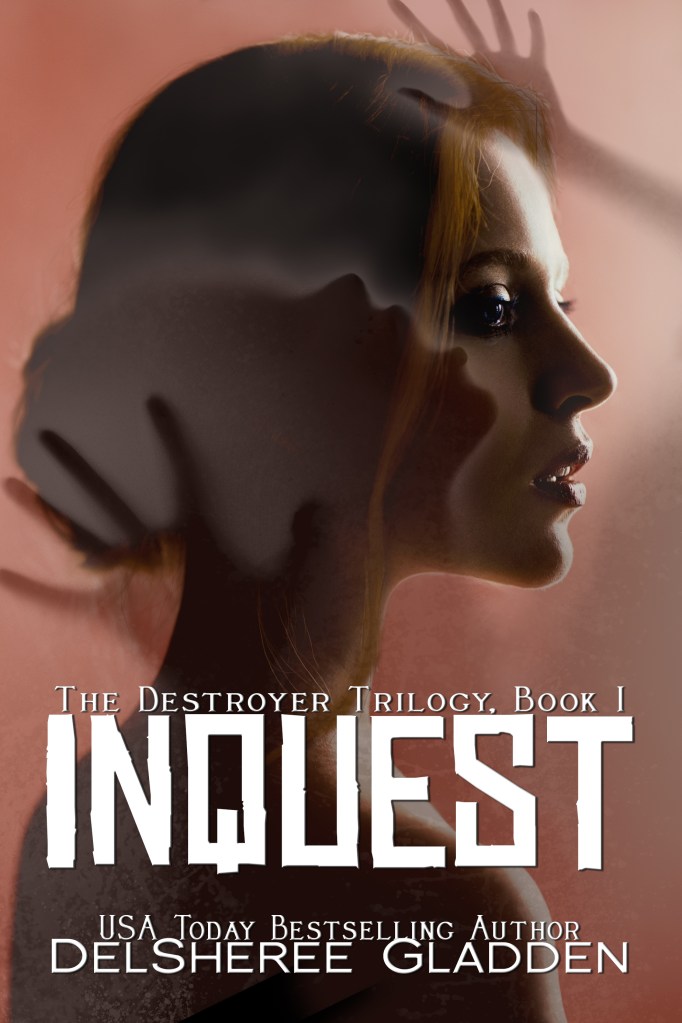
In my Destroyer Series, Libby Sparks knows her inquest will reveal secrets she been trying to keep hidden her entire life. In the chapter leading up to inquest, her thoughts are consumed with what will happen once she’d revealed, and whether she’ll survive the night.
Opposing goals that create tension: A single character may have opposing goals (high profile career and stable family life), or multiple characters may have opposing goals that interfere with the other person’s goals (both want the same partner or job). This doesn’t have to be just in the form of the protagonist/antagonist. Characters involved may go back and forth between the two roles.
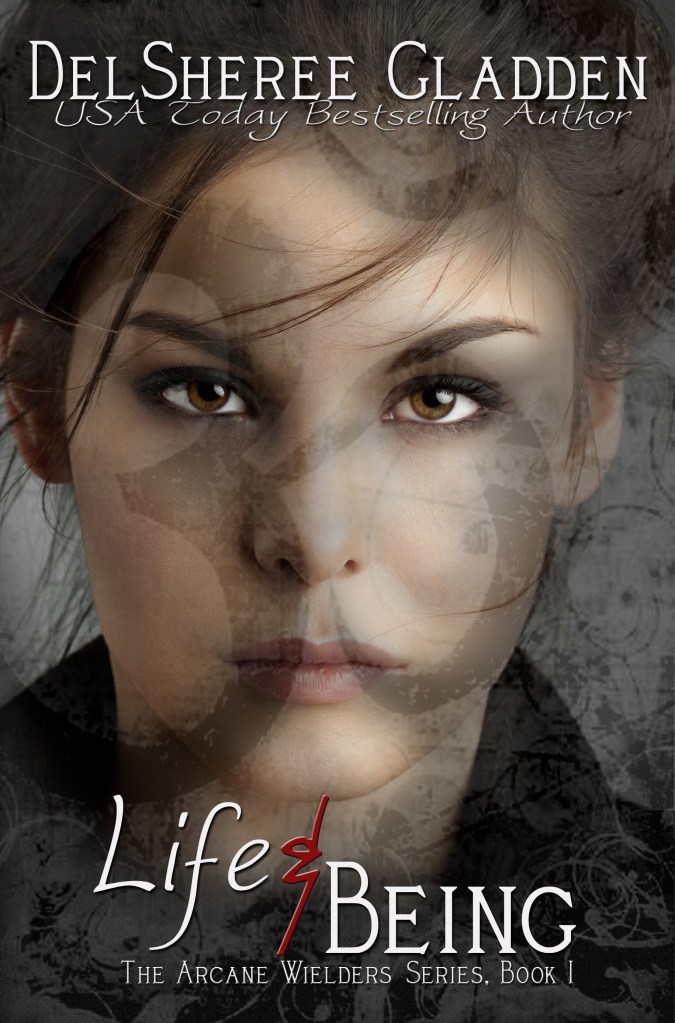
Sanford and Dahlia have opposing goals in the opening of Life & Being. Sanford is determined to reconnect with Dahlia and warn her of increased police activity on campus after witnessing a suspicious exchange between and another student. All Dahlia wants is to be left alone with her secrets until she can escape her father and his ever-tightening control. Their goals start to align once they both start to realize nothing either of them believed is actually true, but their early opposition creates a great deal of tension between them on all levels.
Raise the stakes: As soon as a character reaches a milestone, present a new complication to reaching the next one. There should, of course, be lulls between points of tension to give the reader a break, but the overall tension should continue to rise as the story progresses toward the climax. When outlining, be sure to pair every step toward development with a stumbling block.
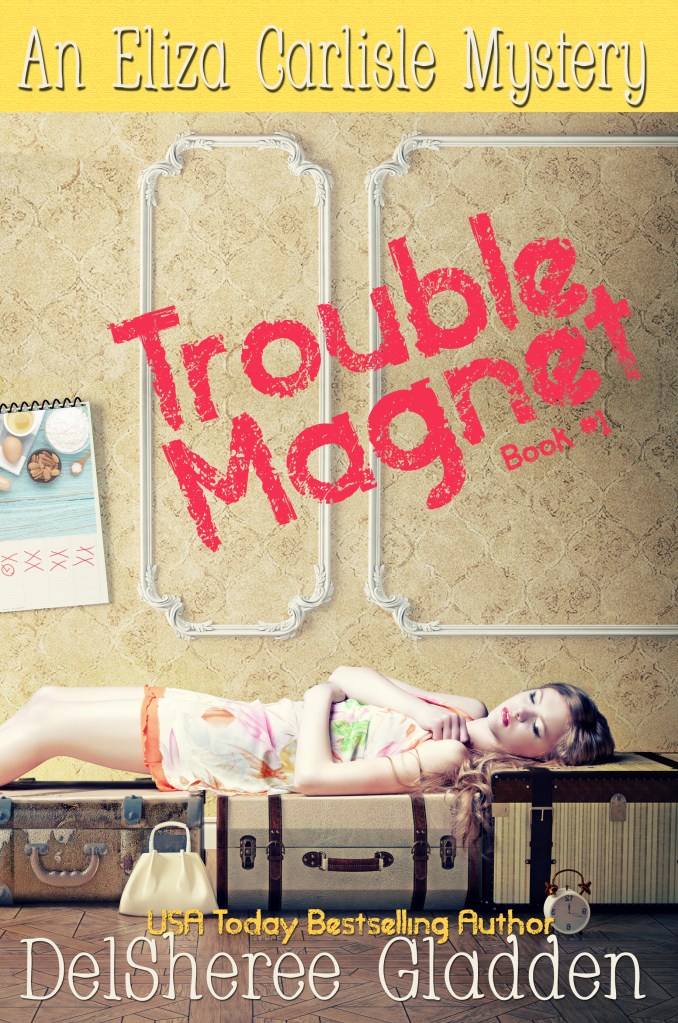
Eliza Carlisle can’t get a break from the stakes being raised in any the mysteries she’s involved with. After spending five years in hiding, she comes to New York to attend culinary school (a major milestone for her!) only to realize she’s moved into the most bizarre building in the city. Just as she makes peace with the fact that she can’t afford anything else, a neighbor turns up dead.
Question-related tension: Never make the path to success or the HEA so obvious that the reader never questions it. Problems and complications should push the reader to ask how the character will resolve or overcome a challenge. A unique story arc should always have the reader questioning how the characters will reach the end, even if they “know” it will end happily.
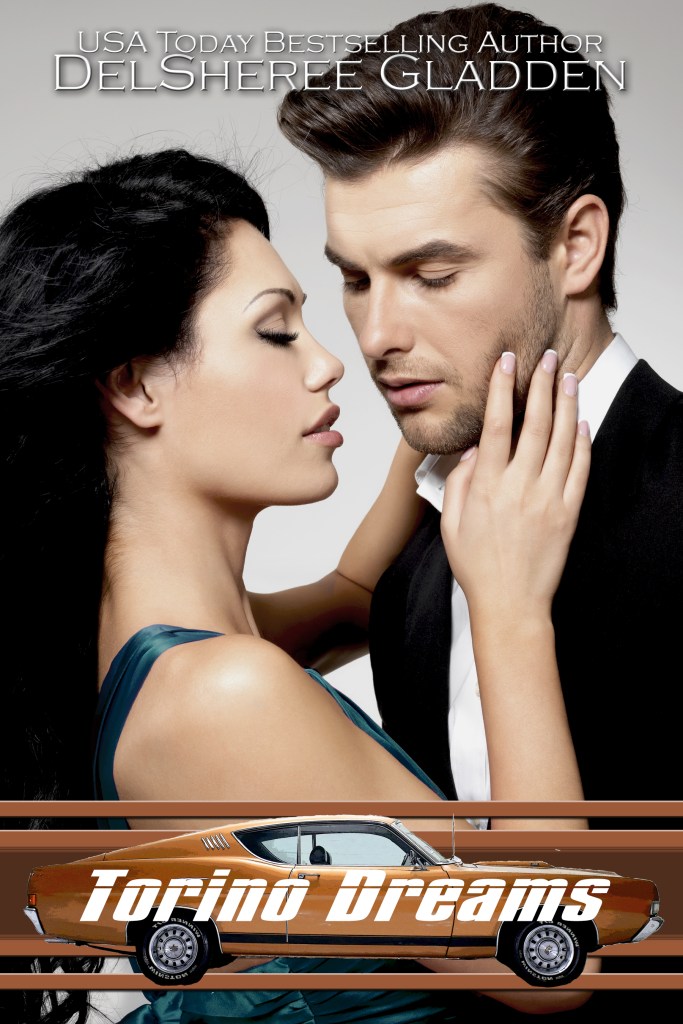
Everything Kate says or does creates questions for Sam in Torino Dreams. Her past is a mystery, as are her sudden disappearances. Even when she finally begins to open up to Sam, more questions arise about how she can possibly survive what’s coming after her and her adopted son.
Tension though internal/external conflict: Most stories need a balance of internal and external conflict. As a character overcomes an internal conflict (establishing self-confidence), present an external one (a parent is diagnosed with an illness). Allow flaws and weaknesses to complicate the character’s path of development by letting them make bad or hurtful choices. This forces them to reevaluate themselves and their goals or priorities. External conflict takes the story out of the character’s hands, briefly, and puts the focus back on the story arc.
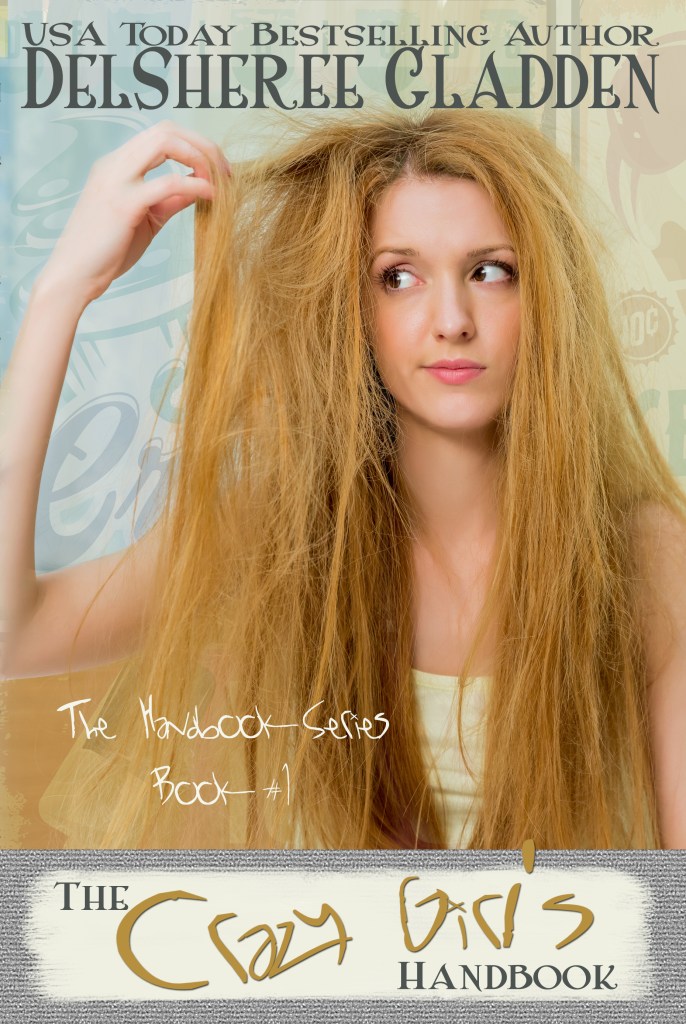
In The Crazy Girl’s Handbook, Greenly faces both types of conflict in order to keep the tension (and laughs) going. Argeeing to babysit her nephews puts her face-to-face with blind date she bailed on, thanks to her sister’s games. She not only has to battle her own self-perceptions and fears about relationships, the universe seems out to get her with one mishap after another, including Roman’s angry ex-wife.
Remove filler to improve tension: Evaluate scenes for their relevance and importance. Lulls in tension are important, because they give the reader time to process and think about the characters and story between points of tension, but if a scene is merely filler and accomplishes neither tension nor contemplation, it will only slow the tension to the point that readers might lose interest.
Withholding information to create tension: Only give the reader as much information as they need in a scene to understand it. Hold back enough to urge them to keep reading and get to the next scene. This is especially important with revealing backstory or mystery/suspense elements.
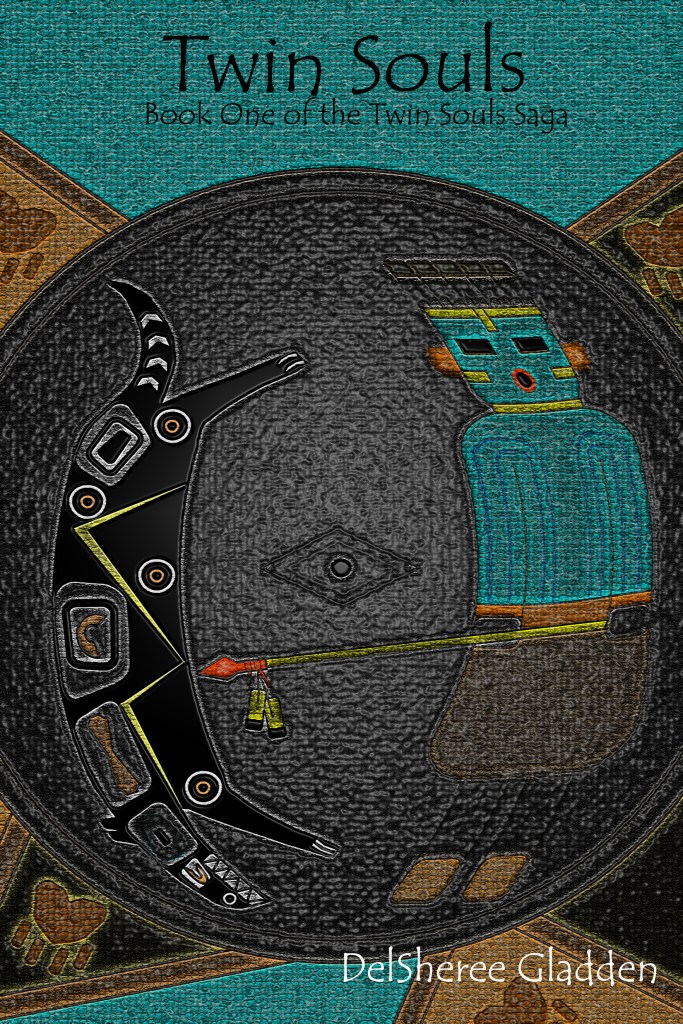
Uriah and Claire spend almost the entire Twin Souls series dealing with withheld information. Their tribe’s myths and legends are a part of their heritage, but they discover step-by-step that most of what they grew up believing are either lies or have been twisted to mislead. The reader leans bits and pieces along with them, unraveling the mystery of Claire and Uriah’s bond one page at a time.
Time-related tension: Putting a deadline on a goal creates an overarching tension. Don’t just set a deadline and forget about it, though. Find ways to remind the reader of the deadline AND what’s at risk if the deadline isn’t met.
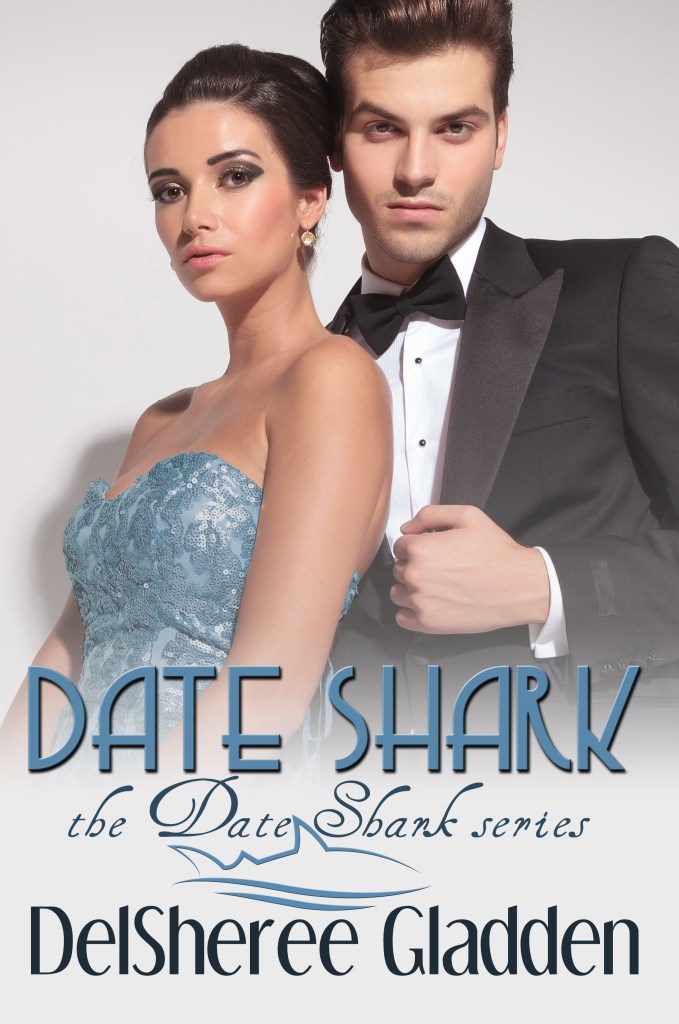
Date Shark Eli Walsh is put on a deadline when his friend Ana discovers he’s falling for the woman she asked him to help by acting as her dating coach. If he doesn’t fulfill his promise to Ana, she’ll end her friendship with him and make sure Leila cuts him off as well.
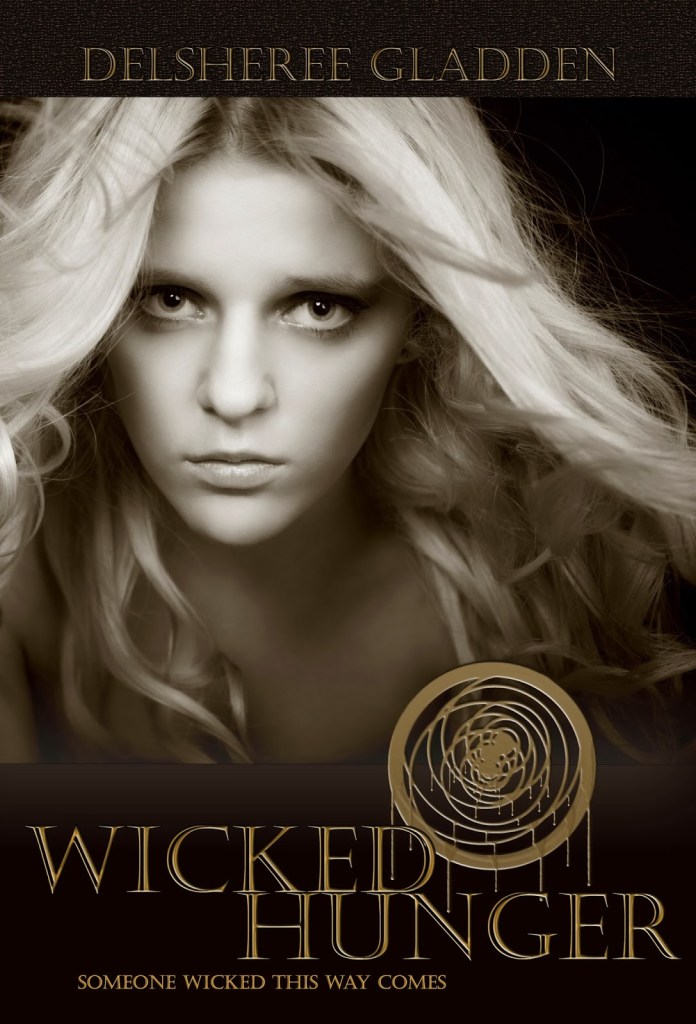
Wicked Hunger, book 1 of Someone Wicked Series
Use pacing to improve tension: Be aware of pacing when considering tension. A scene only needs to last as long as it takes to relay information and provide character/story development. Start and end with action in each scene and skip the day-to-day elements that don’t add anything. Also, match the scene length to the type of tension. High tension scenes tend to be shorter and more explosive, while scenes that reveal something slowly are usually longer and build progressively.
The Someone Wicked This Way Comes Series is filled with tense battles and moments of contemplation while Zander and Vanessa Roth struggle to control their frightening powers and learn the truth of where they came from. Where the battles are intense and concise, the moments where they’re investigating or exploring their love interests give the reader time to take in the information more slowly.
The purpose of dialogue is to advance the plot, communicate information, develop character voice, illuminate the theme, provide conflict, and/or change the direction of the plot.
Dialogue can be used in a variety of ways to accomplish these goals.
Be evasive
Direct Q&A between characters can get boring very quickly. Sidestep answers, be roundabout with explanations, create mystery, and make the reader question what’s being said. Dialogue is a great opportunity for teasing out information and leading the reader toward an idea without expressing it directly.
Use silence
When a character needs a moment to consider what they’ve been told, use exposition to allow for internal thought, emotion, or observation. This is a great opportunity to add sensory details and flesh out the scene. Study how people talk and use natural pauses as opportunities to expand on what’s being discussed.
Make it a confrontation
Confrontational dialogue exchanges can convey a great deal of information without being lengthy. These types of exchanges give hints and lead the reader toward ideas and conclusions rather than openly telling them. Take this excerpt as an example of confrontation in dialogue:
“I know who you are,” Charles said.
“You know nothing,” John said.
“You’re that doctor.”
“If you don’t mind, I—”
“From Hopkins. You killed that woman because you were soused. Yeah, that’s it.”
This example gives the reader information about John’s past and the fact that many people are aware of what he did. It also gives a glimpse into his personality and how he feels about the situation and being known mainly for his mistake. The reader gets a few specific details about the event, but not enough to know the whole story. This exchange builds conflict and reveals important information.
Polish later
Just like it’s often a challenge to come up with the right response on the spot when in a conversation, getting the responses right in dialogue can also take time. Don’t be afraid to write out the dialogue to get the basic structure down, but come back later to fine tune and tweak.
Studying dialogue from movies can also help writers improve their dialogue and use is more purposefully. Check out this fun link of great dialogue scenes from movies!
What is a scene from a book or movie that has stuck with you? Why did it connect with you? For writers, recognizing and evaluating these scenes is a great learning experience!
There are several important elements to crafting an impactful scene:
Purpose
Every scene should have a purpose (advance the plot, reveal something about the character, or provide information about the overall plot). The purpose should be able to be condensed into a one sentence summary. Scenes with no clear purpose are filler and should be cut or rewritten.
Point of View
A scene needs to be told from the most impactful point of view. Usually this is whoever is most impacted by the events of the scene. If emotion isn’t coming through in the scene, reevaluate whose POV it’s being told from. POV is often tied to the purpose of the scene: Who will learn the most? Who will change the most? Who will react more strongly? Who has the most to lose?
The High Moment
Scenes within a story should mimic the overall story structure: beginning, middle, climax, end. The high moment uses elevated emotion, action, or revelation to impact the character(s). The high moment should come at or near the end of the scene and it should be something that produces a reaction. The high moment reveals the purpose of the scene. The character should learn something, either about his or her self or the other characters, that affects their perception or choices.
Emphasizing Conflict
Every scene needs some form of conflict: inner, outer, or both. The conflict needs to have meaning, not be pointless arguing. Conflict should get progressively worse throughout the story, increasing the stakes. Keep this in mind while planning scenes and make sure there is an overall progression. Scenes with mostly inner conflict won’t be as explosive, but should increase the overall tension.
Showing Character Development and Change
Every scene should demonstrate some form of character change. The change may be subtle, but it needs to show development and growth of the character, or show backsliding behavior. Whatever happens in the scene should have an impact on the character, eliciting change on some level. Change should match the character and the event. One character may see an event as not a big deal, while the other sees it as a huge problem. They need to react and change according to their perceptions.
Staying on Point
Scenes should leave out all the boring and non-important details. Life may be filled with the mundane, but scenes should not be. If the info, actions, or dialogue doesn’t pertain to the purpose of the scene, cut it. Start in the middle of a scene, with action of some kind, and leave out the movements in and out of the scene. Only insert backstory when it doesn’t slow the present scene.
Strong Beginning and Endings
The beginning and ending should not only be strong, but should be related in some way. This may be theme, symbolism, situational, a specific action or piece of information, etc. Tie the beginning and the end together in a meaningful way that relates to the purpose of the scene.
Adding Details
Find the right balance of details to create a full scene without bogging it down. Descriptive details should be pertinent to the action, help create mood and tone, or accentuate the dialogue. Details should use all relevant senses to create a full picture of the setting, the characters, and the emotion. Details should reveal something. A clenched fist shows anger, fidgeting conveys unease, food and clothing choices set the stage and reveal preferences, etc.
An important aspect of building story readers can connect with is developing great chemistry between characters.
Chemistry is the emotional connection between characters, and it helps create a connection with the reader. It isn’t just about romances. All characters need to have some level of chemistry with the other characters in order to bring them to life.
Essential elements of creating chemistry include:
A strong first meeting
Bonding moments
Conflict and dislike
Common romance chemistry tropes include:
Opposites attract: provides instant conflict and a logical path of progression
Forbidden love: may be true or perceived barriers; creates tension, desire, and conflict
Love/Hate relationship: less realistic, but provides tension and a logical path to the climax; plays on the idea that love and hate are very similar emotions
Creating chemistry involves a balance between bonding and dislike
The balance between the two depends on the type of relationship (friends to lovers, enemies to lovers, star-crossed lovers, friends, family, estranged family or friends, etc.).
Bonding moments bring characters closer together and deepen their connection. Finding common interests, opportunities to help each other, moments of understanding, doing something unexpected for the other person, opening up about personal topics, etc.
Dislike is built with conflict (light and heavy). Competition, intellectual or moral disagreements, misunderstandings, lashing out, etc.
Bonding and dislike should escalate over the course of the story, with bonding generally having more progress (until the dark moment when dealing with main characters). Dislike will take over during crises, but a chance for bonding remains.
Creating realistic attraction develops more profound chemistry
This doesn’t mean no insta-love ever, especially if that’s going to be a source of conflict later when the character realize love at first sight doesn’t mean no problems, but the reason for their attraction should be believable.
Good looks aren’t enough. Being hot doesn’t prevent a person from being an asshole. Draw from personality, compatibility, intrigue, uniqueness…something that will last and create conflict later in the story.
Build realistic tension to increase chemistry
Tension can come in a variety of ways, including miscommunication, lies, secrets, arguments, moving too fast/slow, etc. The key is for these to be realistic and fit with the overall story. One rumor that’s never fact-checked or confronted and causes the MC to run away without looking back and fall into utter despair isn’t realistic and tends to frustrate readers. Especially if the MC is an otherwise strong and intelligent person.
If a point of tension can be fixed in less than a paragraph, it probably isn’t complex enough to be believable.
Create high stakes to build chemistry even higher
There should always be something that can completely ruin a relationship. This may be developed from page one or be a surprise two-thirds of the way through.
The risk that everything could fall apart, and both or one of the characters knows this, will affect everything they do and act as a constant reminder to the reader that they shouldn’t assume everything will turn out all right.
Movie vs. written chemistry
Working with video can have advantages over the written word, but sometimes the opposite is true. Consider how much more you can convey about a character’s internal thoughts and motivations through writing that is difficult to capture on film.
An important part of choosing the right narrative mode involves choosing what narrative voice to use.
Narrative modes are individual elements used to relay a story to the reader, and include:
Dialogue, action, description, exposition, thought and scene.
Dialogue is the talk that is exchanged between characters. It is spoken communication and is punctuated with quotations. It shows personality, reveals information, and gives the reader insight about the character’s thoughts, worldview, and self-perception.
Action is events portrayed as they happen in a story. Action takes time to develop and happens in a specific place. Action is not a “report” or something that happened. It should be described “blow by blow” and not as a summary.
Description is details about how something, some place, or some person looks behaves or functions. Description should have purpose. It should develop setting, characters, situation, and time period. Description should not be self-serving or irrelevant to the situation or story. It should help orient readers in the scene.
Exposition is the telling of the story through relaying information. It is used for explaining, transitions, and narrative summary to skip details of unimportant but necessary events. Too much exposition is referring to as “telling.” Not every part of the story should be told as exposition.
Thought is character self-talk or inner dialogue. It may be only thoughts, or actual talk (self encouragement or disparagement). In third person, thought is italicized to mark it as different from dialogue. First person wording (“I”) is also used in thoughts.
Scene sets the stage for a particular part of a story. It informs the reader of the situation the story section will take place in. Special attention should be paid to the open and close of each scenes so it does not begin or extend beyond what is relevant.
Narrative Voice
Narrative voice encapsulates the writer’s and narrator’s voice, viewpoint, style, tone, mood, and how a story is presented. Voice shows personality and changes depending on the character or situation. Nearly all elements of a story contribute to the voice of the story and needs to be consciously thought out to make sure it’s present in the best way for a particular story.
Elements of Narrative Voice
Attitude has to do with emotion, values, and beliefs, worldview, and feelings about a particular person or situation. It reveals how the narrator speaks, their body language, reactions, and actions.
Tone isn’t just what is said but how something is said. Speed of speech, loudness/quietness, word choice, emotion behind words, and physical actions accompanying words all affect tone.
Personal style includes vocabulary, sentence structure, grammar/technical aspects, and personal preferences. This can be developed for each character to highlight uniqueness.
Choosing narrative modes to develop a distinct narrative voice
Every story has a unique balance of narrative modes based on which create the most appropriate feel. Modes should be varied. Stories that rely to heavily on one or a select few become monotonous.
Vary modes used to open and close scenes
Break up big chunks of dialogue with action
Avoid long sections of thought
Space out action scenes to give readers a chance to reflect and anticipate what comes next
Keep description to what is relevant and helps develop the story, setting, or characters
How a story is told is just as important as the story being told.
What is the most unusual profession a character has had from a book you’ve read?
I asked this question to a group of writers I work with and got some interesting answers, from a magical beast researcher to professional occult consultant to uprooting human babies grown in soil.
It was the start of a discussion on how backstory influences a character and how a well-developed backstory makes a stronger and more interesting character.
There are several important areas of backstory to consider:
Convictions/Beliefs: political, social, economic views; theories on life; HOW did they acquire these?
Education: formal/non-formal, location, type of school
Family/Friends: be detailed, include those not active in story (may be later)
Geography: detail environment that helped shape character (climate, socio-economic, culture, history)
Key Past Events: events that shaped personality, fears, beliefs, etc.
Past Success/Failures: track record, worst memories, reasons behind fears, etc.
Phobias: reason behind avoidance or push to succeed, big or small
Profession: $$, love it/hate it?, biding time, stepping stone, dream job, etc.
Quirks: what makes them unique physically, psychologically, socially (Forest Gump, A Beautiful Mind)
Value System: define their version of right and wrong; what do they value in themselves/others, etc.
Talents/Skills: are they used/abandoned, many/few, etc.
Time Period: make it accurate, have a good reason for choosing it
Any backstory elements you choose to use should add something to the character and story. Superfluous details aren’t needed.
If you find you’re struggling with developing a strong backstory or aren’t sure how to incorporate the backstory elements you’ve chosen in a meaningful way, here’s a great exercise to help you delve a little deeper:
Pick ONE element of backstory to develop: Moved constantly due to financial instability, as adult hoards money, intends to live in same house forever
Choose THREE ways that element manifested in the PAST: Craves stability in every aspect of life, won’t change despite bad situation, has witnessed crimes in neighborhood
Choose THREE ways this manifests in the PRESENT: House needs constant repair, poor job leaves no money for repairs, hides from neighbors
One last bit of advice on backstory is to DO THE RESEARCH
Whatever professional or educational background you choose should be realistic.
It takes 20 years of service to retire from the military. There are no 25-year-old retired ex-Navy SEALs, and it’s highly unlikely that they’re billionaires from their service alone. Electing not to re-enlist isn’t the same as retiring.
Becoming a psychiatrist takes 12 years on average (and includes going to medical school), and it takes about 10 years to become a licensed clinical psychologist, and doctor patient relationships would ruin a career.
Of course, lines can be pushed and crossed in fiction at times, but it’s important to be as realistic as possible or readers won’t be able to suspend their belief enough to enjoy the story.
Setting is not just a location for characters to interact. It should be relevant to the story and/or scene.
Setting affects how a story progresses. Location can be a hindrance to or facilitate story progression. Consider how the chosen scene can be interacted with by the characters, how it might change actions or decisions, or how it affects the characters in the moment.
Setting affects a character’s worldview and mindset. When, where, and how we grow up shapes us. If a scene momentary, this may not apply, but a scene that is used multiple times or is a main feature of the story should have some kind of impact on how the character sees the world, themselves, and others as well as how they think and make decisions.
Setting establishes the atmosphere of scenes and affects reader perception of events. A guy on the street waving at a character standing in her bedroom will be perceived very differently depending on whether it’s a nice sunny day in summer or it’s a stormy, rainy night where no one should be out and about at midnight.
Setting affects characters’ choices and actions depending on how it impacts the scene or story
Setting can act as a character, either an antagonist or protagonist in some situations like survival stories or when the weather, climate, or location significantly impact how the story progresses and the character develops.
There are two main types of setting: backdrop and integral
Backdrop settings are not terribly important to the story most of the time. These are incidental settings chosen because a scene needs to take place somewhere rather than out in the ether. These types of scenes could take place anywhere without changing the dynamic or meaning, such as hallways, cafes, sidewalks, etc. These normally need minimal description or attention.
Integral settings are settings where time and place influence the theme, character, and action of a story in some way. The story and characters would be different if the setting were changed. For example, Animal Farm wouldn’t be the same if set in a shoe store. These settings need more in-depth description and development to integrate them into the story and character experience fully. These types of settings are usually recurring settings or settings used for important scenes in the story.
When choosing settings, consider their impact on the story and characters.