As writers, we all know how important worldbuilding is when writing fantasy, science fiction, or dystopian.
What about when you’re writing contemporary realistic fiction?
You may not need to create detailed maps or a new social structure when writing about the real world, but that doesn’t mean you’re off the hook when it comes to worldbuilding.
What aspects of worldbuilding apply to contemporary realistic fiction?
Creating your own town
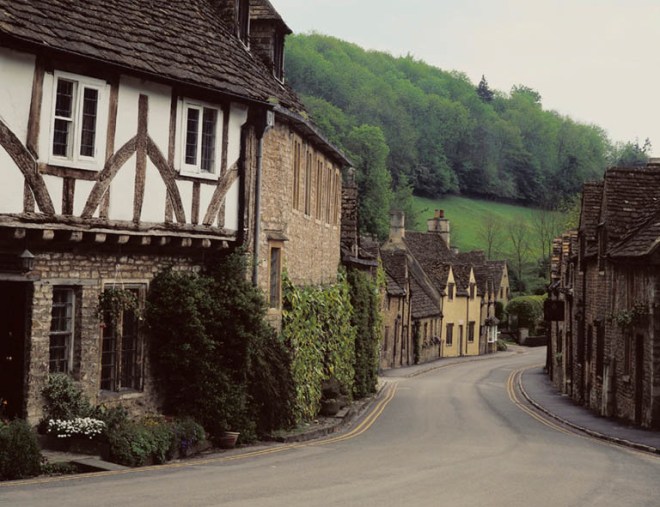 Creating a fictional town is definitely the most involved type of worldbuilding in contemporary realistic fiction. You’ll draw from real places with the goal of developing something new and interesting. A huge benefit of making up a location is that you aren’t bound by anything. Another benefit is that you won’t spend hours researching a real place and worry about whether you’ve portrayed it correctly. A fictional location allows you to build the exact setting you need to develop your plot and characters.
What should you consider when creating your own town or setting?
What type of location does the storyline call for? Is your character on his own in a big city for the first time? Is she pulled from city life to figure out small-town living? Does the story require seclusion or crowds? How plugged in is your main character? Are they a foodie who loves trying new eateries or someone who loves the familiar?
How do you develop realistic details?
 Start off based in reality. For those who’ve watched Twin Peaks and paid attention to the opening credits, the welcome sign claims the town has 51k people, yet everyone knows each other and there seems to be only one restaurant. Take the time to research town sizes and amenities in order to make sure everything lines up.
Check into weather and seasonal changes as well. Summer comes to Phoenix a lot quicker than Montana, BUT if you’ve been living with single digits for six months in Colorado Springs, 35 degrees feels pretty nice and you might see a few pairs of capris or flipflops.
Investigate the demographics, foods, culture, and dialect of your fictional town’s region or state. Just because your town is made up doesn’t mean you can go wild with random details. Ask people around the county how they refer to a carbonated beverage or what toppings they put on a pulled pork sandwich. If you spell chile (the vegetable) with an “I” in the Southwest, you’ll get more than a few eye rolls.
Building a neighborhood
 Whether you’re creating a fictional town or using a real town, you still need to develop the small-scale details of the neighborhood or apartment building your characters inhabit.
Who else lives here and how do they interact with the main character(s)? What is the overall feel of the area? This is a great place to start developing secondary characters and conflicts. Think about where the neighbors or residents tend to hang out or stop off for a quick conversation or gossip exchange. Is it in the laundry room or by the mailboxes? Does everyone walk to their destinations or is driving necessary? Does the MC want to stay or are they anxious to get out of dodge?
Consider the type of building or homes. Older homes have different problems then newer ones. What are the main issues and best aspects of the area and how do they impact the story? A dirty, trash-ridden street will create a different feeling than an old dirt road with cattle fence separating the properties.
Places to go and things to do
 Thinks Friends when you’re creating your characters’ daily habits and local haunts. Who’s apartment/house does everyone tend to hang out at and why? What features make it desirable? When they’re out and about, where do they often stop for coffee or to catch up, and how does that environment help the story? If characters need a quiet place to trade secrets or go over plans, a busy, noisy coffee shop might not work as well as a used bookstore.
Something to remember here is that locations should have a point and progress the story. Just because your characters likes kittens doesn’t mean readers need scenes of him or her at a local shelter if it in no way relates to the overall story. Every place or activity needs to be relevant or readers will start to think it’s filler and skim over it.
Work/office worldbuilding
 Similar to building a neighborhood, it’s important to develop the work or office life of a character. How much it needs to be developed depends on how important it is to the story. If a character has social anxiety, a busy and fast-paced office will provide conflict. If a teen character is itching for excitement but works at an outdated video rental store only a few old people visit every week, that also provides conflict. If work is only mentioned in passing to acknowledge that the character does indeed have a job, minimal development is needed beyond the fact that it eats up a large portion of their time and provides an income.
Other sources of conflict and potential to move a story forward include relationships with co-workers, possibility of moving on to something better, fear of being fired, how other people in the office view the MC, and on and on. Again, any detail you insert should have a point, even if it’s only providing a coworker for the MC to sound off to or bounce ideas off.
Relationship to the world at large
 A very important, overarching detail to develop is how your MC relates to the world. This is most often going to develop from backstory. Some writers develop the backstory first while others let it come to light as they write. The important thing about backstory is that it forms a starting point for your character and helps determine an end point.
How does your character see the world around them? What problems or benefits does this viewpoint create? How will they overcome related problems? How will they change by the end of the book?
A character living in an overpriced, cramped apartment in New York will view it differently depending on where he or she was before that. Someone escaping a small town they hated may see it much more positively than someone who has been cut off and forced to make their own way. The character’s view of their world will alter how they will describe a scene, interact with others, make choices, and move within that world.

Even if your characters are living in the same world we are, don’t skimp on developing a realistic and full setting. The more readers can recognize and relate to where your characters exist, the more they will connect to the overall story. We may all live in the same world, but we each experience it very differently, and so should your characters.











 Writers work in a variety of situations: work from home full time, work outside the home and work from home part home, work full time outside the home and fit in writing on lunch breaks and down time, and on and on. Achieving a work-life balance that works is often a challenge.



 I’ve been working for a ghostwriting company on the side, doing writer engagement and training, and recently we discussed genre conventions and what readers expect from particular genres. It was a good experience to research the genres we work with, and I wanted to share what I found.

 Create strong characters
 Develop intimacy
 Start with a formula that works
 Choose your words carefully

